






The Foundation of Your Rights
In India, passenger rights are formally protected by a set of rules from the Directorate General of Civil Aviation (DGCA), specifically the Civil Aviation Requirements (CAR), Section 3, Series M, Part IV. These regulations are translated into a more user-friendly
document called the Passenger Charter by the Ministry of Civil Aviation. This charter is not just a list of suggestions; it outlines the legal obligations of all airlines operating flights to, from, and within India, regardless of the airline's nationality. It covers everything from last-minute cancellations and long delays to being bumped from an overbooked flight, ensuring passengers receive specific forms of assistance and, in some cases, financial compensation.
When Your Flight is Cancelled
An airline's responsibility during a cancellation depends heavily on how much notice you receive. If the airline informs you of a cancellation less than two weeks but more than 24 hours before departure, it must offer you the choice of an alternative flight or a full refund. The rules become much stricter if the cancellation notice comes with less than 24 hours to go. In this scenario, you are entitled to financial compensation in addition to a full refund or a re-booked flight. This compensation can range from ₹5,000 to ₹10,000, depending on the flight's original block time. However, this financial compensation does not apply if the cancellation is due to "extraordinary circumstances" beyond the airline's control, such as severe weather or air traffic control restrictions. Even in these cases, the airline must still offer a refund or an alternate flight and provide care like meals and refreshments if you are left waiting at the airport.
Navigating Flight Delays
For flight delays, your entitlements are based on the length of the wait. If a delay is expected to last two hours or more, the airline is obligated to provide you with free meals and refreshments. Should the delay extend overnight (specifically for flights scheduled between 8 p.m. and 3 a.m. that are delayed by over six hours), the airline must provide you with free hotel accommodation and transportation to and from the airport. If a domestic flight is delayed by more than six hours, passengers are entitled to choose between a full refund or an alternative flight. It's important to note that while airlines are exempt from paying financial compensation for delays caused by extraordinary circumstances like weather, their 'duty of care'—providing meals and accommodation—remains mandatory.
Denied Boarding Due to Overbooking
Airlines in India are legally permitted to overbook flights. If an airline sells more tickets than available seats and you are involuntarily denied boarding despite having a confirmed ticket and checking in on time, you are entitled to significant compensation. Airlines must first ask for volunteers to give up their seats in exchange for benefits. If not enough volunteers come forward, passengers who are bumped are entitled to financial compensation. This can be up to 200% of your one-way base fare (capped at ₹10,000) if the airline arranges an alternate flight that departs within 24 hours of your original flight. If the alternate flight is more than 24 hours later, or if you decline the alternate flight, the compensation rises to 400% of the base fare plus fuel charges, capped at ₹20,000, in addition to a full refund of your ticket.
How to Claim Your Rights
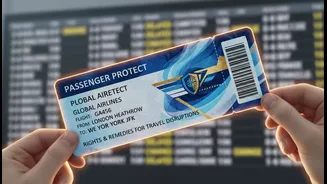
Knowing your rights is the first step; exercising them is the next. Your initial point of contact should always be the airline itself, either at their airport help desk or through their online customer service channels. Airlines are required to provide a written notice of your rights when a flight is cancelled or you are denied boarding. If the airline fails to provide the mandated assistance or compensation, you can escalate the issue. The Indian government has established a dedicated grievance platform called AirSewa (airsewa.gov.in), which is available as a website and a mobile app. This portal allows you to file complaints directly with DGCA nodal officers for resolution. Always keep your boarding pass, tickets, and any communication from the airline as evidence for your claim.