





The New Reality: Why Homes Feel Hotter
India is facing longer, more frequent, and more intense heatwaves, a trend that is turning homes into potential furnaces. This isn't just about outdoor temperatures. Poorly ventilated homes, especially those in dense urban clusters with concrete and asphalt,
suffer from the Urban Heat Island effect, trapping heat long after sunset. Materials like tin sheets and asbestos, often used in low-income housing, can make indoor spaces significantly hotter than the outside air. Millions live in homes without adequate cooling, facing a dangerous cycle of heat exposure day and night, which impacts health, sleep, and productivity. Even with fans, indoor temperatures can remain dangerously high. This escalating heat crisis is fundamentally tied to housing quality, making it a critical public health issue.
For Renters: Low-Cost Cooling and Negotiation
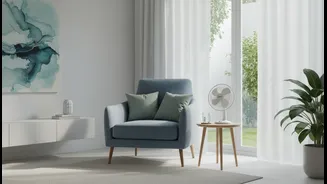
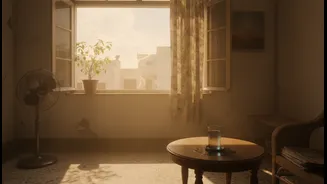
As a renter, you have less control over the building's structure, but you can still take steps to make your space more bearable. Start with simple, low-cost solutions. Using thick blackout curtains or reflective window films can significantly reduce the amount of solar heat entering your home. Improving airflow is also crucial; use fans to create cross-ventilation, especially during cooler night hours, a technique known as 'night flushing'. For those in dry climates, portable air coolers that use water evaporation can offer relief, and many are more energy-efficient than air conditioners. It is also worth discussing potential upgrades with your landlord. While not always possible, you can propose cost-sharing for solutions like solar-reflective blinds or improved ventilation, framing it as an investment in the property's long-term liveability.
For Homeowners: Future-Proofing Your Property
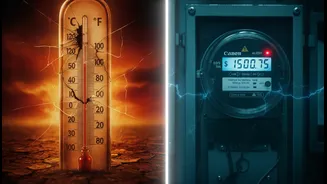
For homeowners, tackling extreme heat is about protecting both your family and your investment. One of the most effective long-term strategies is installing a 'cool roof'. This can be achieved by painting the roof with a solar-reflective paint or installing white tiles, which can reduce indoor temperatures by several degrees. Costs for a reflective paint coat can be around ₹40,000 for a 1500 sq ft roof. Other structural improvements include adding insulation to walls, installing double-paned windows, and planting trees or vines for natural shade. Landscaping with deciduous trees is particularly strategic, as they provide shade in the summer but allow sunlight in during winter. While these upgrades require an initial investment, they can lead to significant savings on electricity bills by reducing the need for air conditioning.
Protecting Heat-Stressed Families
Protecting vulnerable family members—especially children, the elderly, and those with pre-existing health conditions—is paramount. Recognize the early signs of heat-related illness: dizziness, headache, weakness, and excessive sweating. If symptoms appear, move the person to a cooler place, loosen their clothing, and have them sip cool water slowly. Simple, no-tech methods can provide immediate relief. Taking cool showers, placing a damp cloth on the neck or forehead, and staying well-hydrated are essential. Hydration isn't just about water; drinks like coconut water, buttermilk, or ORS can help replenish electrolytes lost through sweat. It’s also important to avoid strenuous activity and heavy, spicy foods during the hottest parts of the day, typically between noon and 4 PM.
The Bigger Picture: Policy and Community Action
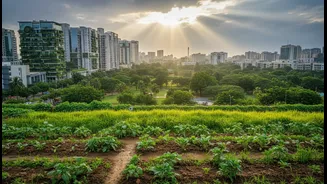
Individual efforts are crucial, but they are only part of the solution. Cities across India are beginning to respond with Heat Action Plans (HAPs), which include early warning systems, awareness campaigns, and urban cooling initiatives. Cities like Ahmedabad have pioneered these plans, successfully reducing heat-related deaths by focusing on community-level interventions. These include creating public cooling centers, ensuring water availability, and promoting cool roofs in vulnerable communities. As a resident, you can get involved by participating in community meetings and supporting Resident Welfare Associations (RWAs) that advocate for more green spaces, tree plantation drives, and the restoration of local water bodies, all of which help lower urban temperatures.