


The Foundation: Start with Smart Soil
A successful low-water garden begins beneath the surface. The goal is to create soil that acts like a sponge, absorbing water deeply and holding it for plant roots to access over time. The single most effective way to achieve this is by enriching your
soil with organic matter. Adding materials like compost or well-aged manure improves the soil's structure and porosity. This allows it to hold moisture without becoming waterlogged, which is crucial for healthy root development. For gardeners dealing with heavy clay or fast-draining sandy soils, this step is transformative. Healthy soil encourages plants to grow deep, resilient root systems, making them less dependent on frequent surface watering and more capable of withstanding dry spells.
Choose Your Plant Palette Wisely
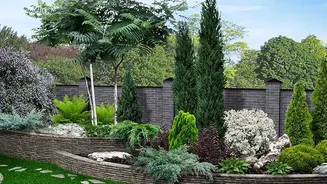
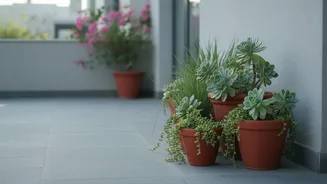
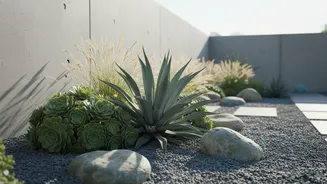
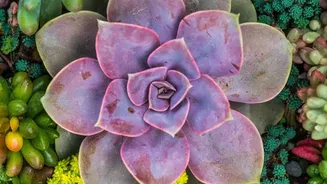
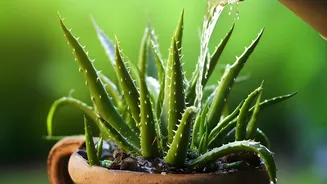
Plant selection is at the heart of water-wise gardening, a practice also known as xeriscaping. Instead of fighting the climate, choose plants that are naturally adapted to it. India is home to a vast array of beautiful and hardy species that thrive with minimal water. Flowering plants like Bougainvillea, Lantana, and Portulaca offer vibrant colour without demanding constant watering. Succulents such as Aloe Vera and Agave, along with tough ornamentals like the Snake Plant and ZZ Plant, are excellent choices for pots and dry garden patches. It's also smart to group plants with similar water needs together. This technique, called hydrozoning, allows you to water different sections of your garden more efficiently, giving thirsty plants what they need without overwatering their drought-tolerant neighbours.
Rethink the Traditional Lawn
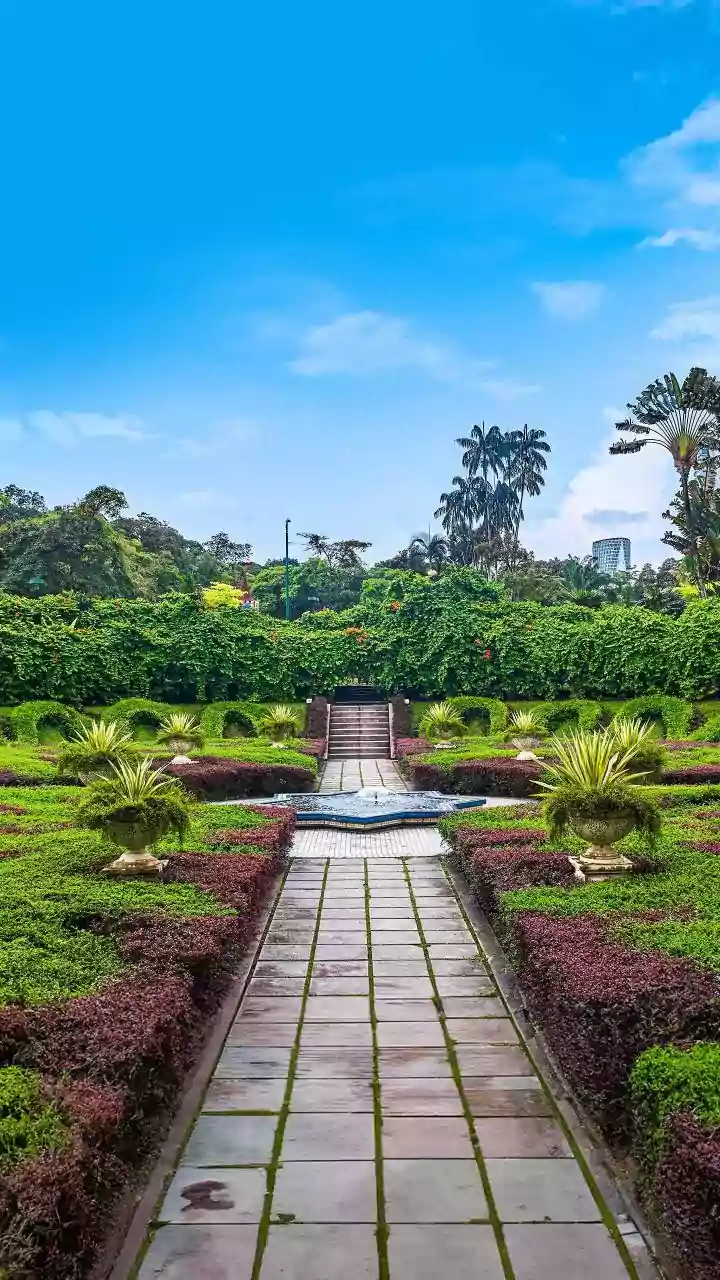
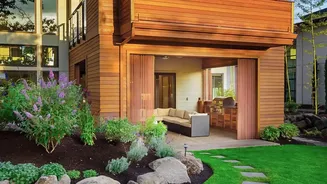
Lush green lawns are one of the biggest consumers of water in any garden. A key principle of low-water design is to reduce the amount of turf grass. This doesn't mean you have to eliminate it entirely, but consider shrinking its footprint. You can replace sections of your lawn with beautiful alternatives that require far less water and maintenance. Consider expanding flower beds with native plants, creating a patio with permeable pavers, or laying down attractive groundcovers. These alternatives not only save water but also add texture, colour, and interest to your garden design, breaking up the monotony of a single, uniform surface.
Embrace the Power of Mulch
Mulching is a simple step with major benefits for water conservation. Applying a layer of organic material like wood chips, straw, or dried leaves over the soil surface works wonders. This protective layer insulates the soil, keeping it cooler and significantly reducing moisture loss from evaporation under the hot sun. Mulch also suppresses the growth of weeds, which would otherwise compete with your plants for water and nutrients. As organic mulches decompose, they continue to enrich the soil, further improving its structure and fertility over time. It's a low-effort, high-impact technique that is essential for any water-wise garden.
Water Intelligently, Not Just Frequently
The final piece of the puzzle is to change how you water. Forget wasteful overhead sprinklers, which can lose a significant amount of water to evaporation and wind. The most efficient methods deliver water slowly and directly to the plant's root zone. Drip irrigation and soaker hoses are champions of efficiency, using up to 50% less water than conventional methods while promoting deeper root growth. If you are watering by hand, do so early in the morning to minimise evaporation. The key is to water deeply and infrequently, rather than giving plants a shallow drink every day. This encourages roots to search deeper for moisture, building stronger, more drought-resilient plants.