





A Monsoon on Shaky Ground
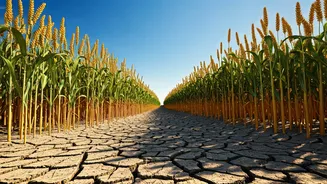
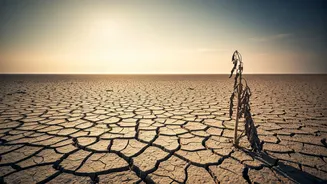
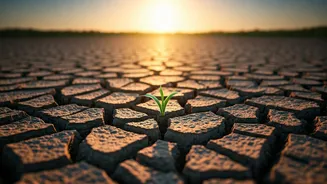
The year 2026 is shaping up to be a critical one for India's water security. The India Meteorological Department (IMD) has forecast a below-normal monsoon, weakened by a strong El Niño weather pattern. As of late June, monsoon rains have been significantly
below average, raising concerns over farming output and water availability across the country. This shortfall directly impacts the nearly half of Indian farmland that lacks irrigation and depends on the monsoon, which delivers about 70% of the nation's annual rainfall. Compounding the issue, water levels in many of India's key reservoirs are dipping, particularly in the southern and eastern regions. The combination of a sluggish monsoon and lower-than-normal water storage puts immense pressure on a system that supports the livelihoods of hundreds of millions.
The Thirst of Traditional Farming
For decades, Indian agriculture has relied heavily on water-intensive crops like rice and sugarcane. While central to the nation's food supply, they come at a high cost to its water resources. Producing a single kilogram of rice can require around 2,800 litres of water. This intensive cultivation, particularly in the Indo-Gangetic Plain, has led to alarming rates of groundwater depletion. With over 80% of extracted groundwater used for irrigation, the current agricultural model is becoming unsustainable, especially in a year with predicted water scarcity. The over-reliance on these thirsty crops creates a high-risk situation when rainfall is erratic, threatening not only crop yields but also the long-term viability of farming in many regions.
Enter Millets: The Climate-Smart Solution
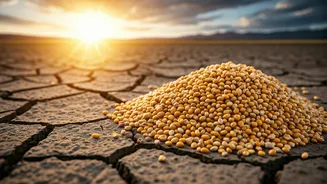
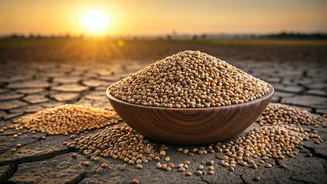
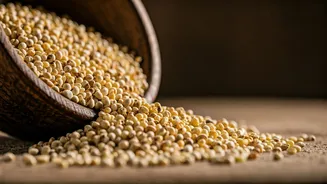
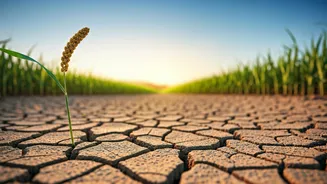
In the face of this challenge, water-saving crops, especially millets like bajra (pearl millet), jowar (sorghum), and ragi (finger millet), are emerging as agricultural heroes. These ancient grains are naturally resilient and perfectly suited to India's climate. Millets consume up to 70% less water than rice and can grow in half the time of wheat, making them an ideal choice for rain-fed and arid regions. Their deep root systems allow them to access moisture from deep within the soil, enabling them to withstand heat and drought conditions where other crops might fail. This resilience is why the government is now actively guiding farmers in vulnerable districts to shift towards these less water-intensive alternatives.
More Than Just a Drop in the Bucket
The benefits of embracing water-saving crops extend far beyond water conservation. For farmers, they offer a path to greater economic stability. By reducing the risk of crop failure during dry spells, these crops provide a more reliable source of income. Studies have shown that switching from rice and wheat to millets can significantly boost farmers' profits. For consumers, millets are a nutritional powerhouse, rich in protein, fibre, and essential minerals. At a national level, this agricultural shift enhances food security by diversifying the food basket and reducing the system's vulnerability to climate shocks. Government initiatives like the National Food Security Mission and various state-level millet missions are providing crucial support, from distributing free seeds to creating new markets for millet-based products.