






The Psychology of 'Painful' Payments
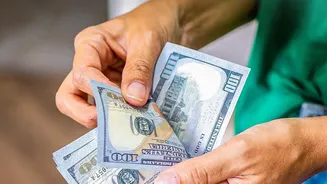
There's a well-known concept in behavioural economics called the “pain of paying”. This refers to the slight psychological discomfort we feel when we physically part with our money. When you hand over a crisp ₹100 note for a coffee and some snacks, you see
your wallet get thinner. That tangible loss makes the transaction feel real and significant. In contrast, scanning a QR code is abstract and frictionless. The money is just a number on a screen, and the action is so quick that our brains barely register the financial impact, making it easier to spend impulsively.
Cash as a Natural Budgeting Tool
One of the simplest and most effective features of cash is its finite nature. If you withdraw a set amount, say ₹1,000, for your week's small expenses like chai, auto rides, and street food, you have a hard limit. Once the cash is gone, it's gone. This forces you to be more conscious of your spending. You can physically see and feel your budget depleting, which is a powerful deterrent against minor, unplanned purchases. This method is a modern take on the classic 'envelope system', where money for different spending categories is kept in separate physical envelopes to prevent overspending.
Fighting Mindless Digital Taps
The speed of UPI is both a blessing and a curse. It’s so efficient that we often complete a transaction on autopilot. A ₹30 tap for a snack here, a ₹100 tap for a cab there—these micro-transactions add up. A study of Indian UPI users found that approximately 75% reported an increase in their spending after adopting the technology. Using cash for these small amounts reintroduces a moment of pause. Counting out coins or waiting for change forces you to be present in the transaction, however small, transforming a mindless tap into a conscious spending decision.
The Illusion of Infinite Funds
Digital wallets and bank apps, with their constantly displayed balances, can create an illusion of liquidity. Because the money isn't physically in your hand, it's easier to lose track of the cumulative effect of small expenditures. It's common to check your bank statement at the end of the week and be surprised by how many small UPI payments have added up to a significant sum. By quarantining your 'small-spend' budget into a physical cash format, you create a clear boundary. The money in your bank account remains protected from the steady drain of daily impulse buys, reserved instead for larger, planned expenses.
A Hybrid Approach: Not All or Nothing
Adopting this strategy doesn't mean abandoning UPI altogether. The goal isn't to go fully cash-only, which can be impractical in a digital-first economy. Instead, think of it as a hybrid model. Use UPI for its undeniable benefits: paying bills, making online purchases, and transferring money to friends. But for your daily discretionary spending—the categories where you tend to overspend without noticing—try using cash. Some users find success by creating a separate, zero-balance account just for UPI spends, transferring a fixed weekly amount to it as a digital 'envelope'. This strategy brings the discipline of cash to the convenience of digital.