
What Exactly is Slow Decorating?
Slow decorating is the intentional and mindful approach to creating a home. At its core, it is the antithesis of fast-paced consumerism and fleeting trends. Instead of rushing to fill a room with mass-produced items, this philosophy encourages you to curate
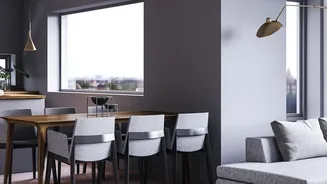
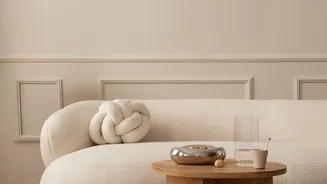
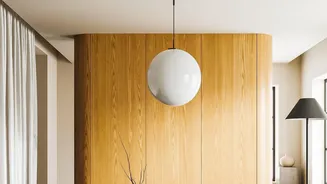
your space over time. Stemming from the 'slow living' movement, it prioritizes quality over quantity, personal meaning over passing fads, and sustainability over disposability. The goal is to build a home that tells your story and evolves with you, filled with pieces you genuinely love and that are built to last. It’s about creating a layered, personal space that reflects your life's journey, not a showroom catalogue.
From Impulse Buys to 'Forever' Pieces
For years, the culture of 'fast furniture' mirrored that of fast fashion: trendy, inexpensive, and ultimately, replaceable. Slow decorating challenges this by advocating for investment pieces. This means shifting focus from filling a space quickly to finding items with enduring quality and style. Think solid wood tables, artisan-made chairs, or a classic sofa that can anchor a room for a decade or more. This approach celebrates craftsmanship, natural materials like stone and woven fibres, and even the beauty of imperfection in handmade goods. By saving up for a piece you will cherish for years, you not only make a more sustainable choice but also avoid the cycle of buying, regretting, and replacing that often leads to clutter and wasted money.
The New Rules of Timing Your Purchase
Traditionally, 'timing' a furniture purchase meant waiting for big sales events. While that is still a smart final step, slow decorating introduces a new, more important element of timing: personal readiness. The best time to buy an expensive piece of furniture is not when it goes on sale, but when you truly understand your space and your needs. Before making a major purchase, live in the room. Notice where the sunlight lands in the morning. See which corner naturally becomes a reading nook or where your family actually gathers. This period of observation reveals functional needs that you would never discover on a single, frantic shopping trip. Rushing often leads to mistakes, like a sofa that's too big or a dining table that doesn't fit your daily life.
Embrace the Power of Patience
The slow decorating process encourages you to live with an empty or partially finished space for a while. This patience can be a powerful tool. It allows you to define your personal style, rather than being swayed by what's popular in stores or on social media at that moment. It's also incredibly budget-friendly, as it gives you time to save for the exact piece you want instead of settling for a cheaper placeholder or going into debt. This approach helps you make more confident decisions, avoiding buyer's remorse and creating a home that feels collected and authentic. The waiting period transforms decorating from a stressful race to a rewarding journey of discovery.
When Traditional Sales Cycles Still Help
Adopting a slow philosophy does not mean you should ignore a good deal. Once you have lived in your space, identified a true need, and decided on the perfect piece, then it is time to look at the calendar. The final step of your well-considered purchase can and should align with traditional sales periods to maximize your budget. Key times to find discounts on furniture often include January and February, as stores clear out old stock after the holidays. Major holiday weekends like Memorial Day, the Fourth of July, and Labor Day are also historically excellent times for furniture sales. Late summer, particularly August, is another window when retailers make way for new autumn collections. By pairing your intentional decision with strategic timing, you get the best of both worlds: a piece you love and a price you can feel good about.