

The Soul-Soothing Staple: Curd Rice
For many, especially in South India, a meal doesn't feel complete without ending on the cool, calming note of curd rice. Known as 'Thayir Sadam' in Tamil or 'Daddojanam' in Telugu, this dish is the epitome of simplicity and comfort. It's what you turn
to on a hot summer day, when you're feeling under the weather, or after a spicy meal to soothe your palate. The beauty of curd rice lies in its minimalist nature: soft-cooked, often mushy rice is gently mixed with fresh curd and a touch of salt. This combination is not just about taste; it’s a cultural touchstone, a fixture at everyday meals, festive occasions, and even offered as 'prasadam' in temples.
Beyond the Basics: Elevating Curd Rice
While a simple mix of rice and curd is satisfying on its own, the dish truly comes alive with a 'tadka' or tempering. A sizzle of hot oil or ghee infused with mustard seeds, urad dal, dried red chillies, grated ginger, and fragrant curry leaves adds a layer of complex flavour and texture that transforms the humble dish. Many households have their own unique variations. Some add a splash of milk for a creamier consistency and to prevent the curd from turning too sour. Others mix in finely chopped cucumber, grated carrots, or even sweet pomegranate arils and mango pieces for a pop of colour and freshness. Served with a side of pickle and a crispy papad, it becomes a complete, wholesome meal.
The Cooling Counterpart: Raitas
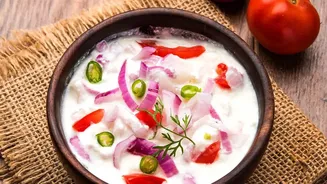
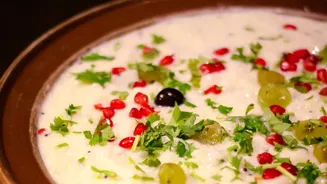
Moving beyond curd rice, the most common application of curd is in raitas. This versatile side dish is a staple across India, served to cool the palate and balance the heat of spicy main courses like biryanis and curries. Raita is essentially whisked curd mixed with a variety of raw or cooked vegetables, fruits, and spices. The possibilities are endless. Boondi raita, with tiny fried gram flour balls soaking in spiced yoghurt, is a perennial favourite. Cucumber raita is refreshingly crisp, while a mix of chopped onion and tomato provides a simple, tangy accompaniment to any meal.
The Tangy Curry: A Tour of Kadhi
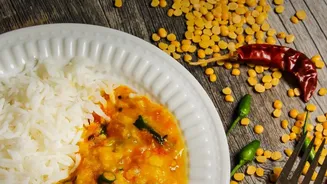
Kadhi is a beloved curry where curd is the star, thickened with gram flour (besan) and simmered into a tangy, comforting gravy. Nearly every region in India has its own version. Punjabi Kadhi Pakora is thick, sour, and robust, featuring deep-fried onion fritters (pakoras) that soak up the flavourful gravy. In contrast, Gujarati Kadhi is thinner, lighter, and has a unique sweet and sour taste from the addition of jaggery or sugar, often tempered with cinnamon and cloves. Rajasthani Kadhi is spicier and often made without pakoras, while Sindhi Kadhi is loaded with vegetables. Whatever the variation, kadhi chawal (kadhi with steamed rice) is a cherished comfort meal.
The Festive Snack: Dahi Vada and Dahi Bhalla
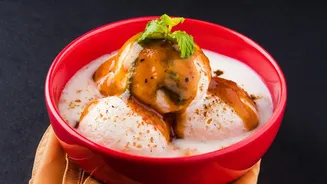
No celebration or festive spread feels complete without Dahi Vada (or Dahi Bhalla in the North). This dish consists of soft, fluffy lentil fritters made from ground urad dal. The fried vadas are first soaked in water to make them incredibly tender before being submerged in a pool of creamy, lightly sweetened and spiced whisked curd. The final dish is a work of art, drizzled with sweet tamarind chutney and spicy green chutney, and garnished with roasted cumin powder and red chilli powder. It’s a delightful explosion of sweet, sour, spicy, and tangy flavours in every bite.
The Ultimate Marinade
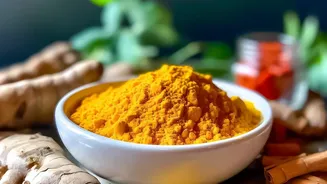
Curd is also the secret behind some of India's most famous grilled dishes, like Chicken Tikka and Tandoori Chicken. Its power lies in its natural acidity. The lactic acid in curd gently breaks down the proteins in meat and paneer, making them incredibly tender and juicy without turning them mushy. A thick curd marinade also helps spices like turmeric, garam masala, and chilli powder adhere to the surface, creating a flavourful crust when cooked at high heat in a tandoor or oven. This technique ensures the meat stays moist while developing that signature smoky char.