



The Grand Plan: Artemis Base Camp
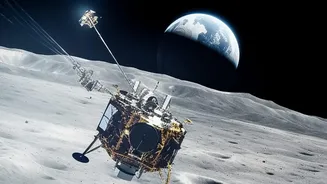
First, let's talk about the real estate. NASA isn't just planning to revisit the Moon; it's planning to stay. The agency's Artemis program aims to establish a long-term human outpost near the Moon's south pole, a region believed to hold vast deposits
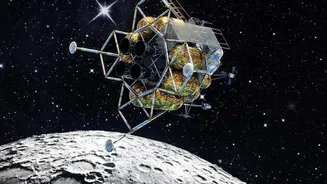
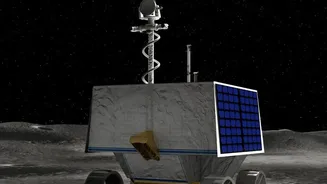
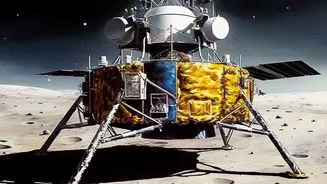
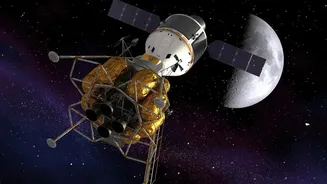
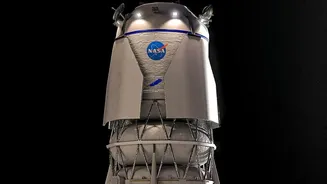
of water ice. Dubbed the 'Artemis Base Camp,' this ambitious project envisions a sprawling habitat where astronauts can live, work, and conduct science for extended periods. The plan, unfolding over the next decade, involves building out infrastructure like habitats, rovers, and power systems. It’s a monumental undertaking, one that NASA has made clear it can't—and doesn't want to—do alone. That's where international partners come in.
Why India? A Rising and Reliable Space Power
The invitation to the Indian Space Research Organisation (ISRO) isn't a random diplomatic gesture; it's a strategic move rooted in a proven track record. ISRO has rapidly become a global force in space exploration, earning a reputation for executing complex missions with remarkable cost-effectiveness. The world took notice in 2023 when India's Chandrayaan-3 mission successfully landed near the lunar south pole—the very region NASA is targeting—making it the first nation ever to do so. This achievement wasn't a one-off. From its Mars Orbiter Mission to its development of independent launch capabilities, ISRO has consistently demonstrated its engineering prowess. India cemented this partnership by signing the U.S.-led Artemis Accords in 2023, a set of principles for peaceful and transparent space exploration, signaling its readiness to join the collaborative framework.
What India Brings to the Lunar Table
India's potential contributions are both specific and substantial. Beyond its proven expertise in lunar landings, ISRO is known for its advanced robotics and frugal innovation—a major asset when building a multi-billion dollar base on another world. The collaboration isn't starting from scratch. NASA and ISRO have a history of successful teamwork, most notably on the NISAR satellite, a sophisticated Earth-observation mission launched in 2025 to monitor climate change and natural disasters. For the moon base, India could contribute everything from scientific instruments and robotic systems to communication and navigation technologies. Furthermore, with plans for its own human spaceflight program (Gaganyaan) and a lunar sample-return mission, ISRO's own ambitions align perfectly with the long-term goals of Artemis.
A Partnership of Mutual Benefit and Geopolitics
This alliance is a classic win-win. For NASA, partnering with India distributes the immense financial and technical burden of sustained lunar exploration. It accelerates the timeline and builds a broader, more resilient coalition. For India, participation provides access to NASA's deep-space experience and technology, fast-tracking its own programs, including its goal of landing an astronaut on the Moon by 2040. It also provides a prominent seat at the table as the rules for lunar exploration are written. There's also a geopolitical layer. As China pursues its own ambitious lunar plans with a different coalition of partners, the U.S.-India alliance serves as a strategic counterbalance, reinforcing a shared vision for open and cooperative activity in space.