




A New Vision for Urban Wildlife
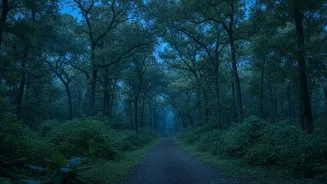
In a landmark move for Indian eco-tourism, the Uttar Pradesh government is developing the country's first-ever urban night safari in Lucknow's Kukrail Reserve Forest. This ambitious project, recently cleared by the Supreme Court after years of planning
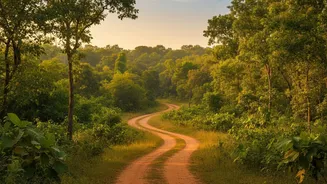
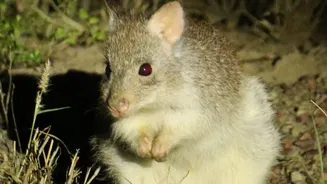
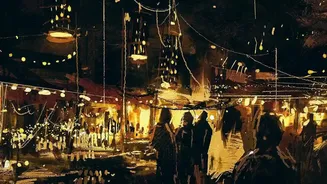
and scrutiny, aims to offer a unique window into the world of nocturnal animals. Spread across a significant portion of the sprawling 2,027-hectare reserve forest, the safari is inspired by the world-famous Singapore Night Safari. The core idea is to allow visitors to observe animals during their most active hours after sunset, an experience starkly different from traditional daytime zoos where many creatures are often resting. This initiative transforms a protected green space on the city's outskirts into an immersive wildlife destination.
What to Expect After Dark
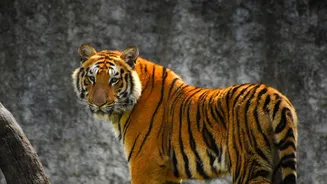
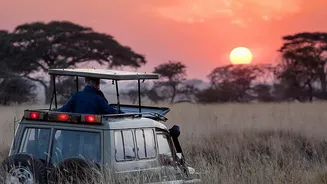
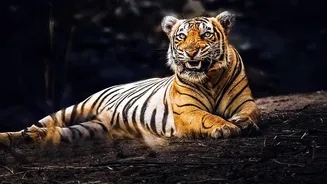
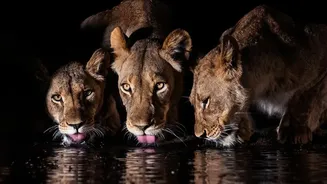
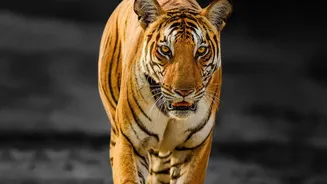
The experience is being designed to be both thrilling and minimally intrusive. Visitors will board specially designed electric trams for a roughly 40-minute journey through different themed zones. Using controlled, low-impact lighting that mimics moonlight, the safari will reveal the natural behaviours of its inhabitants. Animals will be housed in large, naturalistic enclosures, separated from visitors by moats or glass barriers rather than cages, creating an open-air feel. While the final list of species is still being confirmed, plans include showcasing magnificent creatures like Asiatic lions, Bengal tigers, leopards, and sloth bears. The project aims to house over 50 animal species in its initial phase, offering a completely new perspective on wildlife.
More Than Just a Safari
The Kukrail project is about more than just after-dark entertainment; it's an integrated approach to conservation and tourism. The area is already home to a renowned Gharial Rehabilitation Centre, which has been instrumental in conserving the critically endangered species since 1975. The broader plan includes a modern day-zoo for diurnal animals, nature trails, and visitor interpretation centres to promote environmental awareness. While an initial proposal to relocate the main Lucknow Zoo to Kukrail was rejected by a Supreme Court-appointed committee to protect the existing forest, the vision for a comprehensive wildlife hub remains. Strict conditions have been imposed to safeguard the area's ecology, including limiting the felling of trees and preventing a major road expansion through the forest.
A Game-Changer for Lucknow and India
The establishment of India's first urban night safari is a significant milestone. It marks a shift towards creating accessible wildlife experiences within city limits, potentially serving as a model for other urban centres across the country. For Lucknow, the project is expected to be a massive tourism driver, adding a modern attraction to its rich historical and cultural offerings. Officials anticipate that the safari will not only attract domestic and international tourists but also generate employment and boost the local economy. By placing a world-class wildlife attraction at the doorstep of a major city, the project makes nature more accessible to families, students, and enthusiasts who might not have the means to travel to remote national parks.