



Prioritise Ventilation
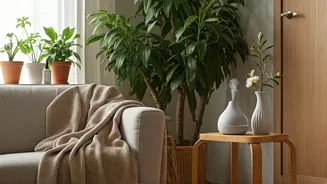
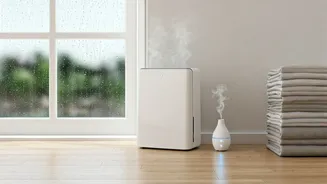
The number one enemy of a fresh-smelling home during the monsoon is stagnant, humid air. [2] Whenever the rain takes a break, throw open your windows and doors to allow for cross-ventilation. [5] This simple act helps to drive out trapped moisture, preventing
the stuffy conditions where mould and mildew thrive. [2, 5] Running exhaust fans in kitchens and bathrooms, especially after cooking or showering, is also crucial for pulling damp air out of the home. [3, 6]
Care for Your Wardrobe
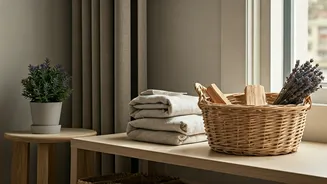
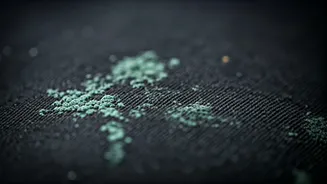
Cupboards are notorious for trapping moisture, leading to that dreaded musty smell on your clothes. To combat this, ensure your clothes are bone-dry before storing them; even slight dampness can cause mildew. [11, 12] Place moisture absorbers like silica gel packets, camphor balls (kapoor), or small cloth bags filled with rock salt inside your wardrobes. [4, 9, 17] Dried neem leaves also work as a natural anti-fungal agent and insect repellent. [4] For an extra layer of freshness, you can line shelves with newspaper, which absorbs moisture and can be replaced regularly. [4]
Use Natural Deodorisers
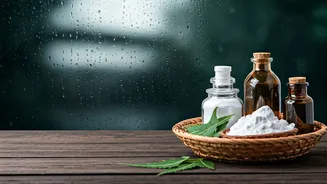
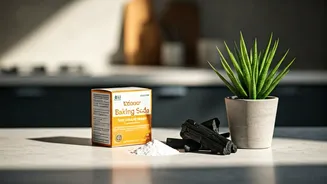
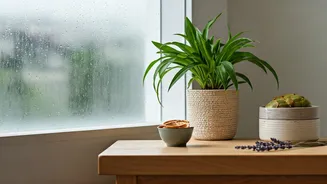
Instead of masking odours with artificial fresheners, use natural ingredients to absorb them. Placing bowls of baking soda or coffee grounds in musty corners, refrigerators, or shoe racks can effectively neutralise bad smells. [3, 10] White vinegar is another powerful deodoriser; a small bowl left in a room can help absorb musty scents from the air. [2] For a pleasant aroma, you can create a simmer pot by boiling a pot of water with citrus peels, cinnamon sticks, and cloves, letting the fragrant steam permeate your home. [3, 19]
Manage Carpets and Upholstery
Rugs, carpets, and upholstered furniture are like sponges for moisture and odours during the monsoon. [6] If possible, it's a good idea to roll up and store heavy carpets for the season. [5] For those you keep, regular vacuuming is essential. [6] You can also sprinkle baking soda over carpets and upholstery, let it sit for about 30 minutes to absorb odours, and then vacuum it up thoroughly. [2, 7]
Don't Forget Floors and Walls
Floors can become breeding grounds for germs due to constant dampness. Mop your floors daily, and consider using a disinfectant floor cleaner. [6] Wiping down walls and corners with a mild disinfectant, especially in moisture-prone areas like the bathroom, can prevent the growth of fungus and mould. [3] A homemade solution of white vinegar and water can also be effective for cleaning mould-prone surfaces. [10, 12]
Handle Wet Items Smartly
Wet umbrellas, raincoats, and shoes are major culprits for bringing dampness and bad smells indoors. Designate a specific spot near the entrance for these items, preferably on a waterproof mat. [9] Make sure to wipe down wet shoes and stuff them with newspaper to absorb internal moisture, which helps them dry faster and prevents fungal growth. [17] Avoid drying clothes indoors if possible, as this releases a huge amount of moisture into the air. [2] If you must, use a well-ventilated area and a fan to speed up the process. [11, 17]
Introduce Pleasant Scents Naturally
Once you've eliminated the sources of bad smells, you can introduce pleasant fragrances. Essential oil diffusers are a great option; oils like eucalyptus, lavender, lemongrass, or tea tree have natural antibacterial properties and help freshen the air. [7, 16] Burning traditional incense (agarbatti) or camphor can also create a fragrant and purifying atmosphere. [3, 18] Placing bowls of potpourri or dried flowers sprinkled with essential oils around the house provides a gentle, continuous scent. [16, 19]