
The Never-Ending Scroll
Not long ago, the fashion cycle had a predictable rhythm. But social media platforms like TikTok and Instagram have shattered that structure. We now live in an era of microtrends: hyper-specific, fleeting aesthetics that go from niche to ubiquitous and back
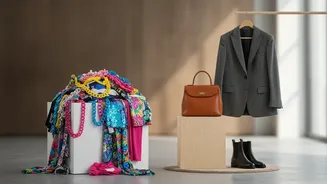
to irrelevant in a matter of weeks, sometimes even days. This accelerated cycle is fueled by algorithms that reward novelty, creating a constant pressure to keep up with what's new. The result is a paradox where everything seems to be trending at once, yet nothing feels truly special or lasting. This constant churn leads to a sense of exhaustion and confusion, a phenomenon now widely known as trend fatigue.
From Fast Fashion to Burnout
The rise of microtrends is inseparable from the dominance of fast fashion. Brands that release new collections weekly create a system where consumers feel pushed to constantly buy to stay current. This creates a wardrobe that can feel chaotic and unsatisfying. The psychological weight of this cycle is significant. It fosters decision fatigue, financial stress from trying to keep up, and a growing sense of guilt over the environmental impact of disposable clothing. Consumers, particularly from Gen Z, are caught in a conflict: they desire self-expression and are drawn to viral fads, but they also crave authenticity and sustainability. The result is burnout—a feeling of being overwhelmed by the demand to participate in a fashion system that feels both relentless and wasteful.
The Rise of Personal Style
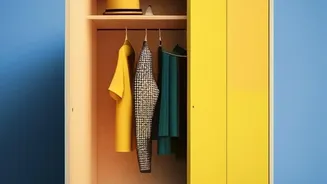
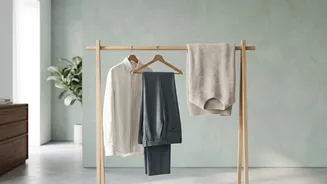
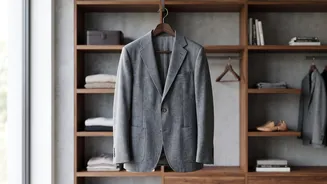
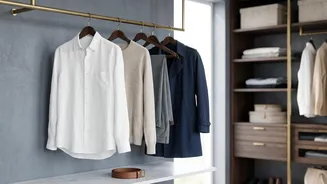
In response to this fatigue, a significant shift is underway. Instead of chasing the next fleeting trend, more people are focusing on cultivating personal style. This is a move away from reactive dressing—buying something because it's popular—and towards a more reflective and intentional approach. The new goal isn't to have what everyone else has, but to wear what feels authentic to your own life, preferences, and values. This change is visible in shopping habits. There's a growing preference for investing in timeless, high-quality staples that can be worn for years, forming the foundation of a durable wardrobe that operates independently of the trend cycle. It's less about being 'in fashion' and more about being yourself.
The De-Influencing Counter-Movement
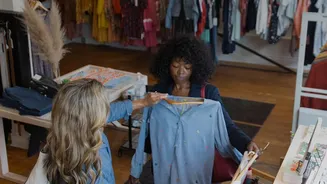
A clear sign of this change is the rise of the "de-influencing" movement. On the same platforms that fuel microtrends, a new wave of creators is actively encouraging followers to think critically before they buy. De-influencers discourage unnecessary purchases, critique overhyped products, and promote more mindful consumption. They might suggest shopping your own closet, explain why a viral product isn't worth the money, or advocate for buying secondhand. This movement provides a powerful counterbalance to the hyper-consumerism of traditional influencer marketing, giving consumers permission to opt out of the trend treadmill and focus on what they genuinely need and love.
Choosing Longevity Over Likes
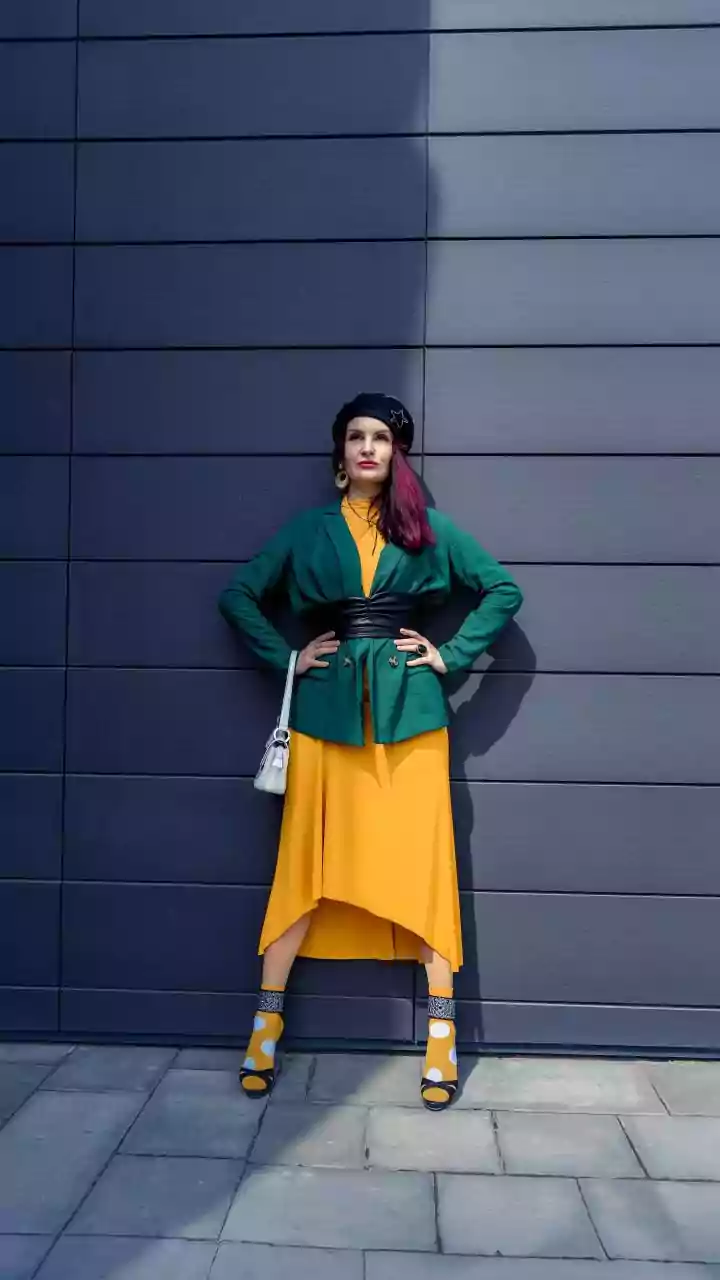
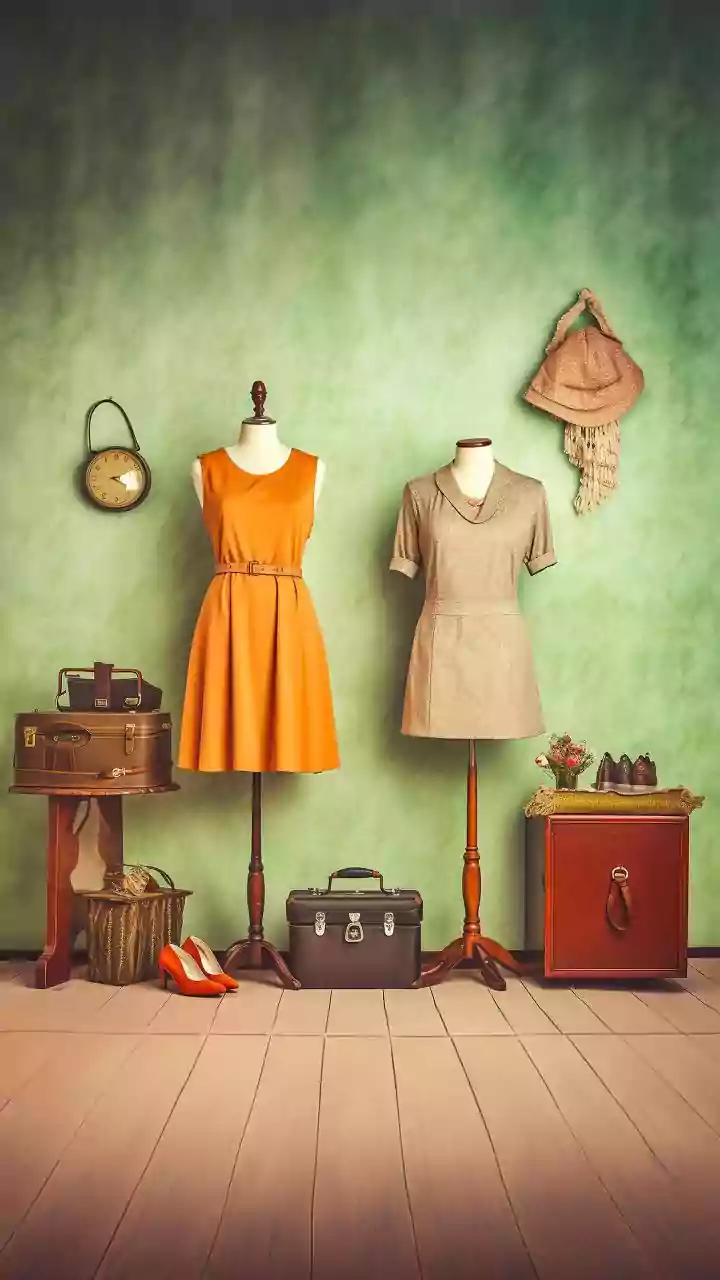
Ultimately, microtrend fatigue is pushing consumers to redefine their relationship with fashion. The endless chase for novelty is being replaced by a search for longevity, quality, and personal meaning. People are discovering the joy in repeating outfits and finding unique pieces in thrift stores that no one else has. This shift is not about rejecting fashion entirely. Instead, it's about reclaiming it as a tool for genuine self-expression rather than social assimilation. By stepping back, people are finding that true style isn't about wearing what's popular for a week, but about building a wardrobe that reflects who you are over time. Confidence is becoming the new currency, not trendiness.