


The Sweet Shift Away From Sugar
For years, refined white sugar has been the undisputed king of the baking world. However, a growing awareness of its health implications and highly processed nature has led many to seek out better alternatives. This collective move towards mindful eating
has home bakers looking back to their roots, where traditional ingredients offer both nutrition and nostalgia. Enter jaggery, or 'gur', the unrefined sweetener that has been a staple in Indian households for centuries. Once primarily used in classic sweets and desserts, jaggery is now finding its way into modern baked goods like cakes, cookies, and muffins, driven by a desire for less processed, more 'natural' ingredients.
What Exactly Is Jaggery?
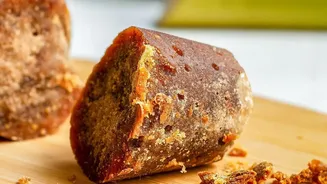
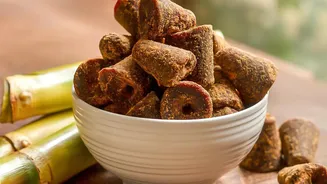
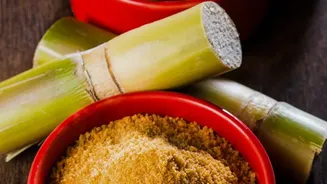
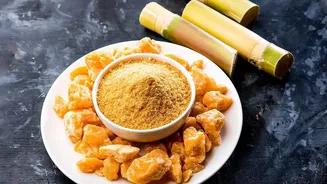
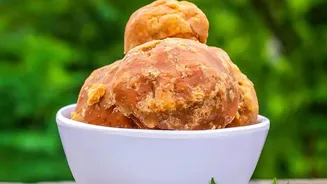
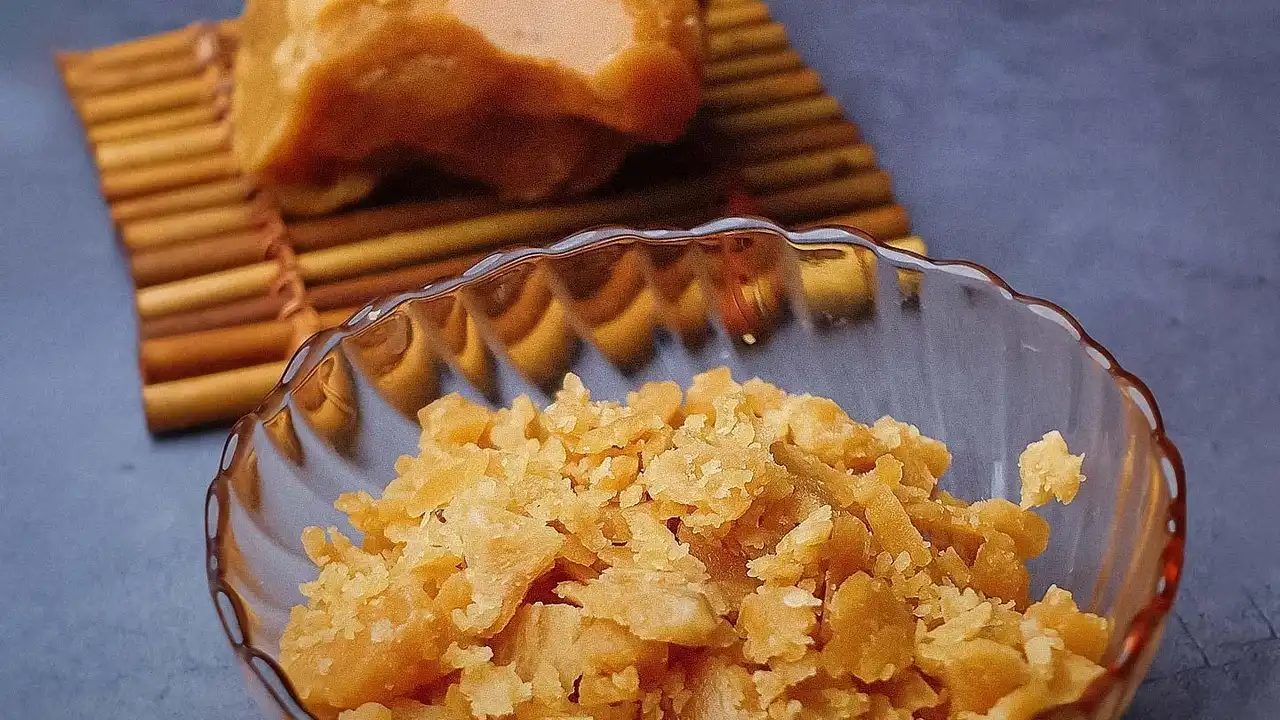
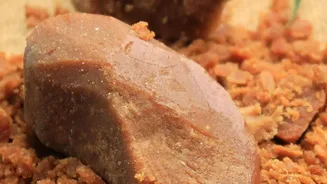
Jaggery is a natural, unrefined sweetener made by concentrating sugarcane juice. Unlike white sugar, which undergoes intense chemical processing that strips it of all nutrients, jaggery production is much simpler. The sugarcane juice is boiled for hours until it thickens into a dense paste, which is then cooled and solidified into blocks or sold as a granular powder. The term 'organic' jaggery typically refers to a process where no chemical agents are used for clarification. Instead, natural clarifiers like lady's finger (bhindi) extracts may be used to clean the boiling juice. This minimal processing allows jaggery to retain many of the minerals and vitamins found in sugarcane juice.
A Healthier Sweetener, In Moderation
While it's important to remember that jaggery is still a form of sugar, it holds a nutritional edge over its refined counterpart. White sugar provides empty calories, whereas jaggery contains trace amounts of essential minerals like iron, potassium, magnesium, and calcium. Some studies and traditional beliefs also associate it with benefits like improved digestion and immunity. However, the calorie count for jaggery and white sugar is nearly identical, at around 380 calories per 100 grams. The key difference lies in its composition; as a more complex carbohydrate, jaggery releases energy more slowly than the instant rush provided by white sugar. Therefore, while it is a better choice, it should still be consumed in moderation.
The Home Baker's New Best Friend
Bakers are embracing jaggery not just for its health halo, but for its unique culinary properties. It imparts a rich, caramel-like flavour with earthy, molasses notes that white sugar simply cannot match. This depth of flavour can elevate a simple banana bread or a batch of oatmeal cookies. Furthermore, jaggery is a natural humectant, meaning it attracts and retains moisture. This results in baked goods that are noticeably softer, moister, and have a chewier texture compared to those made with white sugar. Its caramelizing properties also give bakes a beautiful golden-brown crust.
Tips for Baking with Jaggery
If you're ready to try baking with jaggery, it's best to start with jaggery powder, which is easier to measure and incorporate than solid blocks. For many recipes like cookies and cakes, you can start by substituting sugar with jaggery powder in a 1:1 ratio. However, since jaggery can be slightly less sweet and adds more moisture, some recipes might need minor adjustments. You may need to use slightly more jaggery (around 1.25 cups for every cup of sugar) or slightly reduce the liquid ingredients in your recipe by a tablespoon or two to achieve the perfect texture. It excels in recipes for tea cakes, muffins, shortbread, and spiced cookies, where its warm flavour profile can truly shine.