





The Core Philosophy: Layering Is Key
The most effective strategy for handling multiple climates is the art of layering. Instead of packing bulky, single-purpose items like a heavy winter coat, think in terms of a three-part system that you can adapt on the fly. This system consists of a base
layer, a mid-layer, and an outer shell. The base layer, worn against your skin, should wick away moisture to keep you dry. The mid-layer provides insulation to retain body heat. The outer shell protects you from wind and rain. For a humid coastal day, you might only wear the base layer. As you ascend into cooler mountain air, you can add the mid-layer for warmth and top it with the shell if it becomes windy or rainy. This approach gives you maximum versatility with a minimum number of garments.
Fabric Selection: Your Most Important Decision
The materials your clothes are made from will make or break your comfort. For multi-climate travel, some fabrics are clear winners. Merino wool is a superstar; it's lightweight, regulates temperature in both hot and cold conditions, and naturally resists odour, meaning you can wear it multiple times without washing. Synthetics like polyester and nylon are also excellent choices, particularly for base layers and activewear, because they are durable and dry very quickly. On the other hand, it's often best to avoid 100% cotton, especially for anything beyond casual wear in a dry climate. Cotton absorbs moisture and takes a long time to dry, which can leave you feeling damp in humid weather and chilled in the cold.
Build a Capsule Wardrobe
To ensure every item in your bag works hard, create a small, curated collection of clothes where everything can be mixed and matched. This is known as a capsule wardrobe. Start by choosing a simple and cohesive color palette, such as neutrals like black, grey, and tan, with one or two complementary accent colors. This ensures any top can be worn with any bottom, maximizing your outfit combinations. For a two-week trip, this might look like two pairs of versatile trousers or skirts, a handful of complementary tops, one or two mid-layer pieces like a fleece or zip-up, and your outer shell. The goal is to choose items you love to wear and that can serve multiple purposes, like a pair of smart trousers that work for a city tour and a casual dinner.
Footwear: The Three-Pair Rule
Shoes are often the bulkiest items in a suitcase, so it's crucial to choose them wisely. For most multi-climate trips, you can get by with just three pairs. First, a comfortable pair of waterproof walking or hiking shoes that can handle trails and long days on your feet. Second, a versatile and lightweight pair of casual shoes or sneakers for city exploration and evenings out. Third, a pair of sandals or flip-flops that are perfect for the beach, hot weather, or just wearing around your hotel. Always wear your heaviest, bulkiest pair of shoes on the plane to save precious space and weight in your luggage.
The Unsung Heroes: Versatile Accessories
Never underestimate the power of accessories to transform your comfort and your outfits. A large scarf or pashmina is incredibly versatile; it can provide warmth on a chilly plane, act as a shoulder covering in the sun, or add a touch of style to a simple outfit. A buff or multi-functional headwear can serve as a headband, neck gaiter, or beanie. A good beanie is also a must for cold destinations, as you lose a significant amount of body heat through your head. These small, lightweight items can dramatically extend the range and comfort of your core wardrobe without taking up much space.
Master Your Luggage with Smart Tools
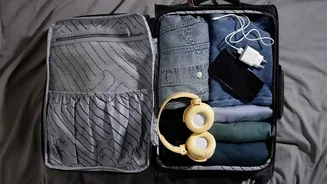
How you pack is just as important as what you pack. Packing cubes are a game-changer for multi-climate trips. Use them to compartmentalize your clothing by weather type (warm vs. cold) or by clothing type (tops, bottoms, underwear). This not only keeps your suitcase organized but also provides compression, allowing you to fit more into a smaller space. Rolling your clothes instead of folding them is another popular technique to maximize space and minimize wrinkles. For your bulkiest insulating layer, like a down or synthetic puffy jacket, consider using a compression sack to shrink it down to a fraction of its size.