

What Exactly Is a Glacial Flood?
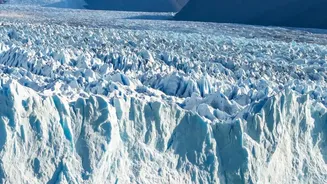
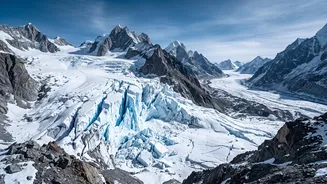
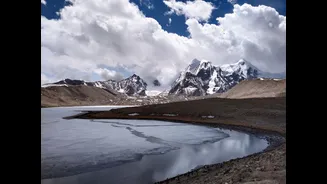
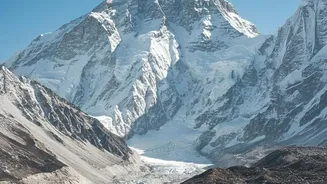
A Glacial Lake Outburst Flood, or GLOF, is the sudden and catastrophic failure of a dam containing a glacial lake. These are not ordinary floods. As glaciers melt and retreat due to rising temperatures, they leave behind vast amounts of water, which collect
to form lakes. These lakes are often precariously held in place by natural dams made of loose rock, soil, and ice, known as moraines. When this unstable barrier gives way, it unleashes a torrent of water, ice, and debris downstream with immense destructive force, capable of travelling over 100 kilometres.
The Science Behind the Sudden Surge
Several triggers can cause a moraine dam to fail. A large chunk of ice breaking off the parent glacier and falling into the lake can create a massive displacement wave, causing the lake to overtop its dam. Similarly, a landslide or rockfall into the water can have the same effect. Other triggers include heavy rainfall that rapidly raises the lake level, an earthquake that destabilises the dam, or even water seeping through the loose material of the moraine, gradually weakening it from within. Once a breach occurs, it can trigger a devastating feedback loop: the escaping water erodes the channel, which allows even more water to escape, rapidly draining the lake.
A Force That Reshapes the Earth
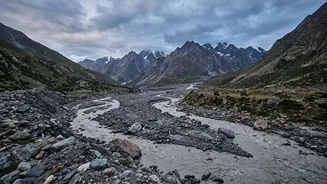
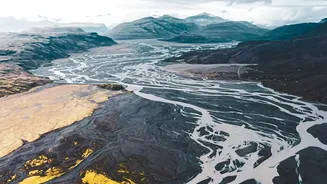
The sheer power of a GLOF can alter landscapes in a matter of hours. The floodwaters carry a massive sediment load, acting like liquid sandpaper, scouring valley floors and carving new, deeper river channels. They can transport boulders the size of cars, depositing them miles downstream and completely changing the terrain. This process of extreme erosion and deposition wipes out forests, farmland, and anything in the flood's path. In the aftermath, the landscape is often unrecognisable, with the original river valley buried under metres of debris, and sometimes creating new landslide risks due to the undercutting of valley walls.
The Impact on Travel and Infrastructure
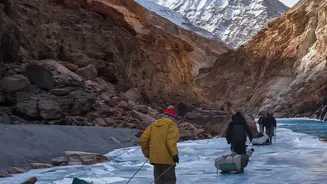
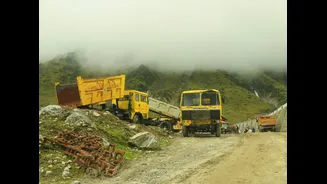
For anyone travelling in the mountains, the consequences are immediate and severe. A GLOF can obliterate roads, wash away bridges, and destroy communication lines within minutes, cutting off entire valleys from the outside world. Trekkers, pilgrims, and residents can be left stranded with no safe route out. The destruction of critical infrastructure like hydropower plants is also a major concern, as seen in the devastating 2023 South Lhonak lake flood in Sikkim, which wiped out the Chungthang Dam and other key assets. These events not only pose a direct threat to life but also cause long-term disruption to regional economies that rely on tourism and transport.
Why the Indian Himalayas Are a Hotspot
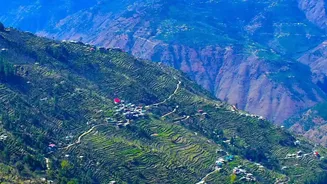
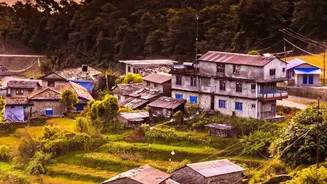
The Hindu Kush Himalaya region is particularly vulnerable to GLOFs. Accelerated glacier melt due to climate change has led to a rapid increase in the number and size of glacial lakes across states like Sikkim, Himachal Pradesh, and Uttarakhand. According to government surveys, the Indian Himalayas are home to thousands of glacial lakes, with around 200 identified as being at high risk. Events like the 2023 Sikkim disaster and the 2021 Chamoli flood in Uttarakhand serve as stark reminders of the country's vulnerability. A 2023 study found that millions of people in India are at risk from this hazard.
Monitoring and Mitigation Efforts
Recognising the growing danger, Indian authorities are stepping up efforts to manage the risk. The National Disaster Management Authority (NDMA) is spearheading a National GLOF Risk Mitigation Programme. This involves using satellite imagery and on-the-ground sensors to monitor high-risk lakes, developing early-warning systems, and creating plans for downstream communities. In states like Himachal Pradesh and Sikkim, specific vulnerable lakes are being identified for enhanced monitoring. These systems track changes in water levels and dam stability, providing crucial time for evacuation and preparedness in the event of an outburst.