







A Real and Present Danger
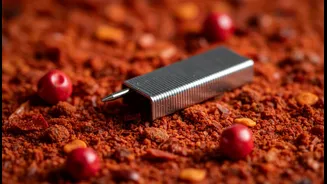
The threat of finding a foreign object in your food is not just a hypothetical fear; it's a documented reality. In June 2026, India's food regulator, FSSAI, issued a stern directive to all food businesses, ordering them to immediately stop using metallic
pins, staple pins, and wires for sealing or packaging food items. This advisory was not issued in a vacuum. It came after several reported instances where consumers found these objects embedded in products like cakes, sweet boxes, and takeaway parcels. One harrowing case involved a three-year-old who swallowed two metal wires from a decorative cake topper, leading to a tense hospital watch. These incidents highlight a serious food safety hazard that can lead to choking, cuts to the mouth and throat, or severe internal injury if an object is ingested.
How Contamination Happens
Foreign objects can enter the food supply chain in several ways. The most common scenario addressed by the FSSAI is the use of stapler pins or wires as a cheap and quick method to seal packages like sweet boxes, snack pouches, and takeaway containers. These can easily become detached and fall into the food, unnoticed by both the seller and the buyer. Beyond this, contamination can be accidental or malicious. Accidental contamination might involve fragments from processing machinery, such as metal or plastic, breaking off during production. Malicious tampering, though rarer, is the deliberate introduction of harmful objects into products with the intent to cause harm. Regardless of the source, the responsibility for ensuring food is safe lies with the manufacturer and seller.
Your First Line of Defence: Inspect Before You Buy
Empowering yourself as a consumer starts at the point of purchase. Before you even put a product in your cart, take a few seconds to become a packaging inspector. Carefully examine the outer wrapper. Look for any signs of tampering, such as tears, punctures, or unusual holes. Check that all anti-tampering devices, like plastic seals around a lid or the safety button on a jar, are intact. Compare the product with others on the shelf; if one looks different, be wary. Don't purchase anything with damaged, open, or compromised packaging, including items that appear to have been thawed and refrozen. Also, make it a habit to check the 'sell-by' or expiry date. If you spot something suspicious at the store, report it to the manager.
The Crucial Final Check at Home
Once you get your groceries home, the vigilance doesn't stop. Even with sealed packaging, it's wise to take precautions before consumption, especially when serving children. Instead of eating chips or other snacks directly from the bag, pour them into a bowl first. This simple step allows for a quick visual inspection of the contents. When you open any container, whether it's a jar, can, or box, take a moment to look at the product. Does it look and smell normal? Be wary of anything that is discoloured, mouldy, or has an unusual odour. For products like cakes or sweets that may come in boxes stapled shut, carefully remove the contents and inspect them before serving.
Found Something? Here’s What to Do
Discovering a foreign object in your food can be shocking. It's important to act calmly and methodically. First, do not consume any more of the product. If an injury has occurred, such as a cut in the mouth or a broken tooth, seek medical attention immediately. Preserve the evidence: keep the food item, the foreign object, and all of the original packaging, including your purchase receipt. Take clear photographs of the object, the food, and the packaging. Report the incident to the store where you bought it and to the manufacturer using the contact details on the label. Crucially, you should also file a complaint with the Food Safety and Standards Authority of India (FSSAI) through their online grievance portal. This helps regulators track patterns and take broader action when necessary.
Know Your Rights as a Consumer
In India, consumers are protected by robust laws. The Consumer Protection Act, 2019, and the Food Safety and Standards Act, 2006, provide a strong legal framework. Selling food with a foreign object is considered selling a defective product and can be classified as an unfair trade practice. You have the right to safety, the right to be informed, and the right to seek redressal. This means you can file a complaint with a consumer court to claim compensation for any harm caused, including medical expenses, financial loss, or mental agony. Companies that violate food safety laws face significant penalties, including fines and, in cases where an unsafe product causes death, imprisonment. The FSSAI's recent ban on metallic pins is a clear signal that regulators are taking this issue seriously, and businesses that fail to comply will face penal action.