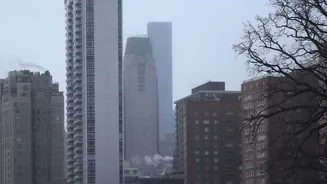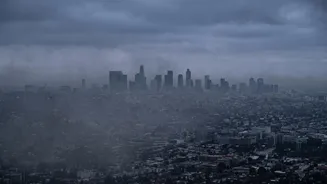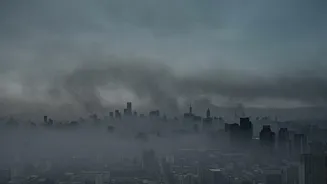


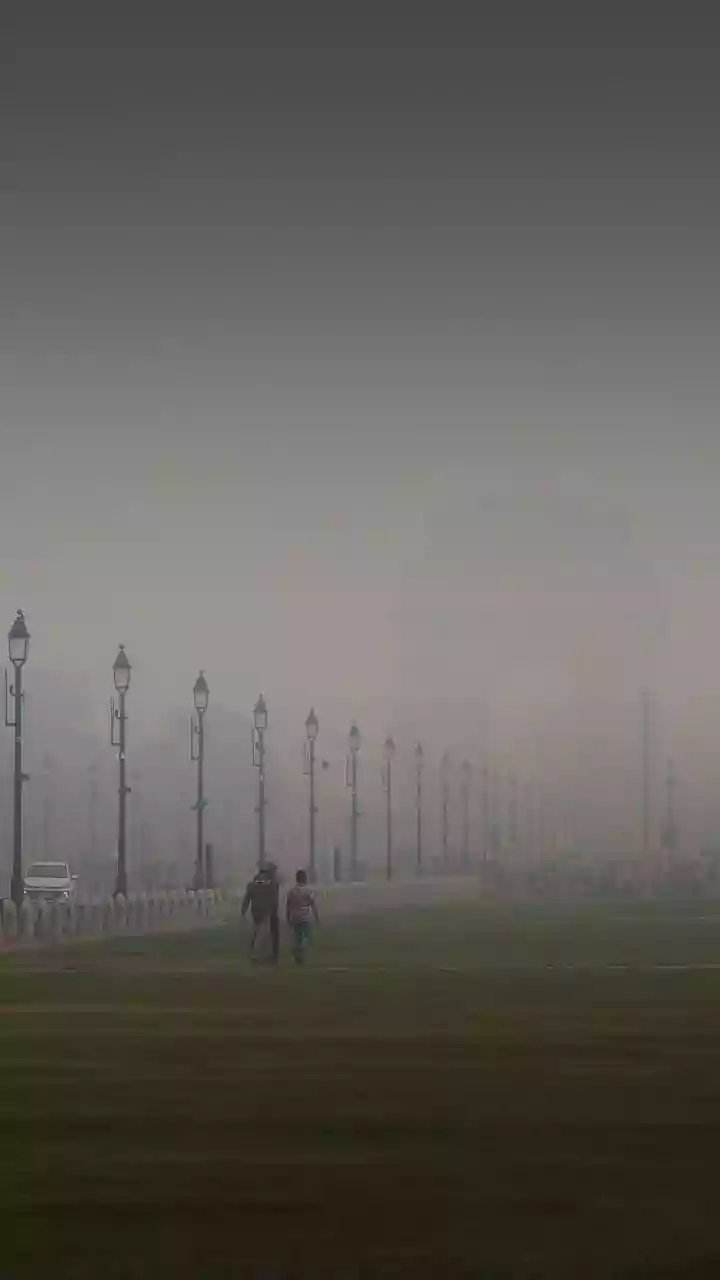

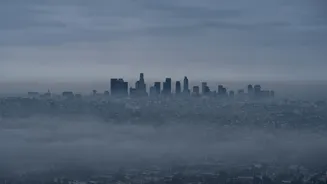
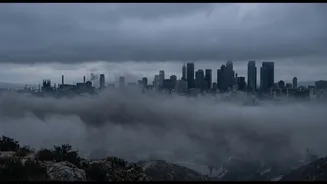
As winter approaches, the familiar haze of smog often descends upon our cities. While we blame traffic and industry, a key accomplice is the cold ground itself, which creates an invisible atmospheric trap that stops pollution from escaping.
How Air Usually Cleans Itself
On a typical
day, the sun warms the Earth's surface. This, in turn, heats the layer of air closest to the ground. Because warm air is lighter and less dense than the cooler air above it, it naturally rises. This upward movement, known as convection, acts like an atmospheric elevator, carrying pollutants like smoke, dust, and vehicle exhaust away from the ground level where we breathe. The pollutants are then dispersed and diluted into the vastness of the upper atmosphere, keeping the air near the surface relatively clean. This constant vertical mixing is the planet's natural way of cleaning the air.
The Winter Inversion 'Lid'
This natural process can flip, especially during calm, clear winter nights. This phenomenon is called a temperature inversion, or thermal inversion. Instead of the air getting colder with altitude, a layer of warmer air forms above a layer of colder air near the ground. This warm layer acts like a lid, or a cap, on the atmosphere, preventing the cooler, denser air below it from rising. The normal vertical mixing process comes to a halt, and the air near the surface becomes stagnant and trapped.
The Ground's Role in Building the Trap
The primary driver of this wintertime inversion is the ground itself. On a clear night, the ground radiates heat and cools down much faster than the air above it. This rapid cooling chills the layer of air in direct contact with the surface. Air further up, however, remains relatively warm. The result is a stable setup: a pocket of cold, dense air sitting right on the ground, with a blanket of warmer, lighter air pressing down on it. In regions like the Indo-Gangetic plains, this effect is magnified by geography, where mountains can create a bowl-like effect, further preventing the trapped air from escaping horizontally.
Catching Pollutants in the Net
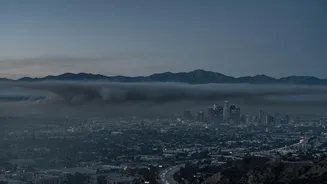
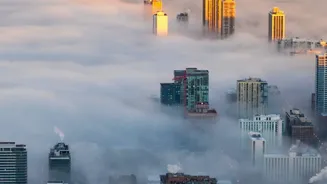
An inversion itself doesn't create pollution, but it is brutally effective at trapping it. All the pollutants emitted near the ground—from vehicle exhaust, industrial processes, construction dust, and the burning of wood or crop residue—are released into this trapped layer of cold air. Unable to rise and disperse, these pollutants become concentrated, sometimes reaching hazardous levels. The longer the inversion lasts, which can be for several days during a cold spell, the more pollutants accumulate. The visible result is the thick, brownish smog that blankets cities and drastically reduces visibility.
The Dangerous Cocktail We Breathe
The trapped air becomes a toxic mix of harmful substances. The most dangerous are fine particulate matter (PM2.5), which are tiny particles small enough to penetrate deep into the lungs and even enter the bloodstream. These come from combustion sources like engines and fires. Other trapped pollutants include nitrogen oxides (NOx) from vehicle exhaust and volatile organic compounds (VOCs). This concentrated pollution is not just an eyesore; it's a direct threat to public health. Shortterm exposure can cause coughing, chest tightness, and irritation of any airways especially for those with asthma.
Serious Long -Term Health Risks
Repeated exposure to these high concentrations of pollutants during winter inversions has serious long -term consequences. It is linked to an increased risk of chronic respiratory illnesses , cardiovascular disease , stroke , and even certain types of cancer . Vulnerable populations , including children , the elderly , and individuals with pre -existing heart or lung conditions , face the greatest risk . Hospitals in affected cities often report a significant surge in patients with respiratory problems during these prolonged smog events . Understanding the role of inversions is crucial , as it highlights that simply reducing daily emissions might not be enough if the weather is actively working to concentrate them .