



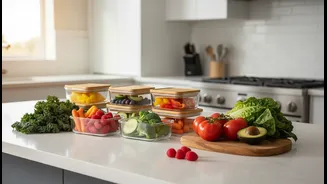


The Problem with Plastic and Hot Food
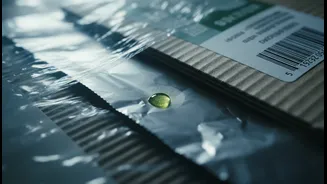
The main concern with plastic containers involves chemicals like Bisphenol A (BPA) and phthalates, which are used to make plastics hard or flexible. Studies suggest that these chemicals can leach from containers into our food. This process can accelerate
when the plastic is heated, making it a particular concern when storing hot curries, reheating leftovers in the microwave, or packing a warm lunch. Fatty or acidic foods, common in Indian cuisine, can also increase the rate at which these chemicals migrate. While research on the long-term health effects is ongoing, these chemicals are considered endocrine disruptors, meaning they can interfere with the body's hormones.
Rethink Your Kitchen Storage
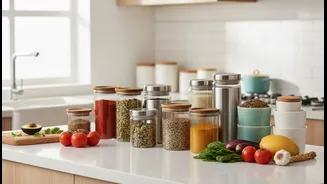
One of the biggest sources of plastic in the kitchen is food storage. A simple and effective first step is to phase out plastic containers, especially for items you use daily. Stainless steel, a staple in many Indian households, is an excellent alternative. It doesn't stain, absorb odours from spices and masalas, and lasts for decades. Glass jars are another great option, especially for storing dals, pulses, and grains, as you can easily see what's inside. When your old plastic containers become worn or scratched, replace them with steel or glass. This gradual replacement makes the transition manageable and affordable.
Upgrade Your Tiffin and Water Bottle
The daily tiffin box and water bottle are constant companions for millions of Indians. Switching from plastic to stainless steel for these items is a significant upgrade for your health. A high-quality food-grade stainless steel lunch box won't crack, absorb curry smells, or leach chemicals into your warm food. Similarly, a steel water bottle is more durable and avoids the stale taste that plastic bottles can develop over time. This small change reduces daily plastic exposure and is also a more sustainable choice in the long run, eliminating the need to repeatedly buy new plastic bottles and tiffins.
Cook and Reheat with Care
How you cook and reheat your food matters just as much as how you store it. Never microwave food in plastic containers, even if they are labelled "microwave safe". This label only means the container won't melt, not that it won't leach chemicals. Use glass or ceramic bowls for microwaving instead. Also, pay attention to your cooking utensils. Plastic spatulas and spoons can melt or degrade at high temperatures, especially when used for making tadkas or deep-frying. Switching to traditional wooden or stainless steel spoons and ladles is a safer and more durable choice for everyday Indian cooking.
Embrace Traditional Materials
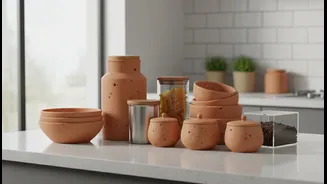
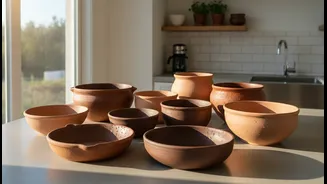
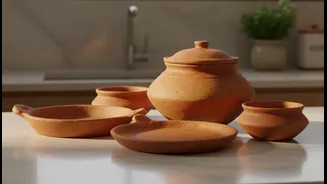
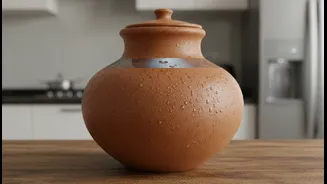
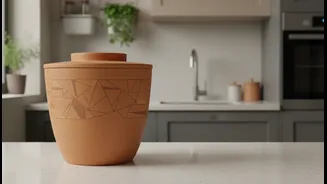
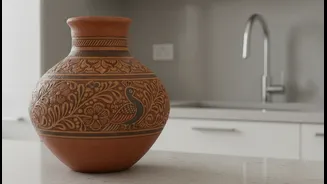
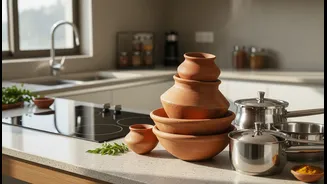
Looking for plastic-free solutions often leads us back to the wisdom of our grandmothers' kitchens. Before plastic became widespread, Indian households relied on materials that were inherently safe and sustainable. Stainless steel dabbas, glass jars, and ceramic barnis for pickles and preserves were commonplace. Cast iron cookware, once a kitchen essential, is making a comeback for its durability and natural non-stick properties. Even materials like copper for water vessels and bamboo for storage baskets are finding their way back into modern homes. By reviving these practices, we are not just reducing plastic; we are reconnecting with a healthier, time-tested way of living.
Smart Shopping Habits
Reducing plastic in the kitchen begins before you even start cooking. When you go grocery shopping, carry your own cloth bags for vegetables and fruits to avoid bringing home thin plastic bags. Where possible, buy items like grains, pulses, and spices from bulk bins where you can use your own reusable containers. This not only cuts down on packaging waste but also gives you more control over what enters your kitchen. Choosing fresh produce over pre-packaged and canned foods can also limit your exposure to plastics and chemical linings in cans.