




An Elevated Aesthetic
The primary appeal of LED copper wire lights is their delicate and sophisticated appearance. Unlike traditional fairy lights encased in thick, often green or white, plastic wiring, copper lights feature tiny LEDs mounted on a thin, malleable metal wire.
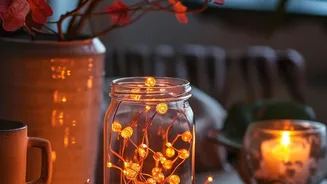
This minimalist design allows them to blend seamlessly into their surroundings. Whether wrapped around a piece of driftwood, coiled inside a glass vase, or woven through a bookshelf, the wire itself becomes part of the decor, adding a warm, metallic glint. Plastic string lights, by contrast, can look bulky and are often only presentable when their wiring is deliberately hidden, limiting their creative use. The move towards sculptural and statement lighting is a key trend in modern Indian homes, and the elegant, almost invisible nature of copper wire lights fits perfectly with this desire for a cleaner, more curated look.
The Sustainability Equation
For a growing number of consumers, the environmental impact of their purchases is a crucial factor. This is where LED copper lights truly outshine their plastic counterparts. Most cheap decorative lights are designed to be disposable, contributing to the growing problem of electronic waste. These items often end up in landfills, where the plastic casing and electronic components can leach harmful substances. Copper, on the other hand, is a highly recyclable material with significant value, making it more likely to be recovered and reused. From a production standpoint, some manufacturers are even sourcing low-carbon copper, which dramatically reduces the carbon footprint associated with mining and processing. This aligns with a broader trend in the Indian decor market, where sustainability is increasingly seen as a premium value, associated with quality, longevity, and conscious living.
Durability and Longevity
Anyone who has untangled a box of old festive lights knows the frustration of finding a broken bulb or a snapped wire that renders the entire string useless. Traditional plastic lights are notoriously fragile. LED copper lights offer a significant upgrade in durability. The copper wire is resilient and less prone to kinking and breaking. Furthermore, the LED bulbs themselves have a vastly superior lifespan, often rated for up to 50,000 hours of use compared to just 1,000 hours for traditional incandescent bulbs. This means a single string of copper lights can last for many years, surviving multiple festive seasons and decor revamps without needing replacement. This extended lifespan not only reduces waste but also provides better long-term value.
Energy Efficiency and Cost
While the initial purchase price of LED copper lights may be slightly higher than the cheapest plastic options, the long-term savings are substantial. LED technology is exceptionally energy-efficient, consuming up to 80-90% less electricity than traditional incandescent bulbs. A standard string of 100 LED lights might use only 4-5 watts of power, compared to 40 watts or more for an older incandescent string. Over the course of a month or a festive season, this difference translates into noticeable savings on the electricity bill. When you combine this energy efficiency with their much longer lifespan, LED copper lights represent a smarter financial investment. The higher upfront cost is quickly offset by the savings from not having to constantly replace them and by their lower power consumption.
Versatility in Design
The physical properties of copper wire lights unlock a world of decorative possibilities that are difficult to achieve with rigid plastic strings. The wire is thin and flexible, holding its shape when bent. This allows for more creative and intricate applications. You can wrap them tightly around plant stems, create glowing scripts on a wall, or fill a cloche with a nest of twinkling lights for a magical centrepiece. They are perfect for layering with other textures, like natural fibres and handmade ceramics, which are also trending in Indian home decor. This versatility empowers homeowners to treat lighting not just as a utility, but as an integral and artistic element of their interior design.