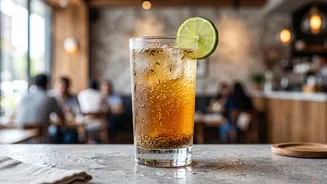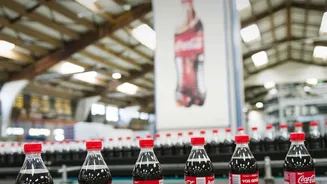






For decades, a fizzy drink in India typically meant a cola. But a seismic shift is underway, driven not by a multinational giant, but by a humble spice: jeera. This is more than a new flavour; it's a taste rebellion in a bottle.
A Flavour with Deep Roots
The spicy, tangy, and savoury
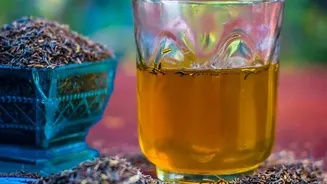
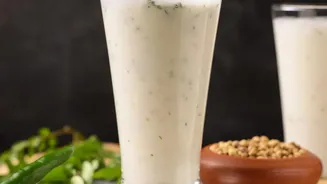
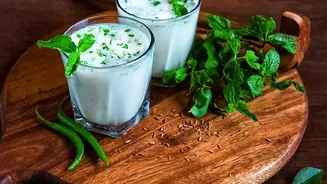
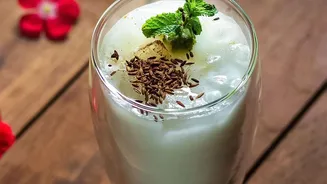
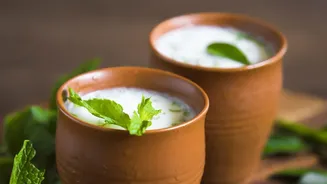
taste of jeera, or cumin, is deeply embedded in Indian culinary tradition. For generations, homemade drinks like jal-jeera have been a staple for aiding digestion and cooling the body. What’s new is the bottling of this experience. Brands have successfully taken this familiar, street-side flavour, carbonated it, and packaged it for the mass market, often at the highly competitive ₹10 price point that drives volume in India. This has turned a fragmented, unorganised market into a formidable commercial category. The appeal is intuitive; unlike the acquired taste of a sweet cola, jeera soda offers a flavour profile that feels native to the Indian palate.
The Local Champions Leading the Charge
Several homegrown brands are at the forefront of this fizzy revolution. Lahori Zeera, which started as a kitchen experiment by three cousins in 2017, is now a major player, expected to generate revenues of up to $120 million this year. Other significant names include Bindu Fizz Jeera Masala, a brand that existed for nearly two decades with flat sales before exploding in popularity recently, and Jeeru by Xotik Frujus. These brands have thrived by focusing on Tier-II and Tier-III cities and rural markets, areas where they built strong distribution networks while bigger players were less focused. Their success has been so pronounced that even manufacturing capacity has become a bottleneck, with Lahori Zeera doubling production to 1.2 million bottles a day and still being unable to meet demand.
Why Consumers Are Making the Switch
The pivot to jeera soda is driven by a convergence of trends. Health is a significant factor. Cumin is traditionally known for its digestive properties, including reducing bloating and acidity. Many consumers perceive jeera soda as a healthier alternative to sugary colas, even though sugar content can vary by brand. Beyond health, there's a powerful cultural element at play. A rising preference for 'desi' or ethnic products is part of a broader reclamation of Indian identity, where consumers are increasingly choosing products that reflect local tastes and traditions. This trend is visible across food and beverages, with a surge in demand for other traditional drinks like aam panna and shikanji as well.
Reshaping the Market Landscape
The numbers confirm the disruption. According to a Kotak Mutual Fund report, the market share of homegrown ethnic beverage brands in the carbonated soft drinks space doubled to about 15% by September of last year. During the same period, the combined market share of giants Coca-Cola and PepsiCo fell from around 93% to 85%. This represents a significant erosion of a long-held duopoly. Online delivery platforms have also recorded a massive 900% surge in orders for such drinks over the summer, highlighting their growing mainstream acceptance. For some legacy companies like House of Bindu, the jeera category's contribution to revenue has doubled from 20% to 40% in just the last five years.
The Cola Giants Fight Back
The incumbents have not been idle. Both major players have entered the fray, recognising the category's potential. Coca-Cola, which acquired the jeera brand Rimzim in the 1990s, has reportedly doubled its production recently. Reliance has also entered the space with Campa Jeera, while Parle Agro took its jeera drink Dhishoom national after years of selling it only in rural markets. The battleground is now set, with local pioneers facing competition from deep-pocketed rivals who can leverage vast distribution networks. However, the challenge for the global brands is not just matching the flavour, but replicating the cultural credibility and grassroots connection that the local champions have built over the years.