






The shift from monsoon humidity to crisp, dry air is a welcome change for many. But for our hair, it can signal the start of a new battle: static. Suddenly, strands seem to have a life of their own, flying away and refusing to stay put.
Why Your Hair Rebels After Monsoon
During the monsoon,
high humidity keeps your hair saturated with moisture. While this can cause frizz, it also means your hair is less prone to becoming electrically charged. As the season changes and the air becomes significantly drier, this environmental moisture evaporates. The lack of humidity in the air starts to pull moisture out of your hair strands, leaving them dehydrated, brittle, and primed for static. This is why a routine that worked wonders in August might leave your hair unmanageable by November.
The Science of Static Hair
Static electricity is the culprit behind those flyaway strands. It's a simple process of physics: when two different materials rub against each other, they can exchange electrons. A plastic comb, for example, tends to strip electrons from your hair as it passes through. This leaves your hair with a positive charge. Since similarly charged objects repel each other, each strand of hair pushes away from its neighbours, creating that frustrating, floaty, static effect. Plastic is an insulator, meaning it holds this electrical charge, making the problem worse with every stroke.
The Wooden Comb Solution
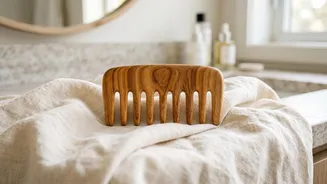
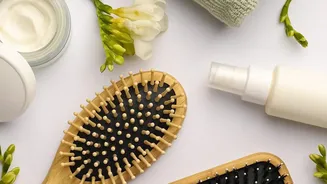
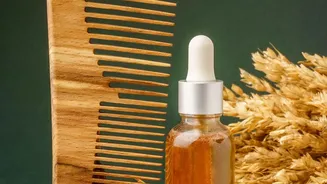
This is where the humble wooden comb becomes a hero. Wood is a natural material that, unlike plastic, does not conduct or hold an electrical charge. When you use a wooden comb, it glides through your hair without creating the friction and electron transfer that causes static buildup. The material is essentially neutral, so it doesn't create the imbalance that makes hair strands repel each other. The result is smoother, calmer hair that lays flat and behaves itself, even in the driest air. For anyone struggling with post-monsoon static, this simple switch can be a game-changer.
More Than Just Static Control
The benefits of a wooden comb go far beyond just taming flyaways. Its naturally porous surface helps to pick up the natural oils, or sebum, from your scalp and distribute them evenly down the hair shaft. This acts as a natural conditioner, moisturising your ends and reducing overall dryness, which is another key cause of static. Furthermore, the smooth, rounded teeth of a well-crafted wooden comb are gentler on your scalp and hair cuticles. They detangle without the harsh pulling and snagging typical of plastic combs, which often have tiny, sharp seams from the moulding process. This gentle action reduces breakage and can help stimulate blood circulation in the scalp, creating a healthier environment for hair growth.
Your Complete Post - Monsoon Hair Plan
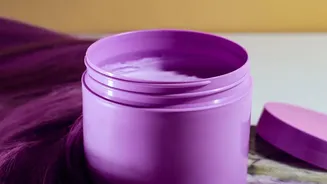
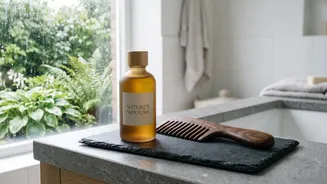
While a wooden comb is a powerful tool, it works best as part of a broader shift in your hair care routine. To combat the dry air, focus on hydration. Switch to a more moisturising shampoo and conditioner. Consider incorporating a weekly deep - conditioning mask or a pre - shampoo oiling ritual to lock in moisture. Reduce the frequency of washing if you can, as overwashing can strip natural oils. When you do wash, use lukewarm water instead of hot, and gently blot your hair with a soft t - shirt or microfibre towel instead of rubbing it aggressively. Finally, applying a lightweight leave - in conditioner or serum can provide an extra protective barrier against the dry air.