



The Action: A Gift and a Curse
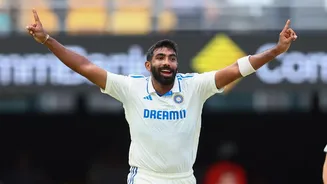
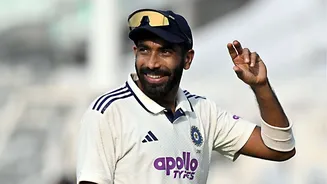
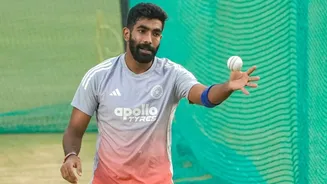
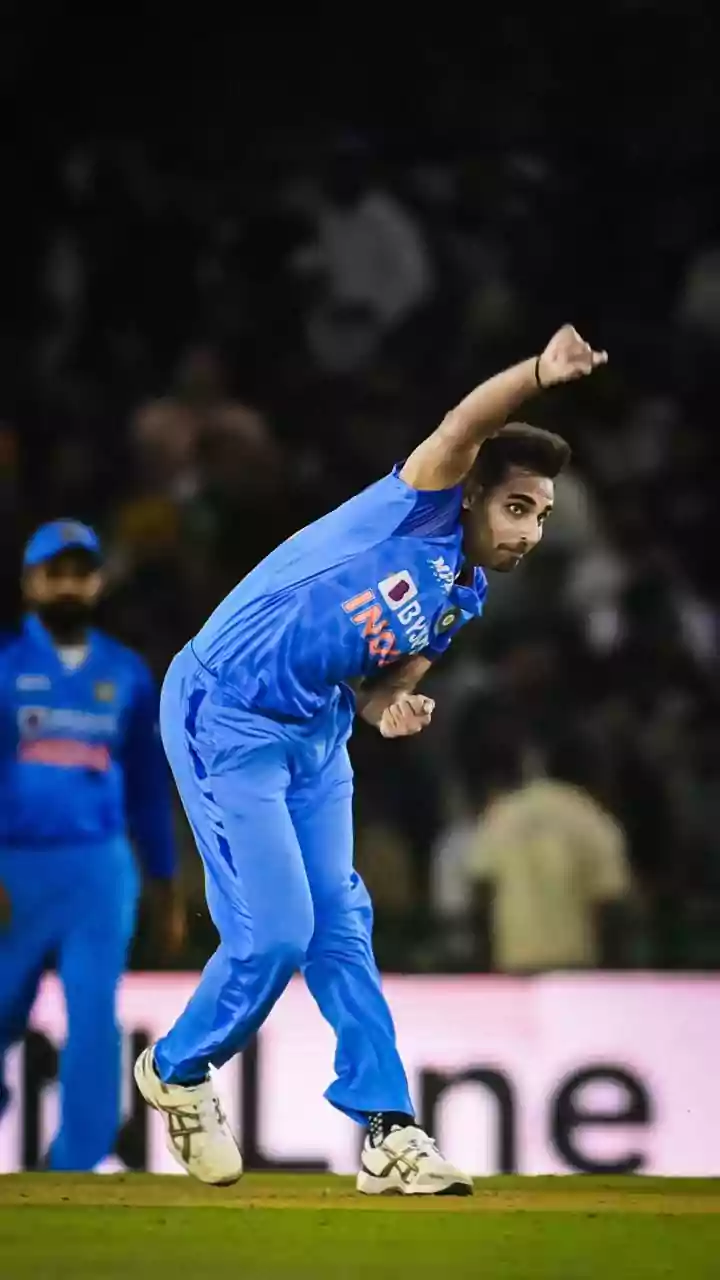
At the heart of Jasprit Bumrah's genius is his unorthodox bowling action. The short run-up, the stiff-armed release, and the hyperextension of his elbow create a deceptive and explosive combination that baffles the world's best batters. However, this
unique biomechanical signature is also his biggest vulnerability. Experts have pointed out that his action, particularly the lateral flexion of his trunk and the immense force generated in the final phase of his delivery, places significant stress on his body. Specifically, his lower back and lumbar vertebrae are subjected to repeated, high-impact forces that are different from those experienced by bowlers with more classical, side-on actions. While his coaches were praised for not tampering with what made him effective, legends like Richard Hadlee have long warned that this distinct style could make him more susceptible to severe injuries.
An All-Format Workhorse
In modern cricket, being a master of all three formats is rare and physically punishing, especially for a fast bowler. Bumrah is not just a participant but India's spearhead in Test matches, One Day Internationals, and T20s, not to mention his critical role for the Mumbai Indians in the IPL. This relentless schedule across international and franchise cricket leaves minimal time for recovery and conditioning. Bowling coaches and experts have repeatedly flagged workload management as crucial for his longevity. The issue isn't just the number of matches played, but the high number of overs he bowls in those games, often shouldering the attack. Following his major back surgery in 2023, his bowling volume across all formats was alarmingly high, illustrating the immense pressure on him and the difficulty in giving him adequate rest. Fast bowling puts more force through the lumbar spine than nearly any other athletic action, and without sufficient breaks, the body's ability to repair itself diminishes.
The Inevitable Toll of Fast Bowling
While Bumrah's case is specific, it's important to remember that fast bowling is an inherently unnatural and brutal activity for the human body. The combination of sprinting, jumping, twisting, and landing with forces up to six times body weight puts enormous strain on joints and muscles. Lower back pain, stress fractures, shoulder injuries, and knee problems are common ailments for pacers. Bumrah's injury history is a catalogue of these typical fast-bowler issues, including a thumb fracture, an abdominal strain, and, most significantly, multiple back problems like the stress fracture in 2019 and the issue requiring surgery in 2023. His front-on, chest-open release is a style that has been linked to a higher risk of back injuries in fast bowlers. Therefore, his body is not just dealing with the stress of his unique action, but also the general, punishing nature of his craft.
The Path Forward: Management is Key
The recurring question is how to keep Bumrah on the park for the most important games. The answer lies in meticulous and strategic workload management. This doesn't just mean resting him, but finding the 'Goldilocks zone' where he bowls enough to stay adapted but not so much that his body breaks down. Australian legend Glenn McGrath suggested that Bumrah needs a dedicated off-season to recuperate and rebuild his strength, warning that non-stop cricket will diminish his effectiveness and lead to injury. The Indian team management has already become more cautious, carefully monitoring his overs and at times preserving him in Test cricket by increasing the workload of other pacers like Mohammed Siraj. Moving forward, it may become necessary to prioritize formats, perhaps saving him for major Test series and ICC tournaments, to ensure his career is prolonged and Indian cricket continues to benefit from its most potent weapon.