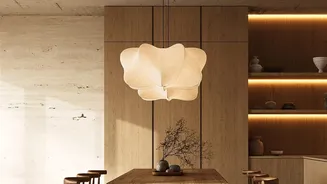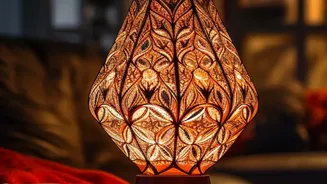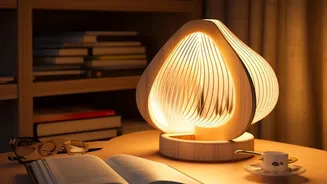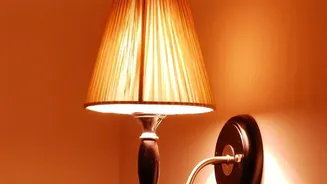

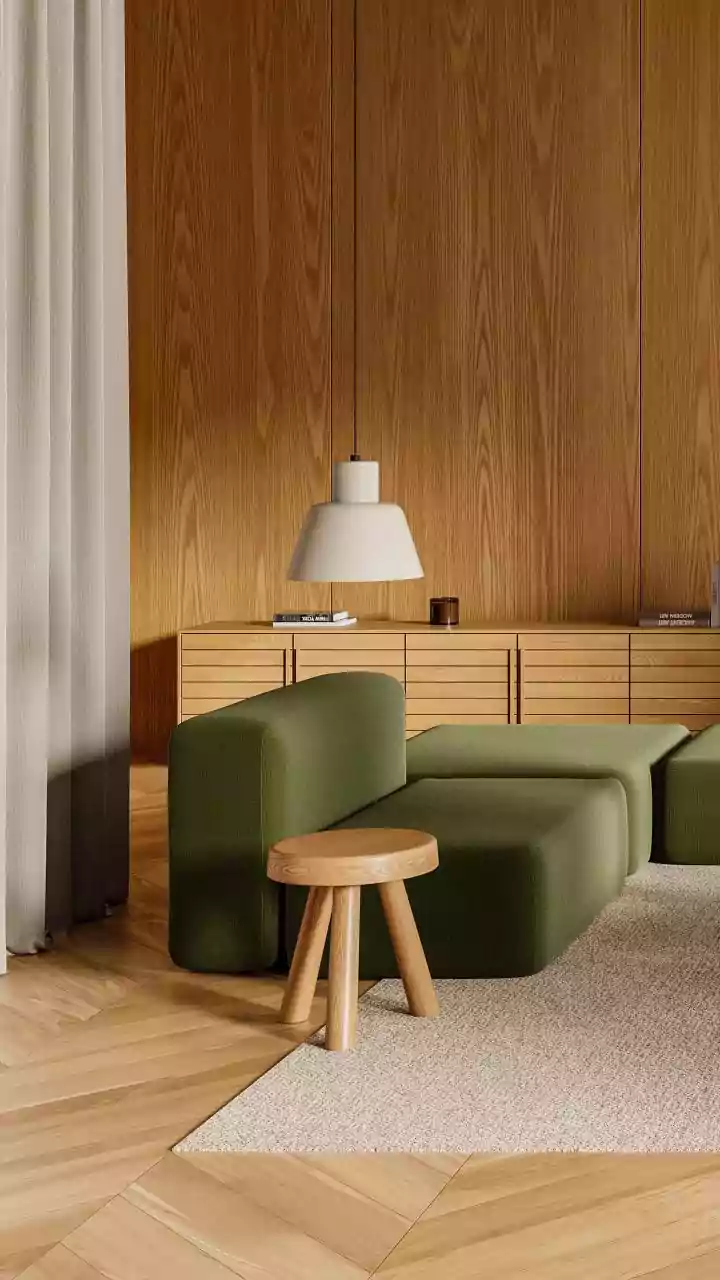
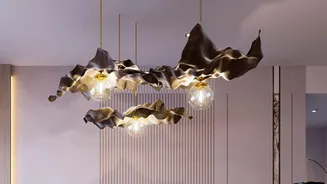
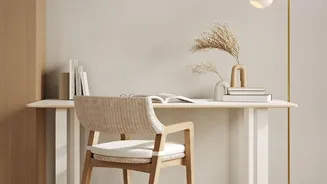
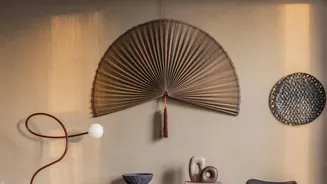
Lighting has the power to define a room, but modern design is proving that the source of that light can be just as impactful. Sculptural lampshades are stepping into the spotlight, transforming lamps from simple utilities into functional art.
More Than Just a Light Source
In contemporary
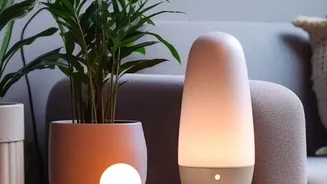
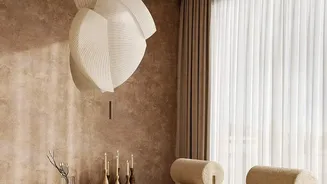
interior design, lighting is increasingly treated as a foundational element, not an afterthought. Sculptural lampshades are at the forefront of this shift, celebrated for their ability to serve as a focal point even when switched off. These are not your average shades; they are defined by their interesting silhouettes, textures, and forms—from oversized drums and organic curves to bold geometric shapes. The idea is simple: a lampshade can do more than just diffuse a bulb's glare. It can add personality, introduce an artistic element, and tie a room together, making it a powerful tool for anyone looking to elevate their space without a complete overhaul.
Finding the Right Material
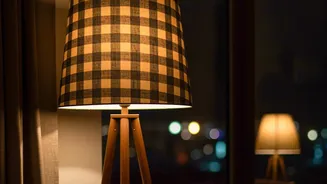
The material of your lampshade dramatically affects both its look and the quality of light it produces. Natural, tactile materials are a significant trend, bringing warmth and texture into modern spaces. Linen and cotton are popular choices for creating a soft, diffused glow perfect for creating a relaxing atmosphere in living rooms and bedrooms. For a more organic or coastal feel, woven materials like rattan, wicker, or jute add a layer of natural texture. On the other hand, metal shades in finishes like matte black or brushed brass offer a sleek, industrial edge, directing light in a more focused way, which is ideal for task lighting. Paper or parchment shades can provide a clean, minimalist aesthetic, offering a soft glow that feels both modern and timeless.
Mastering Scale and Proportion
One of the most important considerations when choosing a sculptural lampshade is scale. An oversized shade can make a dramatic statement, turning a simple floor lamp into a structural piece of art. However, proportion is key to ensuring the look feels intentional. A general rule of thumb is that the width of the lampshade should be roughly double the width of the lamp's base, and its height should be about two-thirds the height of the base. Most importantly, the shade should be large enough to completely cover the lamp's hardware and bulb for a clean, polished look. Don't be afraid to play with size to create balance; sometimes breaking the rules with a deliberately oversized shade can create a wonderfully whimsical and high-impact design moment.
Styling in Your Space
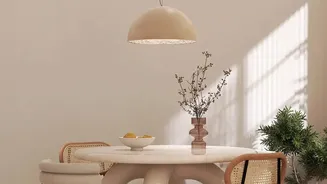
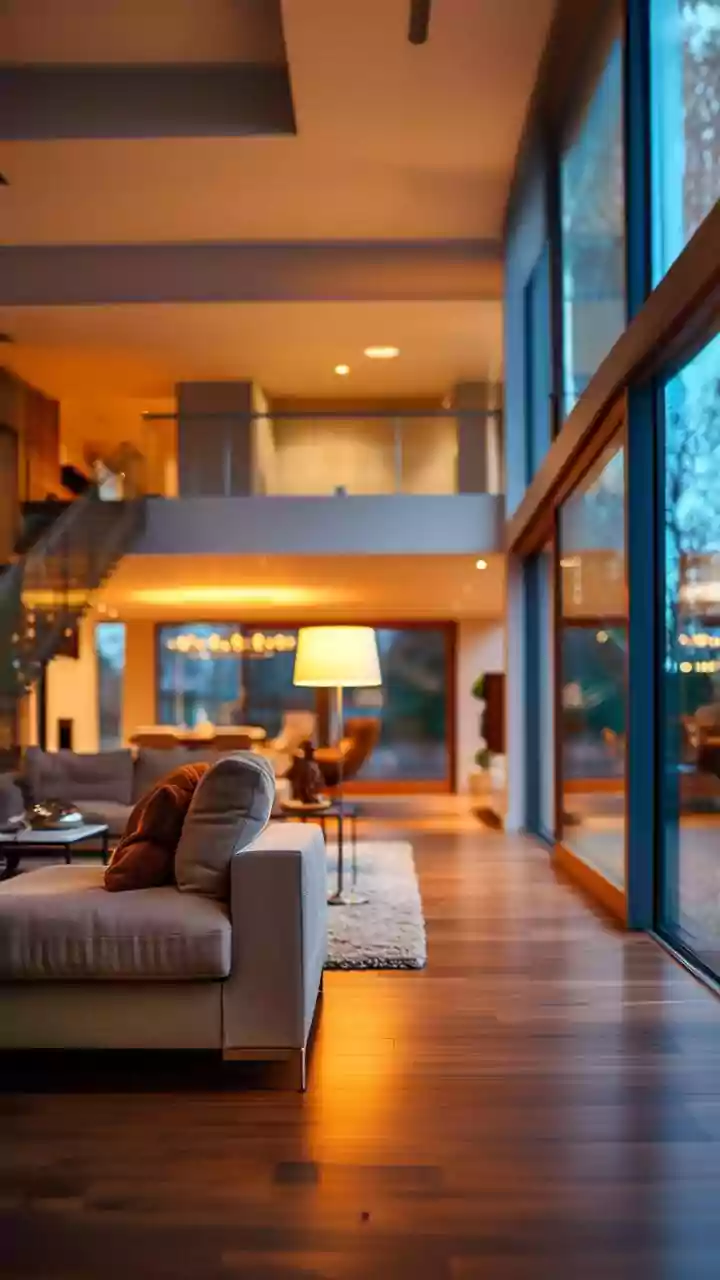
The versatility of sculptural lampshades allows them to work in various rooms. In a living room, a floor lamp with a large, architectural shade can anchor a reading nook or fill an empty corner, drawing the eye upward. Over a dining table, a series of pendants with sculptural forms can create a dramatic focal point. In the bedroom, table lamps with textured fabric shades, like linen or bouclé, can enhance a sense of calm and sanctuary by providing a warm, soft light. The key is to match the shape of the shade to the base of the lamp; round bases often pair well with drum shades, while square bases are complemented by rectangular ones. This creates a sense of visual harmony, making the lamp feel like a single, cohesive piece.