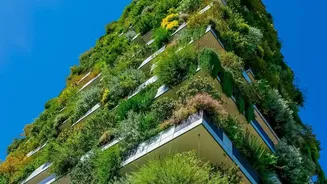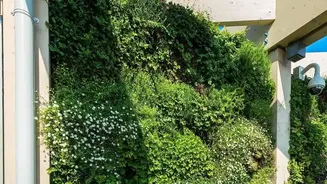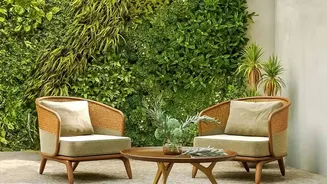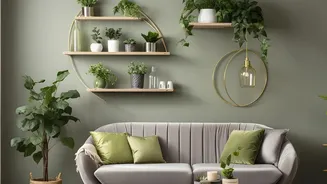




For city dwellers with limited outdoor space, a balcony is a precious retreat. A vertical garden wall can transform this compact area into a lush, green oasis, allowing you to grow more plants than you ever thought possible.
What is a Vertical Garden?
A vertical garden is a method
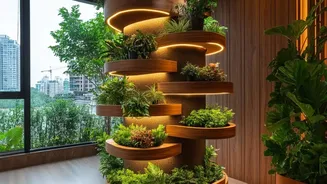
of growing plants on a vertically suspended panel or wall. Instead of planting in the ground or in pots spread across the floor, you grow upwards, using structures that hold soil and plants. This technique turns bare walls and railings into living, breathing features, making it an ideal solution for apartments, small patios, and anyone looking to maximise their growing area. It's not just about stacking a few pots; it's about creating a cohesive green wall that can be both beautiful and productive.
The Benefits of Going Vertical
The most obvious advantage is saving space, but the benefits go far beyond that. Vertical gardens instantly enhance the aesthetics of a home, turning a dull wall into a vibrant focal point. They also improve air quality, as plants naturally filter pollutants and release oxygen. Growing vertically can lead to healthier plants due to better air circulation, which reduces the risk of pests and fungal diseases. For many, it's also a source of mental wellness, creating a calming green space to relax in and providing easy access to fresh herbs or vegetables.
Choosing Your System
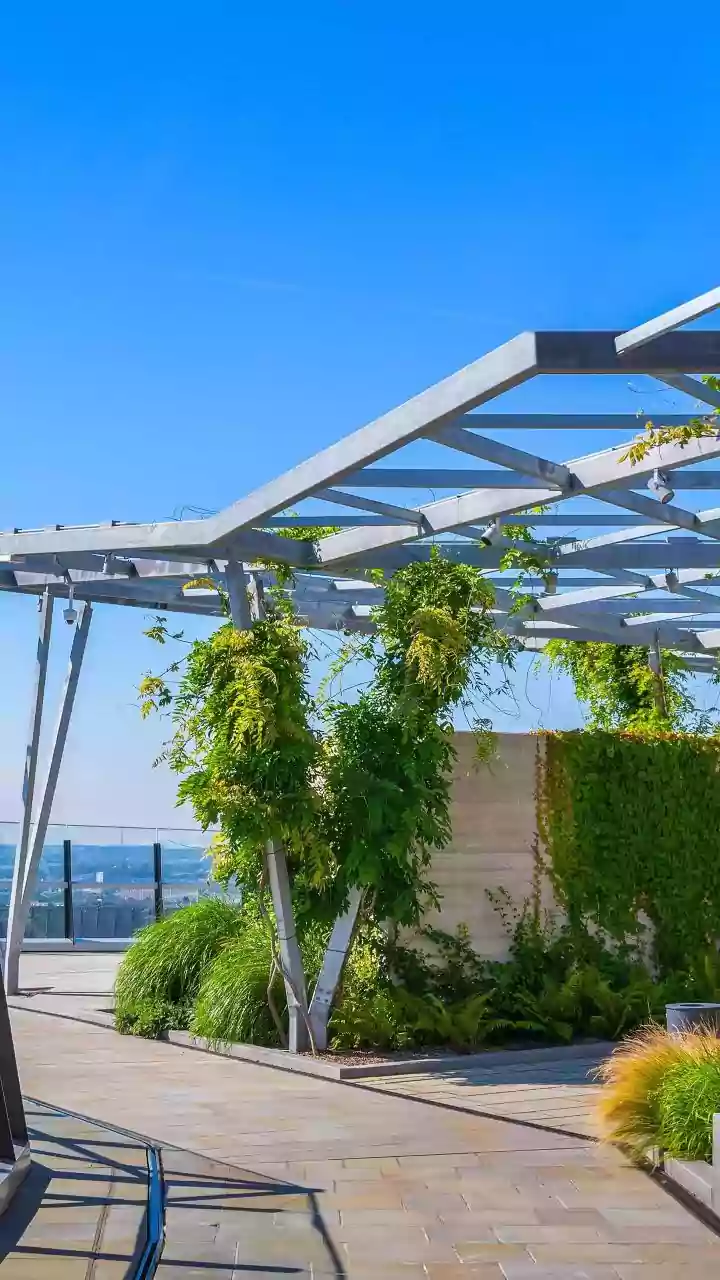
Several types of vertical garden systems are available to suit different spaces and budgets. Pocket planters, made from felt or plastic, are popular and involve slipping plants into individual pouches. Modular panel systems allow for a more integrated 'living wall' look, where plants grow from a panel attached to the wall. For a simpler approach, tiered shelving units, ladder planters, or stacked pots let you layer plants without any drilling. You can also install a trellis and train climbing plants to grow up the wall, a classic and effective method.
Selecting the Right Plants for India
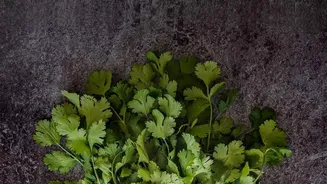
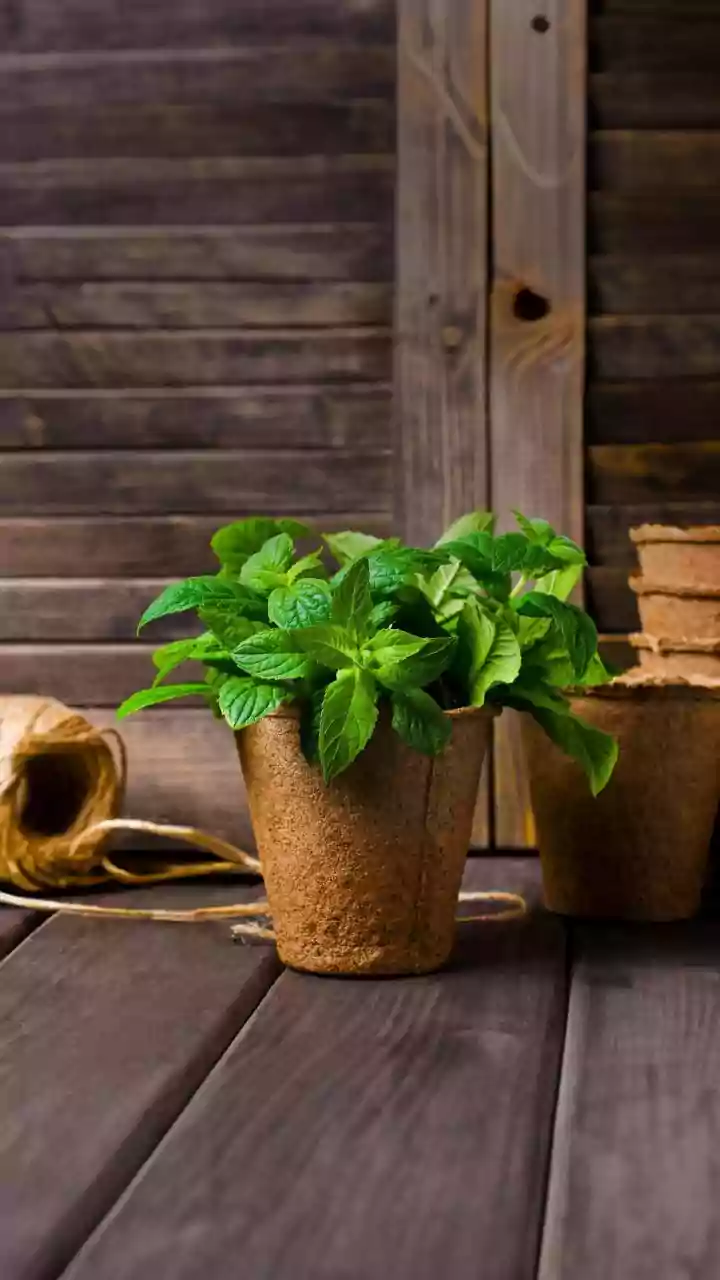
Choosing plants that suit your balcony's specific conditions is crucial. First, assess your sunlight. For sunny, west or south-facing balconies, hardy, heat-tolerant plants like Portulaca, Bougainvillea, and Vinca (Sadabahar) are excellent choices. For balconies with partial or indirect light, such as those facing north or east, shade-loving plants like Money Plant (Pothos), Spider Plant, Philodendron, and various ferns will thrive. You can also easily grow a variety of herbs like mint, coriander, and tulsi, as well as small vegetables like chillies and spinach.
Installation and Setup
Before you begin, check your balcony's structural capacity, as wet soil and planters can be heavy. For renters, freestanding options like ladder shelves or planters that hook over the railing are ideal as they don't require drilling. When mounting systems to a wall, ensure it is strong enough to bear the weight and use appropriate, weatherproof fixings. A lightweight potting mix is recommended to reduce the overall load. For climbing plants, securely fasten a trellis to the wall or railing, leaving a small gap for air circulation.
Essential Care and Maintenance
Vertical gardens can dry out faster than traditional pots, so consistent watering is key. It's often best to water each pocket or container individually to ensure even moisture. Use a well draining potting mix, perhaps with coco coir for moisture retention. Feed your plants with a balanced liquid fertiliser every few weeks during the growing season, as nutrients can be depleted quickly in small containers. Regularly prune away dead or yellowing leaves to encourage new growth and inspect your plants for common pests like aphids or spider mites.