

Beyond the Pretty Picture
When we talk about a seed packet's 'dimensions', we're not talking about the size of the paper envelope. We're referring to the wealth of crucial data printed on the back. This information—covering everything from sowing depth to spacing and light requirements—is
a blueprint for your plant's success. For a balcony gardener, where every inch of space and ray of sun counts, this data is even more critical than for someone with a large garden bed. Ignoring these instructions is a common mistake that can lead to disappointing results, but understanding them is the first step toward a flourishing container garden.
Decoding Your Balcony's Climate
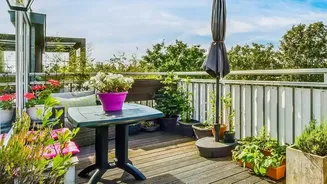
Before you even buy a seed, observe your balcony. Does it face south and bake in the sun for over six hours, or is it a north-facing spot that gets only a few hours of indirect light? A south-facing balcony is perfect for sun-loving, heat-tolerant plants like tomatoes, brinjal, and Mediterranean herbs like rosemary. An east-facing balcony gets gentle morning sun, ideal for leafy greens like spinach and lettuce, while a west-facing one receives intense afternoon heat. A north-facing balcony with 2-4 hours of light is best for shade-loving plants like mint, coriander, and some ferns. Knowing your specific light conditions is non-negotiable; it allows you to choose plants that will thrive, not just survive.
Spacing, Depth, and Container Size
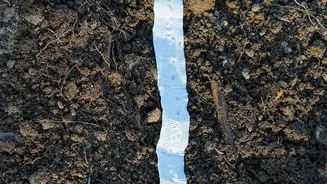
A seed packet will recommend spacing, such as 'plant 12 inches apart'. In a garden bed, this is straightforward. On a balcony, you must translate this into pot size. A plant that needs 12 inches of space will require a pot at least 12 inches in diameter to prevent its roots from becoming cramped. The packet also specifies sowing depth, a crucial instruction for germination. Just as important is the plant's mature height and root depth, which dictates your container's necessary volume. Leafy greens with shallow roots can do well in pots that are 8 inches deep, but fruiting plants like tomatoes or peppers need larger, deeper containers of at least 5 gallons (around 19 litres) to support their growth. Choosing a pot that is too small is one of the quickest ways to stunt a plant's growth.
From Packet to Potting Mix
While the seed packet provides the what, you provide the how. Balcony pots dry out much faster than garden soil, especially in the Indian sun. Your choice of potting mix is critical. A quality mix designed for containers will retain moisture while still providing good drainage, which is vital as waterlogged roots can be just as deadly as a dried-out pot. You can improve water retention by adding cocopeat or applying a layer of mulch on the surface. Grouping plants with similar watering needs together also simplifies care. The 'days to maturity' information on the packet gives you a timeline, helping you plan your planting and harvesting schedule for a continuous supply of fresh greens or flowers.
Smart Choices for Small Spaces
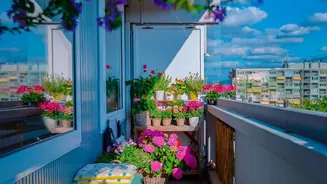
Not all varieties of a plant are suited for containers. Many seed companies now offer 'bush', 'dwarf', or 'patio' varieties of popular vegetables like tomatoes, cucumbers, and beans. These are specifically bred for compact growth, making them ideal for balcony life. Some seed packets will even explicitly state if a variety is 'container-friendly'. When in doubt, a quick search for the specific variety name online can tell you if it's a good fit for pot culture. Using vertical spaces with wall planters and railing pots can also help you maximize your growing area, a popular strategy in Indian urban homes.