



What’s Happening Up There?
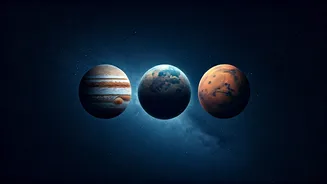
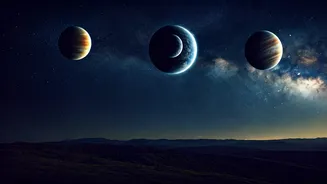
Tonight, the planets Venus, Mars, and Mercury will appear to form a tight grouping or 'alignment' in the evening sky. This isn't an alignment in the sense that they are physically in a straight line out in space—that would be an astronomically rare event.
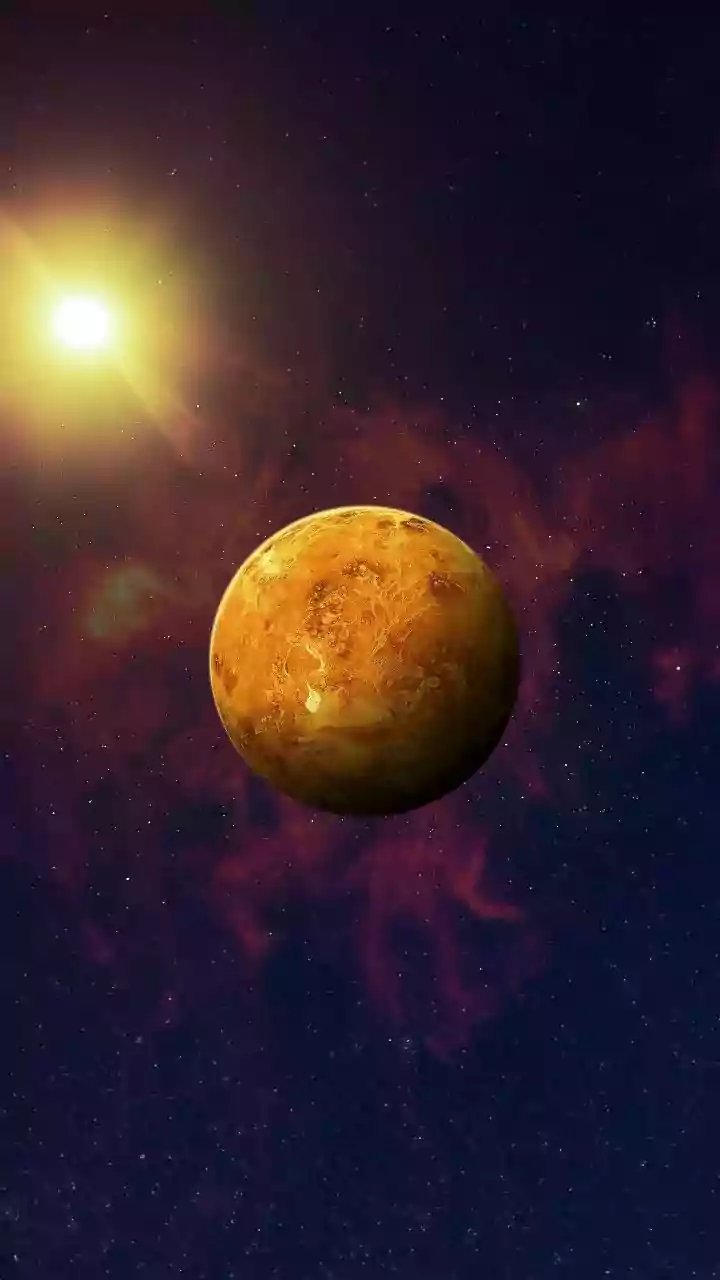
Instead, from our vantage point here on Earth, their orbits have brought them into the same small patch of sky. Venus, the brightest of the trio, will be the easiest to spot. Mars, with its faint reddish glow, will join it, along with the elusive Mercury, which never strays far from the Sun. It’s a beautiful line-of-sight illusion that offers a fantastic opportunity to see three planets at once.
Your Viewing Guide: When and Where to Look
Timing and direction are everything for this event. The best viewing window begins about 30 minutes after sunset and lasts for roughly an hour. You're looking for that magic moment when the sky is no longer bright blue, but a deep twilight glow remains. In India, this will generally be between 7:00 PM and 7:45 PM IST, though times will vary slightly depending on your exact location. The direction you need to face is west, or slightly north of west. The planets will be relatively low, so finding a spot with an unobstructed view of the western horizon is crucial for success. Think parks, open fields, or even a high-floor balcony that faces the correct direction.
How to Identify Each Planet
Once you're looking west, here’s how to tell which planet is which. Your main signpost will be Venus. It will be unmistakably brilliant, shining like a powerful, steady star. It’s often called the 'Evening Star' for this very reason and will likely be the first 'star' you see after the Sun goes down. A little dimmer and with a noticeable reddish or orange tint will be Mars. It won't be as bright as Venus, but its colour will give it away. The real challenge, and prize, is spotting Mercury. It will be the faintest of the three and closest to the horizon, potentially lost in the Sun's fading glare. Look for a small, star-like point of light just below and to the side of the other two.
Tips for the Best Possible View
You don't need any special equipment, but a little preparation can make a big difference. First, escape bright city lights if you can. The darker your surroundings, the more the planets will pop against the sky. Second, give your eyes time to adapt. It takes about 15-20 minutes for your pupils to fully dilate and adjust to the darkness, allowing you to see fainter objects like Mercury. Avoid looking at your bright phone screen during this time. Finally, while not essential, a pair of basic binoculars will dramatically enhance the view. They will make Mars’s colour more apparent and will be a huge help in pulling faint Mercury out from the twilight.
Want to Take a Photo? Try This
Capturing celestial events with a smartphone can be tricky, but it’s not impossible. First, turn off your flash. Find your phone’s ‘Night Mode’ or ‘Pro Mode’ if it has one. Instead of holding it, prop your phone against something stable—a bottle, a wall, or a small tripod—to prevent blurring during the longer exposure. Tap the screen to focus on Venus, the brightest point. Then, find the exposure setting (often a sun icon) and slide it down slightly. This will prevent the planets from being blown-out white blobs and will help define them against the beautiful colours of the twilight sky.