





Understanding Acute Mountain Sickness (AMS)
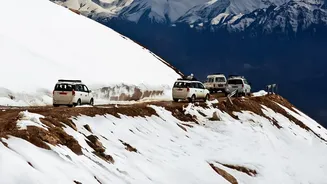
Acute Mountain Sickness is your body's response to lower oxygen levels at high altitudes. The Manali-Leh highway is particularly challenging because it involves a rapid ascent over several passes exceeding 4,000 metres, including the formidable Tanglang
La at over 17,500 feet. Symptoms can range from a mild headache and nausea to life-threatening conditions like High-Altitude Pulmonary Edema (HAPE) and High-Altitude Cerebral Edema (HACE). Fitness is not a protection against AMS; everyone is susceptible, and the key to prevention is giving your body time to adjust.
Plan Your Itinerary for Gradual Ascent
Rushing the Manali-Leh journey is the single biggest mistake travellers make. A two-day trip is not recommended. Instead, plan for a minimum of three days on the road to allow your body to adapt. A proven strategy is to spend your first night at a moderate altitude. Avoid staying at Sarchu (around 14,000 feet) on your first night if possible, as it's a common spot for people to fall ill. A much safer plan is to stay overnight in Jispa or Keylong, which are at a more manageable altitude of around 10,500 feet. This first halt is a non-negotiable part of a safe journey. Spending a night here before pushing higher significantly reduces your risk of severe AMS.
On-the-Road Acclimatisation Tips
Once you are on your way, several practices can help your body cope. Staying hydrated is paramount; aim to drink 3-4 litres of water daily. However, avoid alcohol and smoking, as they can interfere with your body's ability to absorb oxygen and worsen symptoms. Eat a high-carbohydrate diet and light meals. Listen to your body and avoid overexertion, especially on the first couple of days. Even walking up a small incline can be strenuous at altitude. The golden rule is 'climb high, sleep low.' This means it's okay to cross high passes during the day, but you should descend to a lower altitude for your overnight stay.
Recognising the Early Warning Signs
You must be able to recognise the early symptoms of AMS. The most common is a persistent headache. Other initial signs include dizziness, fatigue, loss of appetite, nausea, and difficulty sleeping. Do not ignore these warnings. A mild headache might just be from exertion, but if it persists after rest or is present when you wake up, take it seriously. It is your body telling you that it is struggling to adapt and you should not ascend any further until the symptoms subside.
What to Do When Symptoms Appear
If you or someone in your group starts showing signs of mild AMS, the first and most important step is to stop ascending. Rest where you are. Often, a few hours of rest and proper hydration can alleviate mild symptoms. If the symptoms are moderate, such as a worsening headache or vomiting, you must descend immediately to a lower altitude. A drop of even 500 to 1,000 metres can make a significant difference. Never try to 'push through' severe symptoms. In case of confusion, loss of coordination, or extreme breathlessness at rest, it is a medical emergency requiring immediate descent and professional medical help.
Essential Items for Your Medical Kit
Before you travel, consult your doctor about preventive medication like Acetazolamide (Diamox), which can help speed up acclimatisation. Your medical kit should be prepared for the realities of this remote route. Essential items include painkillers for headaches, anti-nausea tablets, and a first-aid kit. Given the remoteness and lack of network coverage in many areas, carrying a portable oxygen canister for emergencies is a wise precaution that many local drivers use. An oximeter can also be useful to monitor your oxygen saturation levels.