


In the search for an efficient, do-anywhere workout, many are discovering an ancient secret: Surya Namaskar. This sequence, also known as the Sun Salutation, is more than just a warm-up; it's a holistic fitness regimen.
A Full-Body Warm-Up and Stretch
The sequence begins and ends with
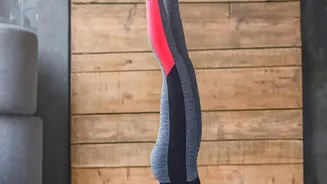
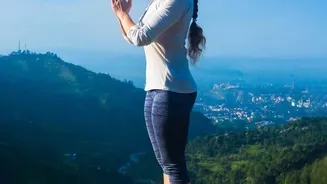
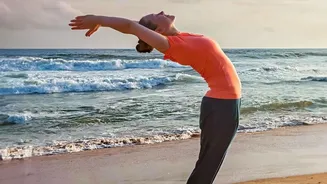
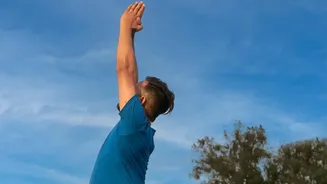
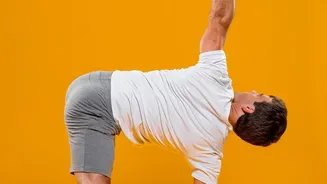
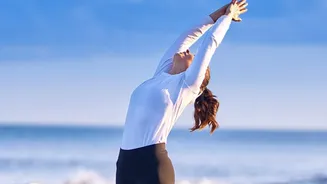
foundational poses that set the stage for the entire workout. The first three steps—Pranamasana (Prayer Pose), Hastauttanasana (Raised Arms Pose), and Padahastasana (Hand to Foot Pose)—work together to establish balance and initiate movement. Pranamasana centres your mind and body. Hastauttanasana then provides a deep stretch to the abdominal muscles and the entire front of the body while activating the shoulders. As you transition into Padahastasana, you hinge at the hips for an intense stretch along the hamstrings and spine. This initial trio awakens the body, improves spinal flexibility, and prepares the muscles for the more demanding poses to follow.
Building Lower Body and Hip Strength
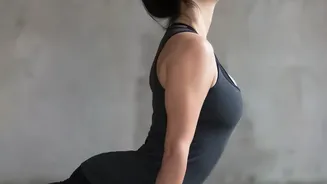
The fourth step, Ashwa Sanchalanasana (Equestrian Pose), is a deep lunge that targets the lower body. As you step one leg back and drop the knee, you create a powerful stretch in the hip flexors and quadriceps of the back leg, while the front leg's glutes and hamstrings are engaged to maintain stability. This pose is crucial for developing lower body strength and improving hip mobility, which can become restricted from prolonged sitting. The position also requires core engagement to keep the torso upright, initiating the core work that intensifies in the subsequent steps. The sequence repeats this lunge on the other side in the ninth step, ensuring a balanced workout for both legs.
Engaging the Core and Upper Body
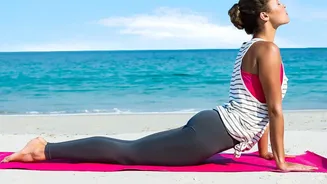
The middle section of Surya Namaskar is a powerhouse for building core and upper body strength. It starts with Dandasana (Plank Pose), where the body forms a straight line from head to heels, firing up the abdominal muscles, arms, and shoulders. From there, you move into Ashtanga Namaskara (Eight-Limbed Pose), where the chest and knees touch the ground. This pose is an excellent precursor to a full push-up, strengthening the chest, arms, and back. This is immediately followed by Bhujangasana (Cobra Pose), a back-bend that strengthens the spinal muscles, opens the chest, and stretches the abdomen. Together, this Vinyasa-like flow acts as a bodyweight strength-training circuit, toning the entire torso and arms without any equipment.
The Inverted 'V' for Active Recovery and Strength
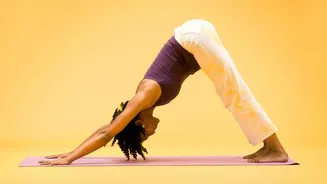
Adho Mukha Svanasana, or Downward-Facing Dog, appears twice in the sequence and serves as both a strengthening pose and an active recovery position. Known in some variations as Parvatasana (Mountain Pose), it creates an inverted 'V' shape with the body. This posture provides a deep stretch for the hamstrings, calves, and spine while simultaneously building strength in the shoulders, arms, and back as you press the floor away. It also improves blood circulation to the brain, which can help reduce stress and fatigue. Holding this pose allows for a moment of reset within the flow, elongating the muscles that were just contracted and preparing you for the sequence reversal.
The Magic of Rhythmic Flow
The true genius of Surya Namaskar lies not just in the individual poses but in their seamless, breath-synchronised transition. Moving fluidly from one posture to the next elevates the heart rate, turning the practice into an effective cardiovascular workout. This rhythmic flow builds stamina and endurance over time. Studies suggest that a round of Surya Namaskar can burn approximately 13.9 calories, making multiple rounds an efficient way to manage weight. The constant movement ensures that nearly every major muscle group in the body is engaged, from the arms and legs to the core and back, providing a truly comprehensive toning effect that isolated gym exercises often miss.