






Understanding Phu Quoc’s Two Seasons
Phu Quoc's weather is governed by a tropical monsoon climate, resulting in two primary seasons: a dry season and a rainy season. Unlike parts of mainland Vietnam, the island has its own weather patterns. Temperatures remain warm year-round, typically
averaging between 27°C and 35°C. The key difference for travellers lies not in the heat, but in the amount of rainfall, humidity, and the condition of the sea. This seasonal shift dramatically impacts everything from beach activities and water clarity to hotel prices and crowd levels. Understanding this rhythm is the first step to choosing your ideal travel window.
The Dry Season: November to April
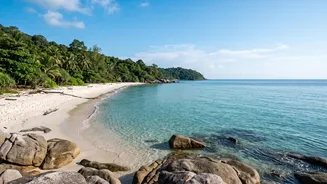
Often considered the best time to visit, the dry season from November to April offers the most idyllic holiday weather. During these months, you can expect clear blue skies, lower humidity, and calm, turquoise seas, especially along the popular west coast beaches like Long Beach. This period is perfect for sunbathing, swimming, and water sports like snorkelling and scuba diving, as water visibility is at its peak. It is the high season for tourism, which means the island is bustling with energy. The downside is that flights and accommodation are at their most expensive, and popular spots can be crowded. Booking several months in advance is highly recommended.
The Rainy Season: May to October
The rainy season, also called the green season, shouldn't be automatically dismissed. While it runs from roughly May to October, the rain often arrives in short, heavy downpours in the afternoon or overnight, rather than all-day drizzles. The main advantages of travelling during this time are significantly lower prices for resorts and fewer tourists, offering a more peaceful experience. The landscape becomes incredibly lush and vibrant, and waterfalls are at their most dramatic. However, humidity is high, and the seas, particularly on the west coast, can be rough, which may restrict some boat tours and swimming. Interestingly, some beaches on the east and south coasts, like Sao Beach and Khem Beach, can remain calmer during this period.
The Shoulder Months: A Smart Trade-Off
For travellers looking for a balance of good weather, fewer crowds, and better prices, the shoulder months are an excellent choice. These transitional periods include late October to November and April to early May. In November, the rains are subsiding, and the island is green and fresh before the peak season crowds arrive. In April and May, you'll still find plenty of sunshine before the monsoon fully sets in, though temperatures can be at their hottest, reaching up to 35°C. These months represent a sweet spot, allowing you to enjoy many of the dry season's benefits without the peak season's price tag.
Matching the Season to Your Travel Style
Ultimately, the best time to visit depends on your priorities. For the classic sun-and-sand beach holiday with guaranteed good weather for activities like island hopping, the dry season (December to March) is unbeatable. If you are a budget-conscious traveller, prefer a quieter, more relaxed atmosphere, and don't mind the occasional rain shower, the rainy season (May to October) can be incredibly rewarding. For those who want a bit of both—decent weather and reasonable prices—the shoulder months of April, May, and November offer the most strategic value.