





The Rise of the 'Skintellectual'
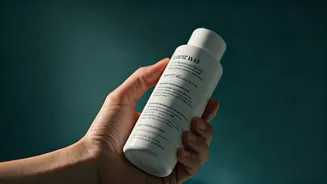
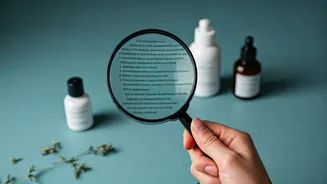
A new type of consumer is taking over the beauty aisles: the 'skintellectual'. Armed with smartphones and a healthy dose of skepticism, these shoppers approach beauty with a scientific mindset. They aren't swayed by celebrity endorsements or luxurious
packaging; instead, they scrutinize ingredient lists, research clinical studies, and value efficacy above all else. This movement, largely driven by Millennials and Gen Z, reflects a broader cultural shift towards authenticity and scientific validation. Thanks to endless information on social media, blogs, and forums, consumers are more educated than ever about what they put on their skin. They’ve learned to spot pseudo-science and are demanding that brands provide genuine, verifiable results.
Decoding Vague Marketing Claims
For years, beauty marketing has been a masterclass in ambiguity. Phrases like "clinically proven" and "dermatologist-tested" are slapped onto packaging to imply scientific credibility. However, these terms often lack a standardized, regulated meaning. "Clinically proven" can simply mean a product was tested on people in a controlled setting, but the rigor of that testing can vary dramatically—from a small consumer perception survey to a large-scale, peer-reviewed study. It doesn't automatically guarantee the gold standard of clinical trials you might imagine. Similarly, "dermatologist-tested" often just means a dermatologist has reviewed and approved the product, not that they conducted extensive research on it. Savvy buyers are now asking critical questions: How many people were in the study? For how long? And what were the average results, not just the best-case scenarios?
The Power of Ingredient Transparency
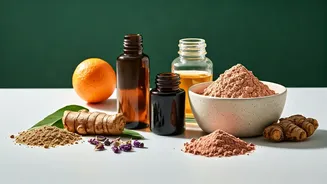
The new beauty mantra is transparency. Consumers want to know exactly what is in their products, where the ingredients come from, and the science behind them. This has led to an ingredient-led shopping boom, where people search for specific actives like retinol, niacinamide, peptides, and hyaluronic acid rather than just brand names. This shift is forcing brands to be more open about their formulations and even their manufacturing processes. The 'clean beauty' movement, which prioritizes non-toxic and ethically sourced ingredients, is a major driver of this trend. Consumers are actively avoiding chemicals like parabens and sulfates, and they are looking for certifications that prove a product's safety and ethical standing. This demand for honesty is building greater trust and loyalty between brands and their customers.
How Brands Are Responding to the Demand for Data
The most innovative beauty brands are leaning into this new reality. Instead of relying on vague promises, they are using data and science as core parts of their marketing. Some brands now provide QR codes on packaging that link to detailed information about ingredient sourcing and clinical trial results. Others are leveraging AI and big data to create hyper-personalized skincare routines, analyzing everything from a customer's selfie to their local weather data to recommend the perfect products. Social media is no longer just for celebrity ads; it's a platform for education, where brands collaborate with dermatologists and cosmetic chemists—the new 'skinfluencers'—to explain the science behind their formulas. This data-driven approach is also making the industry more sustainable, as better demand prediction reduces waste and overproduction.