


From Bean to Bar: A New Philosophy
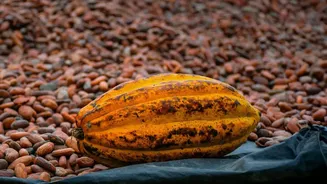
The term “bean-to-bar” signals a radical shift from industrial chocolate. It means the maker controls every step of the process, from sourcing the raw cacao beans directly from farmers to roasting, grinding, and moulding the final bar. This hands-on approach
ensures higher quality, transparency, and a connection to the origin of the cacao. Unlike mass-market bars, which often blend beans from various unknown sources and use additives, bean-to-bar chocolate focuses on purity and flavour. The goal is to express the unique characteristics of the cacao itself, much like single-origin coffee or wine. This movement champions traceability, ethical sourcing, and a celebration of craftsmanship.
The Terroir of South India
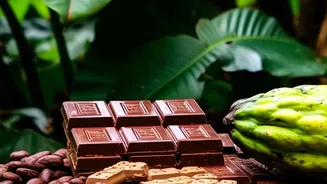
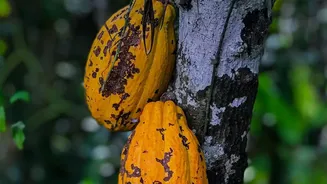
Southern India, with its tropical climate and fertile soil, offers a perfect environment for growing high-quality cacao. The key states in this emerging chocolate map are Kerala, Karnataka, Tamil Nadu, and Andhra Pradesh, where cacao is often grown as an intercrop alongside coconut, spice, and areca nut plantations. This biodiversity is crucial, as the surrounding flora influences the final flavour of the beans. Cacao from the Idukki district in Kerala, for instance, is known for its spicy and fruity notes, shaped by the pepper vines and fruit trees it grows amongst. This concept of “terroir”—the way a specific environment shapes flavour—is central to the single-origin movement, giving Indian chocolate a unique identity.
Pioneers of Indian Craft Chocolate
Several brands have been instrumental in putting Indian craft chocolate on the map. Mason & Co, based in Auroville, was one of the early pioneers, creating organic, vegan chocolate and focusing on building a local bean-to-bar community. They work with an all-female workforce and source their beans from organic farms in the south. Another key player is Soklet, a “tree-to-bar” maker in Tamil Nadu that grows cacao on its own plantations, giving it complete control from cultivation to the final product. Other notable names like Paul and Mike in Kochi experiment with unique Indian flavours like jamun and sitaphal, while Pascati in Mumbai is recognized for being one of India's first certified organic and Fairtrade chocolate makers.
A Taste of True Craftsmanship
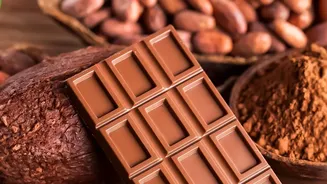
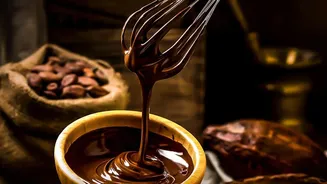
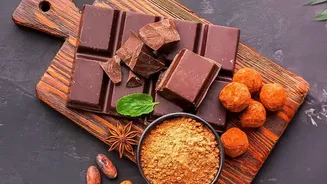
Making bean-to-bar chocolate is an art form. The process begins with carefully selected, fermented, and dried cacao beans. These beans are then roasted to develop their complex flavour profile. After roasting, the beans are cracked, and the outer shells are removed in a process called winnowing. The remaining pieces, or nibs, are slowly ground for hours or even days in a machine called a melanger. This lengthy grinding process, known as conching, refines the texture and develops the flavour. Finally, the liquid chocolate is tempered—a precise heating and cooling process that gives the finished bar its glossy sheen and satisfying snap. This meticulous process highlights the natural notes of the bean, which can range from fruity and floral to nutty and earthy.
Reaching the Modern Kitchen
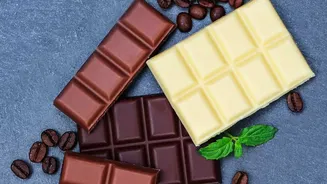
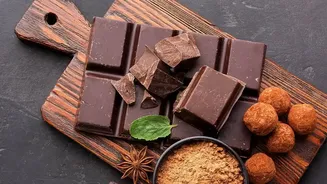
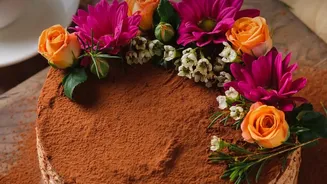
While still a niche market, single-origin Indian chocolate is finding its way into the hands of discerning consumers, chefs, and home bakers. Beyond being enjoyed as a simple bar, this high-quality chocolate is elevating desserts and savoury dishes alike. Brands now offer specialized baking bars, cacao nibs for sprinkling, and pure cacao powder for drinks and recipes, encouraging culinary experimentation. Chocolatiers are also creating inclusion bars that pair Indian-origin cacao with local ingredients like Gondhoraj lime, masala chai, and Alphonso mango, creating flavours that are both innovative and deeply rooted in Indian culinary memory. This trend is not just about a new product; it's about fostering a new appreciation for chocolate as a premium, versatile ingredient.