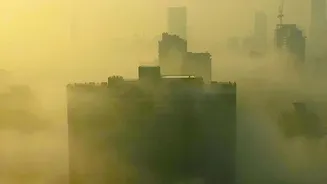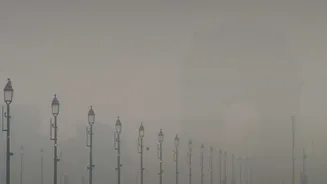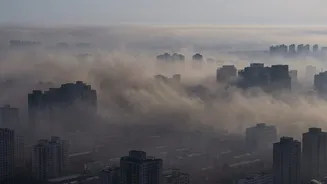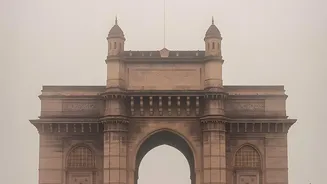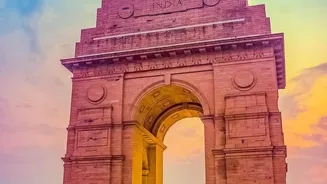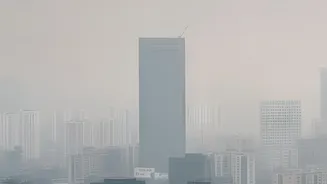





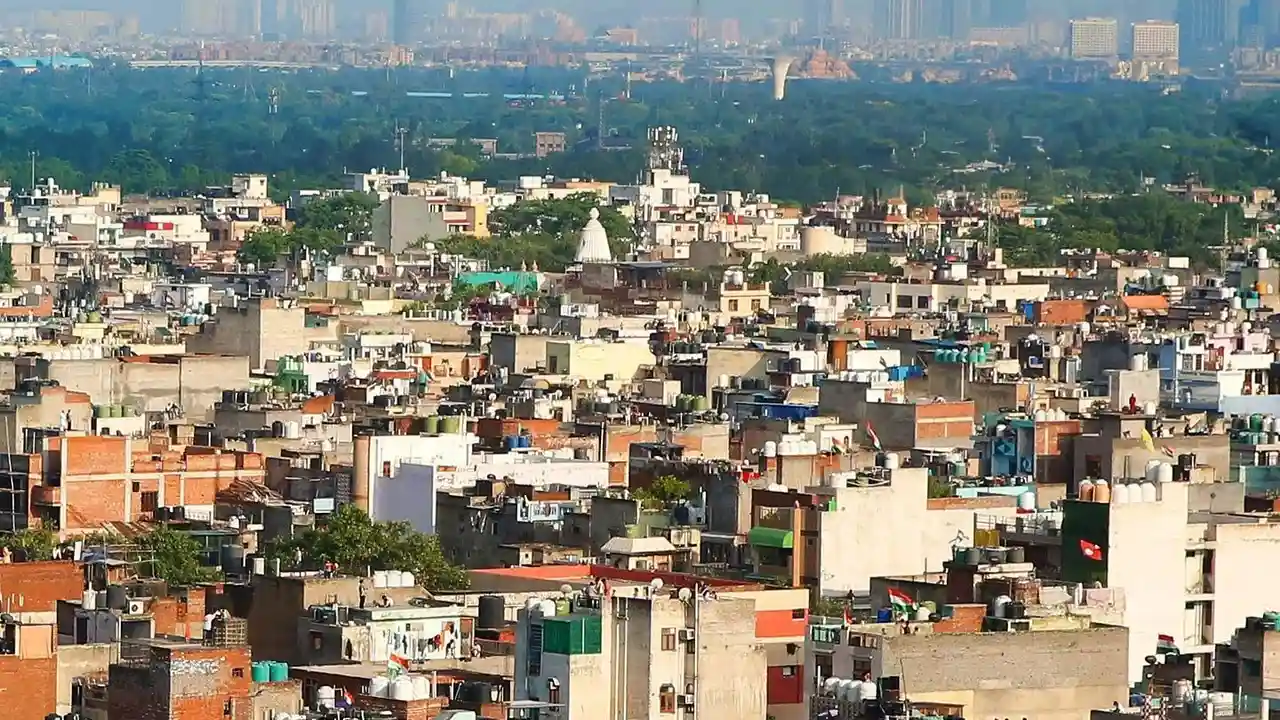
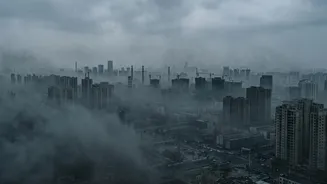
As winter descends on Delhi, a familiar grey haze blankets the city, a visible reminder of a crisis that runs deeper than a seasonal cough. The air, thick with pollutants, is not just a health hazard but a thief of urban wellbeing.
An Ever-Present Health Hazard
The most immediate and
well-documented impact of Delhi’s toxic air is on physical health. On November 12, 2026, the city's Air Quality Index (AQI) was recorded in the 'very poor' category, with some areas tipping into 'severe'. These are not just numbers; they represent a direct assault on the body. Hospitals report a surge in patients with respiratory distress, but the damage is far more extensive. Studies have consistently linked high pollution levels in Delhi to increased risks of cardiovascular events, hypertension, itchy eyes, skin irritation, and even gastrointestinal issues. For children, the impact is particularly devastating. Prolonged exposure can stunt lung development, leading to reduced capacity and a higher vulnerability to asthma and other chronic diseases later in life. The air they breathe today could quite literally shorten their tomorrow.
A Cloud Over Mental Wellbeing
Beyond the lungs and heart, Delhi's pollution casts a long shadow over the mental health of its citizens. A growing body of research highlights a strong correlation between exposure to pollutants like PM2.5 and an increase in anxiety, depression, and cognitive decline. One study found that periods of high pollution were associated with a significant rise in self-reported low mood and anxiety. This phenomenon, sometimes dubbed 'pollution anxiety', stems from a constant worry about one's health and the health of loved ones. The feeling of being trapped, the inability to step outside for a walk, and the constant hum of air purifiers creates a state of chronic environmental stress. For the elderly, it can accelerate cognitive decline, while for children, it can manifest as irritability and difficulty concentrating.
The Staggering Economic Cost
The pervasive smog also carries a hefty price tag, draining the economy from multiple directions. One analysis estimated that India loses about 1.36% of its GDP annually due to the health impacts of air pollution, with Delhi recording the highest per-capita loss. These costs manifest as increased healthcare expenditure, lost workdays, and reduced productivity. When air quality plummets, authorities often implement the Graded Response Action Plan (GRAP), which includes halting construction and restricting vehicle use. While necessary, these measures disrupt supply chains and hit daily-wage workers the hardest. Businesses, from local traders to large restaurants and retailers, report a significant drop in customers as people choose to stay indoors, further stifling economic activity.
A Disrupted Daily Life
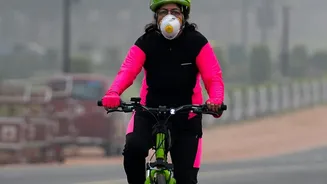
Ultimately, the pollution crisis fundamentally alters the texture of daily life in the city. The simple joys of urban living—a morning jog, children playing in a park, or an evening stroll—become calculated risks. During periods of severe pollution, residents are advised to limit outdoor exposure, especially strenuous activities. This forces life indoors, straining social connections and personal freedom. Studies have shown that during high-pollution days, there are greater odds of people missing school, work, and social events. Life becomes a series of defensive manoeuvres: checking the AQI before opening a window, wearing N95 masks for even brief trips outside, and investing in expensive air purifiers for a semblance of a 'clean air sanctuary' at home. This constant vigilance and confinement take a toll, eroding the overall quality of life and sense of place.