



The Philosophy of Fasting Foods
In Indian culture, fasting is a method of purifying the body and mind to aid spiritual practices. The diet followed, often called 'farali' or 'vrat ka khana', centres on sattvic principles—foods that are light, pure, and easy to digest. This is why common
grains like wheat and rice, which are considered heavy and can slow digestion, are typically avoided. Instead, the focus shifts to fruits, dairy, and a special category of pseudo-cereals and seeds that provide sustained energy without creating sluggishness. These foods are believed to support a state of mental clarity and balance, making them ideal for periods of reflection and devotion. Makhana, Kuttu, and Rajgira are star players in this culinary tradition.
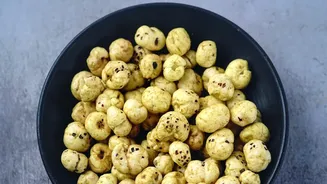
Makhana: The Humble Powerhouse
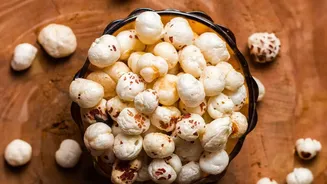
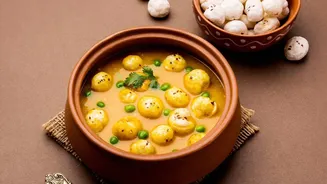
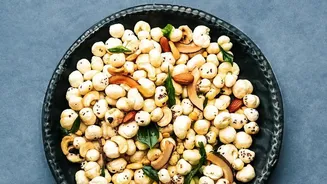
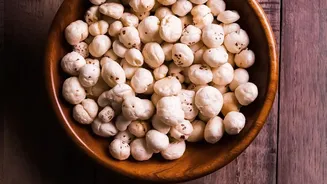
Makhana, or fox nuts, are the popped seeds of the lotus flower and have been part of traditional Indian diets for centuries. Considered a sattvic food, they are light, crunchy, and incredibly nutritious, making them a go-to snack during fasts like Navratri and Ekadashi. Nutritionally, makhana is a standout. It is low in calories and fat but rich in protein, fibre, calcium, magnesium, and potassium. This impressive profile helps maintain energy levels, supports bone health, and regulates blood pressure. Its high fibre content aids digestion and keeps you feeling full longer, preventing unhealthy cravings. Beyond just being roasted with a sprinkle of rock salt, makhana is versatile enough for curries and kheer.
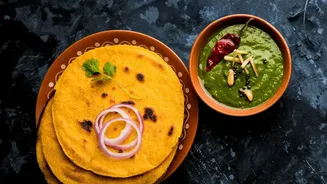
Kuttu: The Versatile Pseudocereal
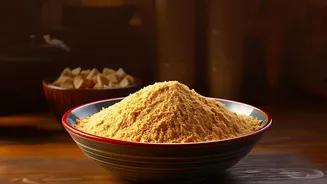
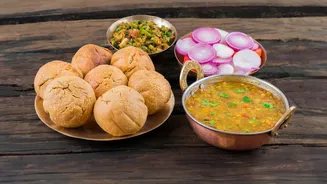
Despite its name, buckwheat, or kuttu, is not a type of wheat. It is a gluten-free pseudocereal derived from the seeds of a flowering plant. Its flour, known as kuttu ka atta, is a cornerstone of vrat cooking. Kuttu is nutritionally dense, offering high-quality plant protein that contains all nine essential amino acids. It is also an excellent source of dietary fibre, magnesium, and antioxidants like rutin, which supports heart health. With a low glycaemic index, it helps manage blood sugar levels by releasing energy slowly. During fasts, it's most famously used to make puris, parathas, and savoury pancakes (cheelas), providing a filling and nourishing meal.
Rajgira: The Royal Grain
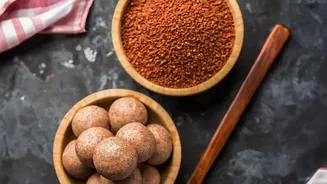
Rajgira, also known as amaranth or 'Ramdana' (God's seed), is another gluten-free pseudocereal celebrated in fasting traditions. It has a distinguished history as a staple food for ancient civilizations like the Aztecs and is considered a superfood for its exceptional nutritional value. Rajgira is one of the few plant sources to provide a complete protein profile, making it highly valuable, especially in vegetarian diets. It is packed with iron, calcium, magnesium, and fibre. This helps boost haemoglobin levels, strengthen bones, and promote digestive health. Rajgira flour is used to make rotis and pooris, while its popped seeds are used in popular sweets like ladoos and chikkis.
Ancient Grains in Modern Kitchens
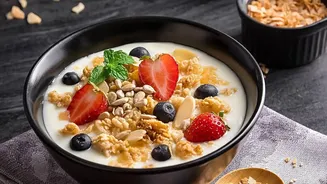
While deeply rooted in tradition, these three ingredients are finding new life in modern, health-conscious kitchens year-round. Their gluten-free nature and impressive nutritional credentials make them excellent alternatives to processed grains. Chefs and home cooks are increasingly incorporating makhana into trail mixes, kuttu into pancakes and noodles, and rajgira into energy bars and breakfast porridges. This renewed appreciation proves that the wisdom behind vrat food culture—focusing on nutrient-dense, natural ingredients—is timeless and aligns perfectly with contemporary wellness goals.