



The Core Difference: Process is Everything
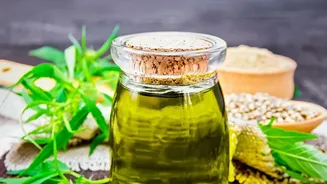
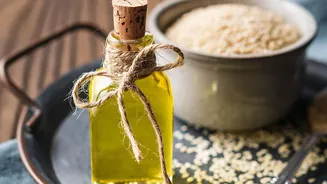
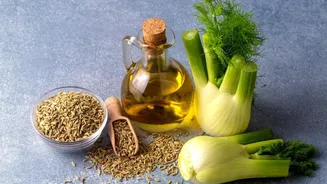
The main distinction between cold-pressed and refined oils lies in how they are made. Cold-pressed oils, including traditional 'wood-pressed' or 'kachi ghani' methods, involve crushing seeds or nuts at low temperatures without chemicals. This gentle,
mechanical process ensures the oil retains its natural flavour, aroma, and, most importantly, its nutrients like antioxidants and vitamins. Refined oils, on the other hand, undergo an intense industrial process. They are often extracted using high heat and chemical solvents like hexane, then bleached and deodorised to create a neutral-tasting oil with a long shelf life. This aggressive processing strips away many of the beneficial nutrients.
A Question of Nutrients
From a nutritional standpoint, cold-pressed oils have a clear advantage. Because they are minimally processed, they are rich in essential fatty acids (like Omega-3 and Omega-6), antioxidants, and Vitamin E, which help fight inflammation and support heart health. The refining process, however, significantly reduces these valuable compounds. Some studies show that up to 80% of an oil's natural antioxidant content can be lost during refining, leaving behind a product that primarily offers empty calories. While refined oils aren't inherently toxic, they lack the protective, health-boosting properties found in their cold-pressed counterparts.
The Smoke Point Puzzle
Here's where it gets tricky. Smoke point is the temperature at which an oil begins to smoke and break down, releasing potentially harmful compounds. Indian cooking often involves high temperatures for methods like deep-frying puris or making a sizzling tadka. Generally, refined oils have a higher smoke point (often above 225°C) because the impurities that burn at lower temperatures have been removed. Cold-pressed oils typically have lower smoke points (around 160°C to 190°C), making them seem less suitable for high-heat cooking. However, this doesn't mean they're off-limits; it just means you have to be smarter about how you use them.
Hack 1: The Dual-Oil Strategy
The healthiest and most practical approach for an Indian kitchen isn't to pick one 'winner' but to use a dual-oil strategy. Keep two types of oil: a cold-pressed oil for everyday low-to-medium heat cooking and a suitable high-smoke-point oil for occasional deep-frying. For your daily sabzis, dals, and light sautéing, a cold-pressed groundnut or mustard oil is excellent. This ensures you get maximum nutrients in the food you eat most often. For deep-frying those occasional treats like pakoras or samosas, a refined oil like sunflower or rice bran oil, or even ghee, is a more stable choice due to its high smoke point.
Hack 2: Master Your Tadka
A tadka, or tempering, is the soul of many Indian dishes. It's often done at high heat, but it doesn't have to be. To preserve the nutrients in your cold-pressed oil (like mustard, sesame, or groundnut oil), heat it on a medium flame. Wait until it's just hot enough for the spices to sizzle and release their aroma, then immediately add it to your dish. You don't need roaring heat to extract flavour from mustard seeds or cumin. This small adjustment protects the oil's delicate nutrients while still delivering that essential aromatic punch.
Hack 3: The Right Oil for the Right Dish
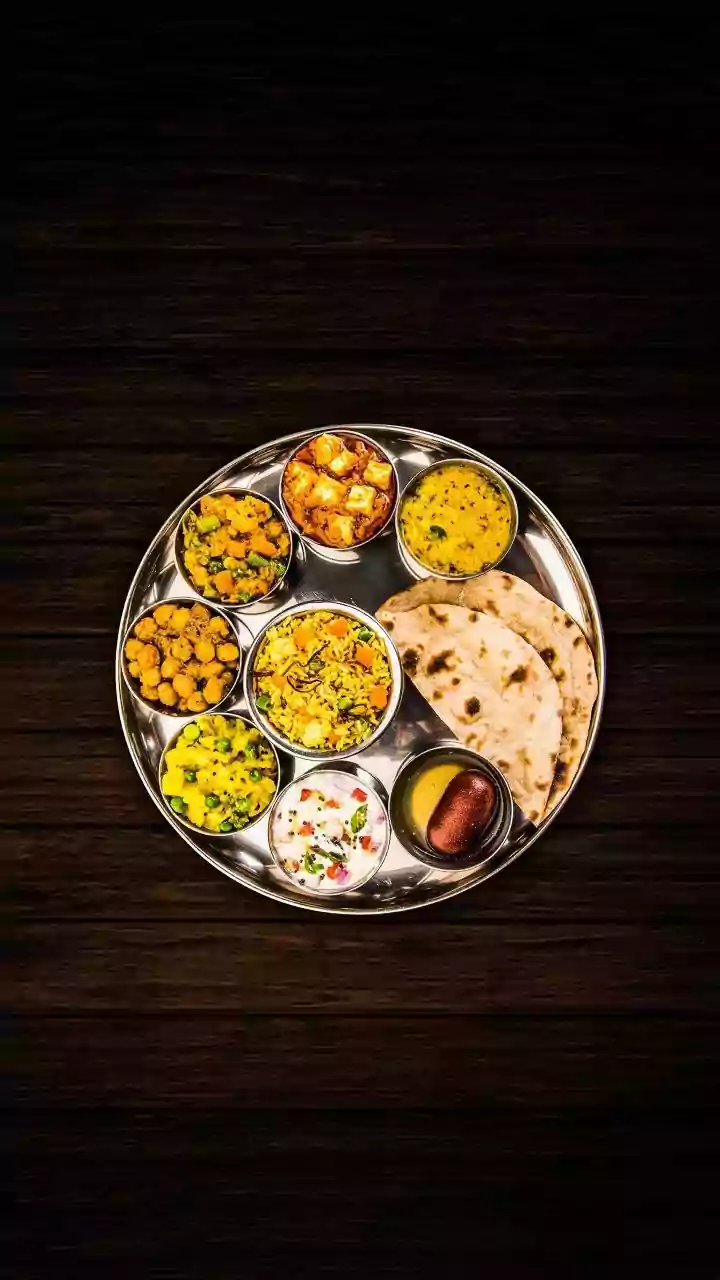
Traditional Indian cuisine has always used different oils for different purposes. Embrace this wisdom. Use pungent, flavourful cold-pressed mustard oil for pickles and classic Bengali or Punjabi dishes. Use nutty cold-pressed groundnut oil for everyday sabzis and stir-fries. Aromatic cold-pressed coconut oil is perfect for South Indian curries and poriyals. For drizzling over salads or cooked dishes to add a final burst of flavour and nutrients, unrefined oils like cold-pressed sesame or flaxseed oil are fantastic choices.