




The Billion-Dollar Wastage Problem
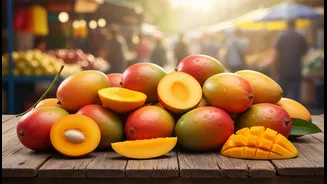
India is an agricultural powerhouse, one of the world's largest producers of fruits and vegetables. Yet, a staggering amount of this bounty, estimated to be 30-40% for certain items, spoils before it can be eaten. The primary culprit is a broken or non-existent
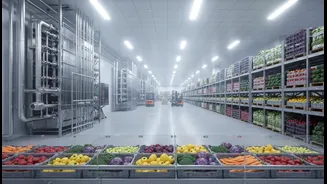
cold chain. A cold chain is an uninterrupted, temperature-controlled supply line—from refrigerated storage at the farm to chilled transport trucks to climate-controlled warehouses. Without it, perishable goods like fruits, vegetables, and dairy begin to decay almost immediately after harvest, especially in India's hot and humid climate. This leads to massive financial losses, estimated to be worth thousands of crores annually, and deprives farmers of the true value of their labour.
Arunachal's Untapped Potential
Arunachal Pradesh, with its rich soil and diverse agro-climatic zones, is a horticultural goldmine. The state is ideal for growing high-value crops like kiwis, oranges, large cardamom, and ginger. However, farmers here face immense challenges. The hilly terrain, lack of proper roads, and a near-complete absence of modern storage and marketing infrastructure mean that getting their produce to market is a race against time they often lose. Many are forced to sell their crops at throwaway prices to the nearest buyer, unable to access more lucrative distant markets. This has historically trapped farmers in a cycle of low income and limited growth, despite the high quality of their produce.
The Mega Food Park Solution
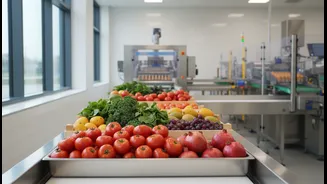
Enter the Rongoge Mega Food Park. Inaugurated in July 2026 at Dolikoto, near Banderdewa, this is not just a large warehouse but a comprehensive ecosystem designed to tackle the post-harvest problem head-on. Developed under a scheme by the Ministry of Food Processing Industries, it operates on a 'hub-and-spoke' model. The central park—the 'hub'—is equipped with state-of-the-art facilities like cold storage, ripening chambers, quality control labs, and processing lines. This hub is fed by numerous Primary Processing Centres or 'spokes' located in villages, which act as collection points where produce is aggregated, sorted, and pre-cooled before being sent to the main facility. This integrated chain ensures produce remains fresh from farm to factory.
A Game-Changer for Farmers and the Economy
The impact of the Mega Food Park is poised to be transformative. By providing a direct link from farm to processing and then to market, it drastically reduces spoilage and ensures farmers get better prices. The park will house around 35 food processing units, with major companies expected to set up operations, creating a ready market for local produce. This will encourage farmers to diversify into high-value crops, knowing they have a reliable buyer and the infrastructure to preserve their harvest. Beyond agriculture, the project is a major step towards industrialisation for the state, promising to generate significant employment, boost entrepreneurship, and build a more self-reliant economy for Arunachal Pradesh.