



Defining Premium Nostalgia
So, what exactly is ‘premium nostalgia’? It’s the art of curating a romanticised, highly stylised version of the past and selling it as a high-end experience. It’s not about being genuinely old, but about feeling authentically old-fashioned. Think less
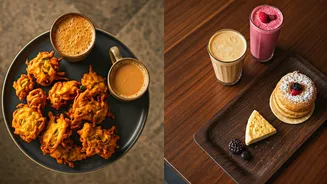
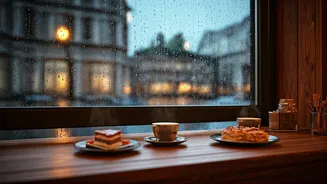
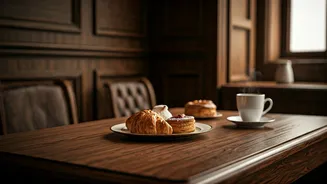
dusty antique shop, more impeccably designed movie set of a bygone era. These cafes meticulously craft an atmosphere that evokes a collective, often idealized, memory. This can be seen in everything from the furniture—distressed wood tables and mismatched cane chairs—to the cutlery, like enamel plates and old-school copper mugs. The 'premium' part comes from the execution: high-quality ingredients, sophisticated recipes that elevate simple dishes, artisanal coffee, and, of course, a price point that reflects the curated experience rather than just the food and drink itself. It’s nostalgia, but polished, perfected, and made palatable for the modern urban consumer.
The Psychology of Craving Yesterday
The appeal of this trend runs deep. In today’s hyper-fast, digitally saturated world, there's a growing hunger for authenticity and comfort. The past, viewed through the soft filter of memory, represents a simpler, more grounded time. For many millennials and Gen Z patrons, who may not have even directly experienced the era being referenced, this nostalgia offers a sense of connection and heritage. It’s a comforting escape from the relentless pressure of the present. Visiting a cafe that feels like a classic Irani joint or a colonial-era bungalow provides a temporary sanctuary. The emotional resonance is powerful. It taps into a collective yearning for the warmth of community, the joy of simple pleasures, and the feeling of being rooted in a story larger than oneself. This emotional connection is what turns a one-time visit into a loyal habit.
From Irani Chic to Retro Cool
Across India's metros, this trend is in full bloom. Chains like SodaBottleOpenerWala masterfully recreated the fading charm of Mumbai's Parsi and Irani cafes, serving classics like Berry Pulao and Vada Pav in a quirky, modern setting that became an instant hit. In Bengaluru, you'll find cafes with decor reminiscent of old government quarters, serving filter coffee alongside avocado toast. The Bombay Canteen in Mumbai built its entire philosophy on rediscovering and celebrating India’s regional, often forgotten, culinary traditions with a refined, contemporary flair. It's not just about aesthetics; it's on the menu. We see the revival of dishes like Shrewsbury biscuits, mawa cakes, and classic Indian sandwiches, but made with better ingredients and presented for the Instagram grid. Even the music often harks back to classic Bollywood or Indian jazz, completing the immersive sensory experience.
A Smart Strategy in a Crowded Market
Here’s where ‘weapon’ comes in. The urban cafe market is incredibly saturated. A new spot opens almost every week, and competing on coffee quality or price alone is a losing battle. Premium nostalgia offers a powerful differentiator. It provides a unique selling proposition (USP) that goes beyond the tangible. It’s selling an emotion, a story, and a vibe. This allows cafes to build a strong brand identity that stands out from the minimalist, industrial-chic aesthetic that has dominated for years. This distinct theme also creates a powerful marketing tool. The highly photogenic interiors and beautifully presented food are practically designed to be shared on social media. Every Instagram post becomes a free advertisement, attracting new customers who want to experience that same curated vibe. It justifies a higher price, turning a simple coffee run into a memorable outing.