






The Safety Blind Spot: A Call for Light
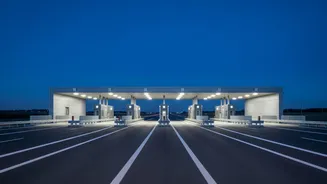
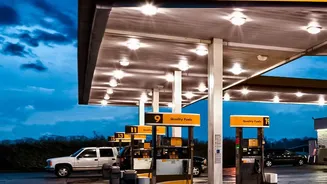
Any driver who has been flagged down on a poorly lit stretch of highway at night knows the feeling of apprehension. Dimly lit checkpoints are a significant safety hazard. For motorists, sudden stops in the dark can lead to confusion and accidents, as drivers
may swerve abruptly. For police personnel, standing on dark roads for hours makes them vulnerable to passing traffic. Research consistently shows that adequate lighting dramatically reduces nighttime crash rates at intersections and along road segments. The US Federal Highway Administration notes that at night, drivers may not see hazards in time to stop, a problem that proper illumination can solve. Beyond preventing collisions, good lighting is crucial for the very function of the check. It allows officers to clearly see documents, inspect vehicles, and accurately assess situations, while also providing a sense of security for the public. As some police guidelines have noted, special drives should be carried out in well-lit areas, and officers should wear reflective jackets and use LED batons at night for visibility.
A Matter of Dignity: The Washroom Deficit
The absence of clean, accessible washrooms along India's highways is a well-documented crisis, and roadside checks often amplify this problem. Families with children, the elderly, and especially women are left in a vulnerable position during prolonged stops. The lack of facilities forces many travellers, particularly women, to restrict their intake of food and water, which can lead to adverse health outcomes like urinary tract infections. Many have to resort to asking locals or paying hotels to use their facilities, while others face the indignity of open urination. The issue is so pervasive that the National Highways Authority of India (NHAI) has a 'Clean Toilet Picture Challenge' to encourage the public to report unclean facilities at toll plazas. While a welcome step, this doesn't solve the problem at temporary checkpoints. Planning for roadside stops must include provisions for basic sanitation. This isn't a luxury; it's a fundamental aspect of treating citizens with dignity and ensuring public health.
More Than an Inconvenience: The Impact on Policing
The challenging conditions at many checkpoints don't just affect the public; they also hamper the effectiveness and well-being of law enforcement officers. Working long shifts in the dark, exposed to the elements and traffic, without access to basic amenities like toilets, takes a physical and mental toll. An officer who is focused on their own discomfort or safety is less likely to conduct a thorough and professional check. Providing a safe, well-lit environment with access to sanitation is an investment in the police force's own efficiency and morale. This allows them to focus on their primary duties of ensuring road safety and preventing crime. A well-equipped checkpoint is a sign of a professional and prepared police force, which can help build public trust rather than foster resentment.
A Practical Path Forward
Integrating practical considerations into the planning of every roadside stop is not complicated. It simply requires a shift in perspective. Authorities should adopt a formal checklist as part of their operational planning, a mini 'Road Safety Audit' for every checkpoint. This audit should mandate minimum standards for illumination, ensuring the area is visible from a safe distance. It should also require a plan for sanitation, whether through arrangements with nearby establishments like petrol stations or the provision of temporary mobile toilets. Such audits, which are formal examinations to identify potential safety issues, are a proactive way to prevent problems before they arise. Clear signage placed well in advance of a checkpoint can also reduce abrupt braking and improve traffic flow. By making these practical elements non-negotiable, we can transform roadside checks from a source of anxiety and risk into a more effective, safe, and respectful process for all.