



The Myth of More Work
For too long, 'healthy' has been misunderstood as complicated, bland, or time-consuming. We picture hours of chopping exotic vegetables or hunting for expensive ingredients. The reality is that creating nourishing versions of beloved Indian classics is less
about overhaul and more about smart, simple tweaks. It’s about working with the pantry you already have and making small changes that deliver big on both health and taste, without adding to your workload. The goal is to enjoy the food you love, guilt-free, on any given Tuesday, not just on special occasions.
Rethink Your Grains and Flours
One of the simplest, lowest-effort changes starts with your base ingredients. Instead of using only refined white flour (maida) for parathas or rotis, switch to whole wheat (atta) or multigrain flour. This small swap significantly boosts the fibre content, helping you feel fuller for longer. You don't need to change your kneading technique; you can even make the dough softer by adding a bit of curd or milk. For rice dishes like khichdi or pulao, consider mixing in millets or using brown rice. These are easy substitutions that require no extra preparation time but add valuable nutrients.
Get Smart With Fats
Indian cooking is famous for its rich, flavourful gravies, often laden with ghee, butter, and cream. But richness doesn't have to come from heavy fats. For a creamy texture in dals and curries, swap out heavy cream for full-fat yogurt, coconut milk, or a paste made from blended cashews or almonds. When tempering (tadka) or frying, simply use less oil. A non-stick pan or applying oil with a brush instead of pouring it can drastically reduce the amount needed without compromising on the crispiness of a paratha or the flavour of your masala. Another trick is to use water or vegetable stock to prevent masalas from sticking to the pan, instead of adding more oil.
Pack in More Vegetables
Bulking up your meals with vegetables is a classic health tip, and it doesn't have to mean more work. Finely grating vegetables like carrots, cauliflower, or spinach into your paratha dough is a quick way to add nutrients and moisture. For dishes like pav bhaji or keema, you can increase the ratio of vegetables to the main ingredient. This not only adds fibre and vitamins but also makes the dish more filling. Using frozen mixed vegetables can save you significant chopping time. Similarly, enriching your stuffing for parathas with protein-rich options like crumbled paneer, tofu, or lentils is another simple, effective strategy.
Case Study: The Effortless Healthy Dal Makhani
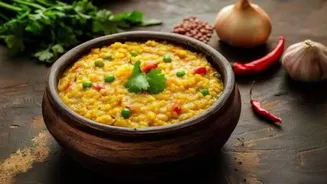
Dal Makhani is the ultimate comfort food, but it's traditionally known for being heavy with butter and cream, and requiring hours of slow cooking. A healthier, quicker version is entirely possible. Start by pressure-cooking the black lentils (urad dal) and kidney beans, which drastically cuts down cooking time. To achieve that signature creaminess without the cream, blend in some full-fat coconut milk, oat milk, or even a paste of soaked cashews at the end. You can get a rich, buttery flavour from a much smaller amount of ghee or plant-based butter used in the final tadka, focusing on aromatic spices like cinnamon and cardamom to build deep flavour. The result is a dal that feels just as indulgent but is significantly lighter and ready in a fraction of the time.