


The Science of a Food-Fuelled Feeling
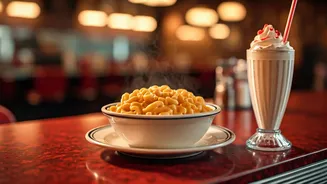
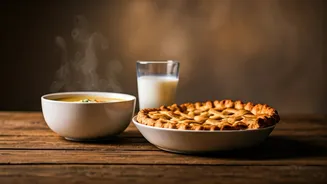
That instant feeling of comfort from a childhood dish is not just in your head; it's a complex neurological phenomenon. The brain regions that process taste and smell have a uniquely close relationship with the hippocampus and amygdala—the centres for memory
and emotion. This is why a specific flavour or aroma can instantly transport us back in time, triggering vivid memories and the emotions associated with them. In a world that often feels overwhelming, the consistency and comfort offered by these 'comfort foods' become highly desirable. This creates a powerful opportunity for brands to move beyond simply selling a product and instead offer a feeling of safety, connection, and emotional ease.
From Proust to Profit: Marketing with Memory
This deep emotional connection is a marketer's most powerful tool. Nostalgia marketing, as it's known, leverages these feelings by using retro packaging, bringing back discontinued products, or simply telling stories that tap into a collective past. The goal is to build an emotional connection that fosters brand loyalty and trust. Research shows this strategy is highly effective, as it can reduce price sensitivity and make advertising feel more relatable. It appeals not just to older generations reliving their youth, but also to younger consumers who romanticise past eras they never experienced. In India, a country with deeply layered cultural and family traditions around food, this approach is particularly potent.
The Nostalgia Menu in Action
Across India, businesses are successfully proving that memory sells. Beverage brand Paper Boat built its entire identity on reviving traditional drinks like aamras and jaljeera, wrapped in evocative storytelling. The relaunch of classic soda brands has tapped into a powerful stream of collective memory. Long-standing brands like Parle-G and Dabur have maintained their market positions for decades by being a consistent part of Indian households. It's also happening in the restaurant space. Instead of just chasing global trends, many successful establishments are finding success by serving authentic, regional, and homestyle food that reminds diners of their mother's cooking. One diner at a New York restaurant serving authentic southern Indian food was reportedly moved to tears, saying she hadn't tasted her mother's cooking in years. This is the power that novelty struggles to compete with.
The Short Shelf-Life of Novelty
This is not to say there is no place for innovation. Novelty creates buzz, drives social media engagement, and can attract adventurous eaters. However, a business model built solely on chasing the 'next big thing' is fraught with risk. Trends, by their nature, are fleeting. The cronut gives way to the rainbow bagel, which is then replaced by the charcoal latte. Constant reinvention is expensive and exhausting, and it can alienate a core customer base that values consistency. Relying only on novelty is like building a house on sand; the foundation is always shifting. While a new fusion dish might get people in the door once, it is the classic, perfectly executed dal makhani that fosters the kind of loyalty that lasts for generations.
Finding the Sweet Spot
The most successful brands often find a way to blend the two. They use their heritage as a foundation of trust and authenticity while innovating in a way that feels true to their identity. This could mean reformulating a classic recipe with healthier, plant-based ingredients or presenting a traditional dish in a modern, convenient format. Many legacy Indian brands are reinventing themselves not by changing their core products, but by updating their packaging, creating more modern dining experiences, and using social media to tell their story to a new generation. They understand that nostalgia isn't about being stuck in the past; it's about using the emotional power of the past to build a stronger future.