



What is a Freestanding Larder?
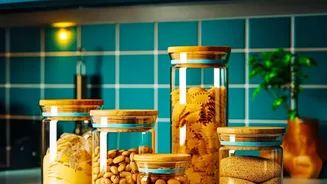
Before modern refrigeration, a larder was a cool room or large cupboard for storing perishable foods. Today, its role has evolved. A freestanding larder is a standalone piece of furniture—a tall, often deep cabinet designed to house all your dry goods,
from spices and grains to snacks and small appliances. Unlike built-in pantries, it's not attached to the wall, offering the flexibility of a beautiful piece of furniture with the storage capacity of a small storeroom. Think of it as a wardrobe for your food, designed to consolidate clutter behind beautifully crafted doors.
Why Are Larders Making a Comeback?
The return of the larder is a response to how our kitchens have changed. In open-plan living spaces, where the kitchen is always on display, there's a strong desire to keep countertops clear and visual noise to a minimum. A larder excels at this, hiding everything from cereal boxes to a stand mixer in one organised place. There is also a design shift towards a softer, 'unfitted' look that mixes furniture styles rather than relying on uniform, wall-to-wall cabinetry. A freestanding larder adds personality and a timeless, lived-in charm that built-in units can't always match.
The Benefits of Larder Living
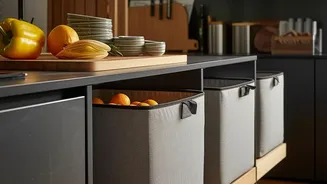
The primary advantage of a larder is superior organisation. By dedicating one space for all dry goods, you can see what you have at a glance, which helps with meal planning and reduces food waste. Functionally, they are incredibly valuable, offering a mix of adjustable shelves, deep drawers, and door-mounted spice racks to ensure everything has its place. This frees up other kitchen cabinets for pots, pans, and dishes. Furthermore, their flexibility is a major plus; they can be moved when you rearrange your space or taken with you when you move homes, making them a practical investment for renters and homeowners alike.
Choosing Your Perfect Larder
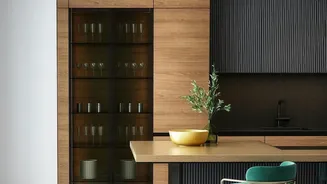
When selecting a larder, first consider size and placement. Measure your available space carefully, including height and door swing clearance. A tall, slim unit can fit a surprising amount in a small footprint, making it ideal for compact kitchens. Next, think about the interior configuration. Do you need deep drawers for appliances, narrow shelves for tins, or extensive spice racks on the doors? Look for adjustable shelving to accommodate items of different heights. Finally, consider the style. A larder can be a statement piece. Choose a bold, contrasting colour to create a focal point, or opt for a natural wood finish for warmth and character.
More Than Just Food Storage
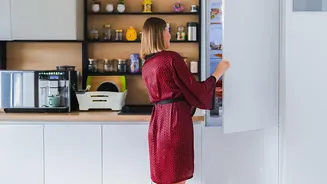
Modern larders are incredibly versatile and can be adapted to your lifestyle. With the addition of internal plug points, a section of your larder can become a dedicated breakfast station, housing the toaster, coffee machine, and cereals. It could also be configured as a baker's cupboard, with a cool marble or granite shelf for pastry work and deep drawers for flour and sugar. For those who entertain, a larder can be transformed into a sophisticated drinks cabinet, complete with wine racks and glass holders. The beauty of a larder is its ability to be customised for whatever purpose you need most.