
What Exactly Are BS-VII Norms?
Bharat Stage Emission Standards are government-instituted regulations to control the output of air pollutants from internal combustion engines. After successfully transitioning to BS-VI in 2020, India is now looking ahead to BS-VII. According to a draft
notification from the Ministry of Road Transport and Highways, these new norms will be phased in, starting with passenger cars and SUVs manufactured from April 1, 2029. This next stage aims to be more comprehensive, targeting not just what comes out of the tailpipe but also other sources of pollution and ensuring vehicles stay clean throughout their operational life.
The Biggest Change: Real-World Testing
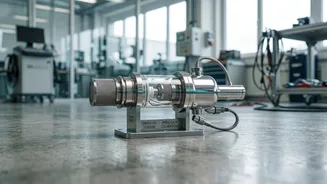
The most significant update under the proposed BS-VII framework is the intense focus on Real Driving Emissions (RDE). While BS-VI introduced RDE testing, BS-VII aims to make it far more stringent. Starting from April 2030, vehicles will be tested with portable equipment while being driven on actual roads under various conditions, not just in a controlled laboratory setting. The goal is to ensure a vehicle's emissions in the real world match its performance in the lab, with a proposed 'conformity factor' of 1.0, meaning there is no extra margin for emissions on the road compared to the lab limits.
Beyond the Exhaust Pipe
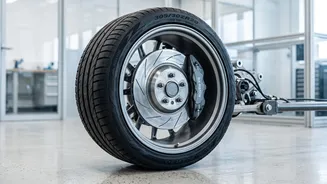
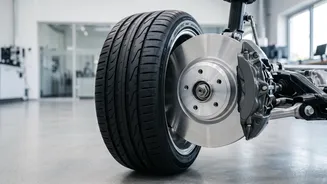
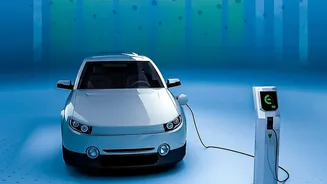
For the first time, Indian emission standards will look beyond the engine. The BS-VII proposal introduces regulations for non-exhaust emissions, which are a significant source of particulate pollution. This includes particles generated from brake wear and tyre abrasion. These rules will apply even to electric vehicles, which have no tailpipe emissions but still produce particles from brakes and tyres. The phased rollout proposes limits on brake-particle mass starting from April 2031.
What Pollutants Are Being Targeted?
The BS-VII norms will continue to target harmful pollutants like nitrogen oxides (NOx), carbon monoxide (CO), hydrocarbons, and particulate matter (PM). While the core emission limits for most of these pollutants in passenger cars may not change drastically from BS-VI levels, the method of measurement will become stricter. For example, the rules will now count much smaller, ultrafine particles—down to 10 nanometres from the current 23-nanometre threshold—which can penetrate deeper into human lungs. Heavy-duty vehicles like trucks and buses are expected to face more significant emission reduction targets of 20-50%.
Impact on Car Buyers and Owners
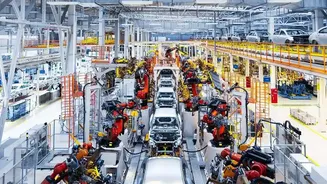
These advanced regulations will likely come at a cost. Automakers will need to invest in more sophisticated engine technology, advanced sensors, and better filtration systems to comply, which is expected to increase the final price of new vehicles. The norms also mandate advanced On-Board Diagnostics (OBD) and On-Board Monitoring (OBM) systems to track emissions in real-time. Furthermore, the proposal includes durability requirements, ensuring emission control systems work effectively for up to 160,000 km or 8 years. For electric vehicles, there are new rules for battery durability, requiring them to retain a certain percentage of their capacity over time.
What Happens to Existing Cars?
If you own a car, including a BS-VI compliant model, these new rules will not affect you directly. The proposed BS-VII standards will only apply to vehicles manufactured after the implementation dates, starting in 2029. There is no requirement to retrofit older vehicles or take them off the road. The phased rollout, which extends to 2035 for some regulations, is designed to give the auto industry adequate time to adapt to the new technological demands.