




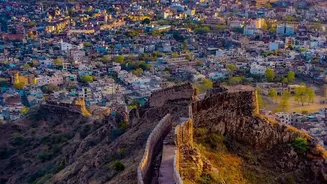
The City Is Not a Concrete Jungle
For many species, a city is a hostile environment. But for a select few, it's a landscape of opportunity. Urban areas, despite their concrete and steel, are not biological deserts. They offer a unique ecosystem with abundant resources, fewer natural predators,
and new kinds of shelter. From the rhesus macaques of Delhi to the leopards of Mumbai, animals that succeed in these environments do so because they can play by a new set of rules. They are not just intruders but have become a functioning part of the city's ecosystem. This process, known as synurbization, describes how wildlife adapts to and thrives in urban settings.
The Survival of the Adaptable
The single most important trait for an urban animal is adaptability. Cities are constantly changing, and animals that can adjust their behaviour have a distinct advantage. This includes changing their diet, activity patterns, and even how they communicate. For example, many urban animals become nocturnal to avoid humans and traffic. Some birds in noisy cities have learned to sing at a higher pitch to be heard over the low-frequency rumble of urban life. This behavioural flexibility allows them to exploit new opportunities, whether it's a carelessly discarded food container or a previously inaccessible nesting spot.
Generalists Win the Urban Race
In the animal kingdom, there are specialists and generalists. Specialists have a very specific diet or habitat requirement, like a bird that only eats one type of insect. Generalists are the opposite; they can eat a wide variety of foods and live in many different places. Cities favour generalists. An animal like a raccoon or a crow, which is omnivorous and can eat everything from fruit and insects to discarded leftovers, will find a city to be a non-stop buffet. A specialist, on the other hand, will likely struggle as its specific food source disappears with urbanisation.
A Different Kind of Intelligence
Surviving in a city requires a certain cleverness. Urban environments are complex and present novel challenges that animals in the wild don't face, like navigating traffic or figuring out how to open a secured rubbish bin. Research suggests that species with bigger brains, and thus greater behavioural adaptability, tend to do better in cities. Urban animals often display impressive problem-solving skills and the ability to learn. This can be seen in crows that use cars to crack nuts or in monkeys that learn to steal food from unsuspecting tourists. They are not just surviving; they are learning and innovating.
An Accidental Invitation
In many ways, we have rolled out the welcome mat for urban wildlife. Our cities provide a wealth of resources that animals have learned to exploit. Overflowing bins and food waste offer a reliable food supply. Buildings, bridges, and drainage pipes provide shelter from the elements and a safe place to raise young, often better protected from natural predators than a traditional den. Even our green spaces, from small parks to large municipal gardens, act as stepping stones or corridors, allowing wildlife to move through and colonise the urban landscape. This unintentional hospitality makes city life a surprisingly attractive option for many resilient species.