





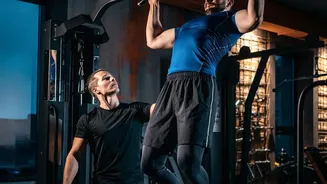
The goal of fitness is shifting. It’s less about how the body looks and more about what it can do. Enthusiasts are embracing functional strength training not just to lift heavy, but to live better, one grocery haul at a time.
Strength for Life, Not Just the Gym
For years, strength training
was often associated with bodybuilding or achieving a certain physique. The goal was aesthetic, focused on isolating muscles to build size. But a smarter, more practical approach has gained momentum: functional strength training. This philosophy is built around a simple yet powerful question: 'how does this exercise help me in my everyday life?'. The focus is on training movement patterns, not just muscles. It involves compound exercises that engage multiple joints and muscle groups simultaneously, preparing your body for real-world tasks like carrying heavy shopping bags, lifting a child, or simply getting up from a chair without a groan.
The Core Functional Movements
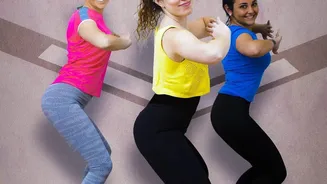
Functional training is built on mastering a few fundamental human movements that we use constantly. Experts identify several key patterns, including the squat, hinge, push, pull, and carry. A squat isn't just a gym exercise; it's the pattern you use to sit down and stand up. A hip hinge, the motion in a deadlift, is how you should safely bend over to pick something up. Pushing movements relate to everything from pushing a door open to putting a suitcase in an overhead bin, while pulling helps with tasks like starting a lawnmower or rowing. Finally, a loaded carry, like the farmer's walk, directly builds the strength needed for carrying groceries or luggage. Training these patterns builds a body that is resilient and capable.
Reducing Injury and Improving Posture
One of the most significant benefits of this approach is injury prevention. By strengthening muscles and joints through the actual ranges of motion you use daily, your body becomes better prepared to handle unexpected stresses. This can mean fewer tweaked backs from lifting a box incorrectly or a lower risk of falls due to better balance and coordination. Furthermore, functional strength training is a powerful tool for improving posture. Exercises that strengthen the core and posterior chain—the muscles on the back of your body like the glutes, hamstrings, and back muscles—help combat the 'desk slump' many people develop from sitting for long hours. A stronger back and core provide the support needed to hold the body in better alignment, reducing strain on the spine and neck.
Making Daily Life Feel Easier
Ultimately, the reason for this trend is the tangible improvement in quality of life. Everyday activities simply start to feel easier. Stairs seem less daunting, furniture can be rearranged without fear, and playing with kids on the floor is more enjoyable when you know you can get back up effortlessly. This approach builds what's often called 'real-world strength'. It boosts balance, flexibility, and coordination, all of which decline if not actively maintained. By training for function, fitness enthusiasts are ensuring their time in the gym pays dividends in every other hour of the day, helping them move with more confidence and less pain as they age.
How to Get Started
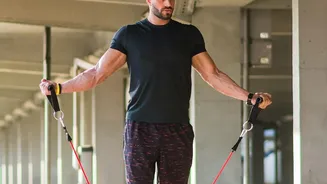
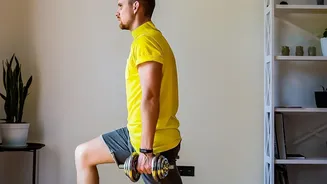
The beauty of functional strength training is its accessibility. You can start with just your body weight to master the fundamental movements like squats, lunges, and pushups before adding external resistance. The key is to prioritize quality of movement over the amount of weight lifted. Focusing on proper form builds a solid and safe foundation. For beginners, working with a certified trainer can be invaluable to ensure exercises are performed correctly. Simple tools like resistance bands, kettlebells, and dumbbells are all excellent for progressing, but the most important thing is to start with the basics and listen to your body.