


The End of the All-Inclusive Era?
For decades, the ideal honeymoon involved a flight to a popular tourist destination and a stay at a sprawling five-star resort. The appeal was clear: convenience, predictable comfort, and a sense of manufactured luxury. But for many modern couples, this
formula has begun to feel impersonal and uninspired. The desire for a unique story—one that isn’t shared with hundreds of other guests at the same infinity pool—is driving a significant shift in travel preferences. Couples are now seeking authenticity, privacy, and experiences that reflect their values. They don’t just want to see a place; they want to connect with it. This has paved the way for a new kind of romantic getaway, one that is both luxurious and deeply conscious.
What Is Eco-Luxury, Really?
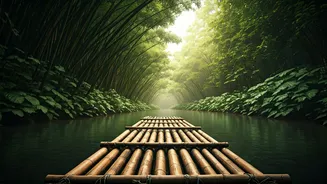
The term 'eco-luxury' might sound like a contradiction, but it defines this new travel trend perfectly. It’s not about sacrificing comfort for sustainability. Instead, it’s about integrating high-end hospitality with environmental responsibility. In the context of these secluded retreats, 'eco' means using locally sourced, natural building materials like mud, stone, and bamboo, which have a low carbon footprint and blend seamlessly with the landscape. It means employing local artisans, serving organic food grown on-site or sourced from nearby farms, and managing waste and water responsibly. 'Luxury' comes from the exclusivity, the personalised service, the thoughtful design, and the priceless experience of being immersed in nature without compromising on modern comforts like plush bedding, elegant bathrooms, and bespoke activities.
The Unique Allure of Mud Cottages
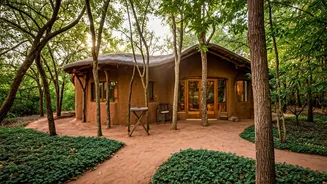
There's a certain magic to staying in an earthen building. Mud cottages, or 'rammed earth' structures, are not the primitive huts one might imagine. They are often architectural marvels, designed to be naturally cool in the summer and warm in the winter, reducing the need for air-conditioning or heating. The thick, textured walls create a peaceful, sound-proof cocoon, insulating couples from the outside world and fostering a sense of intimacy and calm. Aesthetically, they are stunning, with an organic, rustic-chic vibe that feels both grounded and sophisticated. Staying in a mud cottage is a sensory experience—the cool touch of the walls, the earthy scent after a light rain, and the feeling of being sheltered by nature itself.
Experiences Over Amenities
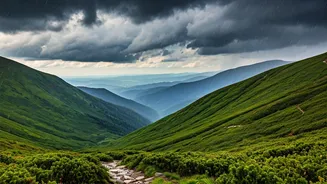
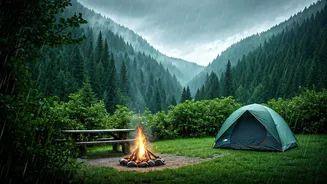
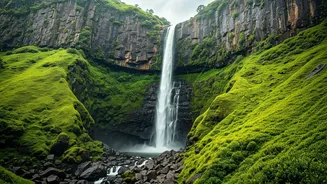
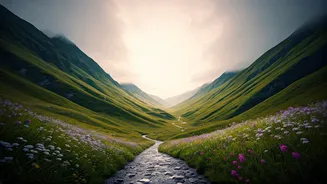
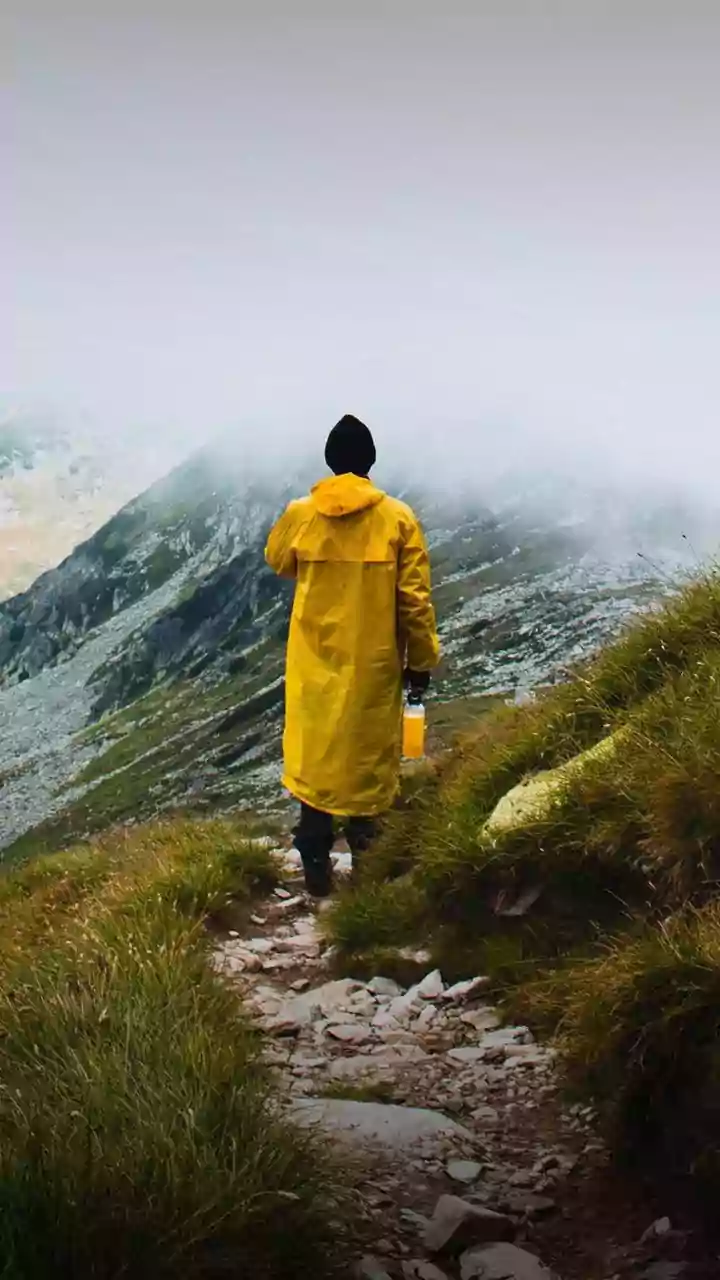
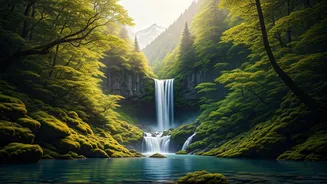
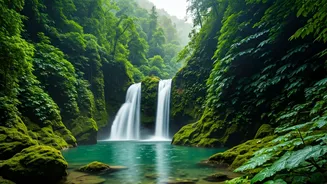
While a commercial resort’s main attractions might be its multiple swimming pools and a nightclub, an eco-luxury retreat offers a different menu of activities. The focus shifts from passive entertainment to active engagement with the surroundings. Imagine starting your day with a private yoga session overlooking a misty valley, followed by a guided nature walk to a hidden waterfall. Afternoons could be spent learning about organic farming, taking a pottery class with a local artisan, or simply reading a book in a private garden with no sounds but birdsong. Evenings are for stargazing by a bonfire and enjoying a farm-to-table meal cooked especially for you. These experiences create deeper, more lasting memories than another piña colada by a crowded pool.
Where to Find Your Earthly Paradise
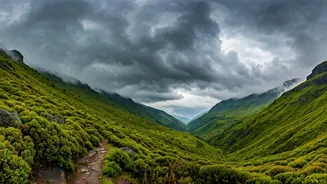
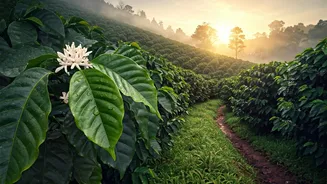
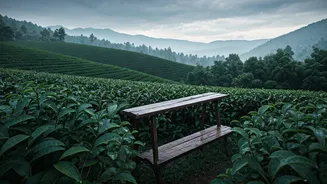
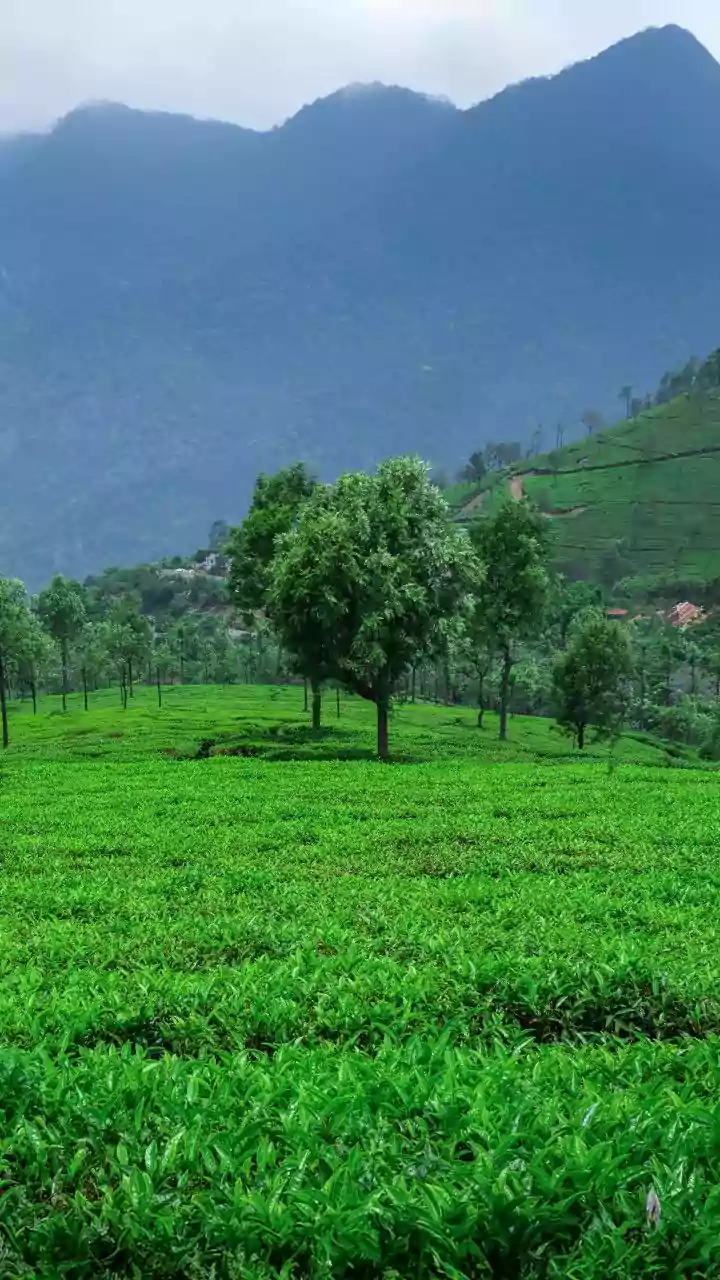
This trend is blossoming across India, particularly in regions celebrated for their natural beauty. In the serene hills of Kumaon in Uttarakhand or parts of Himachal Pradesh, you can find cottages that offer breathtaking Himalayan views. In the lush greenery of Wayanad in Kerala or the coffee plantations of Coorg in Karnataka, these retreats are tucked away in jungles and estates, offering a tropical paradise experience. Even in the arid landscapes of Rajasthan, boutique properties are championing traditional building techniques to create luxurious, sustainable desert escapes. The key is to look for small, owner-run properties that are vocal about their commitment to sustainability and community.