





The Heart of the Proposal
Goa's Forest Department has put forward a significant proposal to the Department of Environment and Climate Change: declare 24 of the state's beaches as official turtle nesting sites. This designation would bring them under the stricter regulations of the Coastal
Regulation Zone (CRZ) Notification of 2019. The move is not just a formality; it could pave the way for tighter controls on a wide range of coastal activities, particularly during the nesting season of the endangered Olive Ridley turtles. This has triggered an intense conversation among tourism stakeholders, local communities, and conservationists about the future of Goa's coastline.
Why the Change, and Why Now?
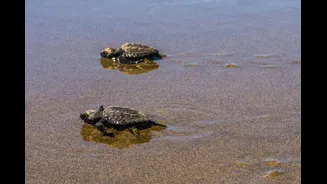
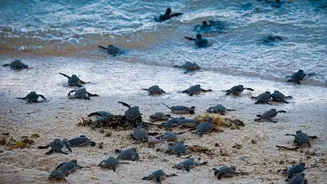
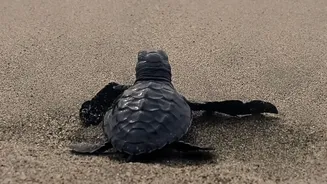
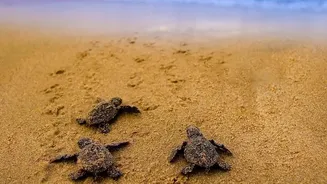
The primary motivation behind the proposal is conservation. Olive Ridley turtles are a protected species, and their nesting habitats are considered ecologically sensitive areas. The proposed regulations are a response to concerns over a decline in nesting numbers. According to Forest Department data, the 2026 season saw fewer nests and eggs compared to the previous year. For instance, Morjim beach, a key nesting ground, recorded a significant drop in the number of eggs laid compared to 2025. Artificial lighting, loud music from shacks and events, and general beach activity can disorient and deter nesting turtles and their hatchlings, making designated protection zones crucial for their survival.
Which Beaches Are on the List?
The proposal covers a wide swathe of Goa's most popular and commercially active coastlines. The 24 beaches are spread across both North and South Goa. In North Goa, the list includes major tourist hubs like Morjim, Mandrem, Ashvem, Arambol, Vagator, Baga, Calangute, and Candolim. The South Goa list is even more extensive, featuring 14 beaches such as Agonda, Galgibag, Palolem, Patnem, Cavelossim, and Varca. While Agonda and Galgibaga are already recognised as nesting sites, this new proposal would dramatically expand the regulated areas, covering virtually the entire Canacona coast.
Potential New Rules for Shacks and Events
If these beaches are formally designated as turtle nesting sites, activities could face significant restrictions, especially during the nesting season which typically runs from November to May. Potential new rules could include tighter controls or outright bans on artificial lighting, loud music, and vehicle movement on the beach after sunset. The operation of beach shacks, the hosting of events like weddings, and the placement of beach furniture could all be subject to stricter regulations. While the exact restrictions have not been finalized, the goal would be to minimize human disturbance to create a safe environment for the turtles.
A Livelihood at Stake
The proposal has sent waves of concern through Goa's tourism-dependent communities. Shack owners, fishermen, and other local business operators fear that the new rules could cripple their livelihoods. The Secretary of the Shack Owners Welfare Society, John Lobo, stated that declaring so many beaches as nesting sites is impractical and will affect the entire tourism industry. Stakeholders in Canacona have been particularly vocal, arguing that the move could 'kill tourism business at large'. They are demanding clarity and consultation, worried that blanket restrictions will be imposed without considering the economic impact on thousands of families who depend on the seasonal business.
The Search for a Middle Ground
The current situation represents a classic Goan dilemma: how to protect its precious natural heritage without undermining the economy that relies on it. Business owners and local representatives are not against conservation but are calling for a more balanced approach. They argue that a distinction should be made between activities that genuinely harm turtles and traditional livelihoods that have coexisted with nature for generations. Tourism bodies are set to submit formal memorandums to the government, urging officials to take locals into confidence before moving forward. The challenge for the government will be to formulate an environmental management plan that protects the Olive Ridleys while still allowing for a sustainable and regulated tourism economy.