







The Monsoon's Critical Role
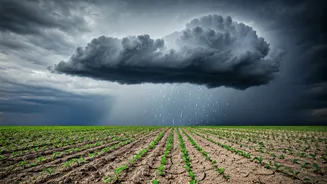
The southwest monsoon, which typically lasts from June to September, is the lifeblood of India's agriculture sector. It accounts for about 70% of the country's annual rainfall and is crucial for the Kharif or summer-sown crops. With nearly half of India's farmland
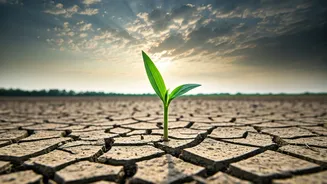
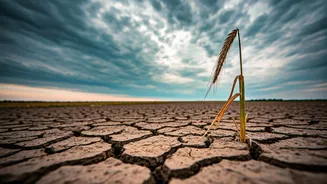
still dependent on rain-fed irrigation, a healthy monsoon is directly linked to farm incomes, rural prosperity, and stable food prices. This year, however, forecasts have been worrying. The India Meteorological Department (IMD) has projected rainfall at just 90% of the long-period average, with cumulative rainfall in June already showing a significant deficit of over 40%. This shortfall, linked to developing El Niño conditions, has set alarm bells ringing from the fields to the financial markets.
Which Foods Are Most Vulnerable?
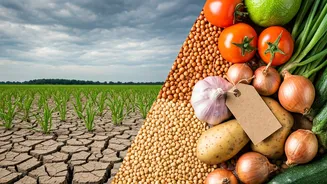
When rainfall is scarce, not all crops are affected equally. The most vulnerable are those grown predominantly in rain-fed areas with low irrigation cover. This puts staples like pulses (dal), coarse cereals, oilseeds, and certain vegetables directly in the line of fire. Experts warn that the poor spatial distribution of rain is particularly alarming, with key agricultural regions in central and western India expected to receive poor rainfall during the critical pod-filling stages in August and September. While government buffer stocks of rice and wheat are currently comfortable, these reserves do not extend to the same degree for pulses, oilseeds, and vegetables like onions and tomatoes. A sustained dry spell could, therefore, lead to a tightening supply of these kitchen essentials, pushing their prices upward.
The Journey from Puddle to Plate
The connection between a dry spell and a higher grocery bill is a classic story of supply and demand. Lower-than-expected rainfall disrupts sowing schedules and reduces crop yields. This leads to lower output from farms, creating a supply crunch in the wholesale markets or mandis. With less produce available, wholesale prices climb. This increase is then passed down the supply chain, from the wholesaler to the distributor, to the local retailer, and finally, to the consumer. Food inflation, which stood at 4.78% in May 2026, is already a concern for policymakers. A weak monsoon could exacerbate this pressure, with some economists estimating that a 10% rainfall deficit could add as much as one percentage point to headline inflation.
Beyond the Kitchen Budget
The impact of a poor monsoon extends far beyond household expenses. Agriculture is a cornerstone of the Indian economy, employing nearly half the workforce. Lower crop yields translate to reduced farm incomes, which in turn dampens rural demand for a wide range of goods, from tractors and two-wheelers to fast-moving consumer goods (FMCG). This slowdown in rural spending can have a moderating effect on the nation's overall GDP growth. Furthermore, rising food inflation can force the Reserve Bank of India to maintain a tight monetary policy, potentially delaying interest rate cuts that could spur economic activity.
Are There Any Buffers?
While the outlook is concerning, the situation is not without mitigating factors. Over the years, India has reduced its dependence on the monsoon, with irrigation coverage now extending to about 55% of cultivated land. The government has also initiated contingency plans, identifying vulnerable districts and preparing advisories for farmers to switch to more drought-tolerant crops like millets. Adequate reservoir levels from previous seasons and robust buffer stocks of rice and wheat provide a significant cushion against a widespread food grain crisis. However, experts caution that these buffers only partially offset a sustained hit to the production of non-cereal crops. The government may also use imports to ease price pressures on items like edible oils, but this is subject to global price fluctuations.