




The Appeal of a Natural Hack
In the world of beauty, 'natural' and 'sustainable' are powerful words. The idea of repurposing a fruit peel that would otherwise be discarded is undeniably attractive. Social media is filled with videos of people rubbing banana peels under their eyes
or using citrus rinds on their faces, claiming benefits from brightening and toning to reducing wrinkles. The logic seems simple: fruits contain vitamins, antioxidants, and enzymes, so their peels must be a direct path to radiant skin. For those looking to avoid synthetic chemicals and reduce household waste, it feels like a perfect, cost-free solution. However, what works in a professionally formulated cosmetic and what comes straight from the fruit bowl are two very different things.
The Hidden Risks of Citrus Peels
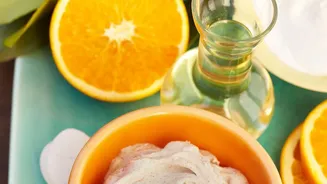
The biggest concern with DIY fruit peel masks involves citrus fruits like lemons, limes, and oranges. These peels contain compounds called furocoumarins and psoralens, which are phototoxic. This means that when they come into contact with your skin and are subsequently exposed to UV light from the sun, they can trigger a severe inflammatory reaction known as phytophotodermatitis. Sometimes called 'margarita burn', this reaction can cause redness, painful blistering, and swelling, often appearing 24 to 48 hours after exposure. Even without a full-blown reaction, the high acidity of citrus peels can disrupt the skin's delicate pH balance, leading to irritation, dryness, and itchiness. In some cases, the inflammation can result in long-lasting dark spots, a condition called post-inflammatory hyperpigmentation.
Why Winter Skin Is More Vulnerable
During winter, your skin is already under stress. Cold, dry air outdoors combined with central heating indoors strips the skin of its natural moisture, weakening its protective barrier. A compromised skin barrier is less effective at retaining hydration and protecting against external irritants. Signs of a weakened barrier include tightness, flaking, increased redness, and a stinging sensation when applying products that are normally well-tolerated. Applying a highly acidic or potentially irritating substance like a raw fruit peel to skin that is already compromised can significantly worsen these issues. Instead of a healthy glow, you might be left with increased sensitivity, severe dryness, or a painful rash.
What About Other Fruits?
While citrus is the main culprit, other fruit peels aren't entirely without risk. Banana peels, often touted online as a natural wrinkle-reducer, are generally considered lower risk but their benefits are not scientifically proven. Dermatologists note that any perceived tightening effect is likely due to tannins, which are natural astringents that can also be drying. Furthermore, peels can carry bacteria and pesticide residues that you may not want on your face. The rough texture of some peels can also cause micro-tears in the skin if rubbed too aggressively, leading to irritation. Peels from fruits like papaya contain powerful enzymes like papain, which exfoliate the skin but can be too harsh and cause irritation if used directly in their raw, unregulated form.
Safer Ways to Get a Fruity Glow
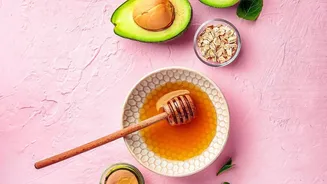
If you love the idea of incorporating fruit into your skincare, there are much safer ways to do it. Instead of applying peels directly, consider using the pulp of gentler fruits. For instance, mashing a ripe banana or avocado with a bit of honey can create a hydrating mask for dry winter skin. Always perform a patch test on a small area of skin before applying any new DIY mixture to your entire face to check for reactions. For the potent benefits of fruit acids and enzymes without the risks, it's best to rely on professionally formulated skincare products. These products use purified extracts in controlled concentrations that are designed to be effective and safe for the skin, offering benefits like exfoliation and brightening without the danger of a chemical burn or allergic reaction.