
The Challenge of Starlight
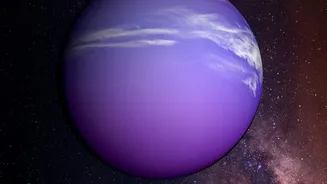
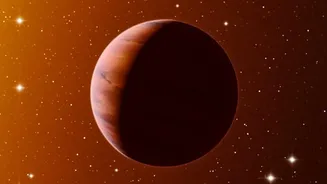
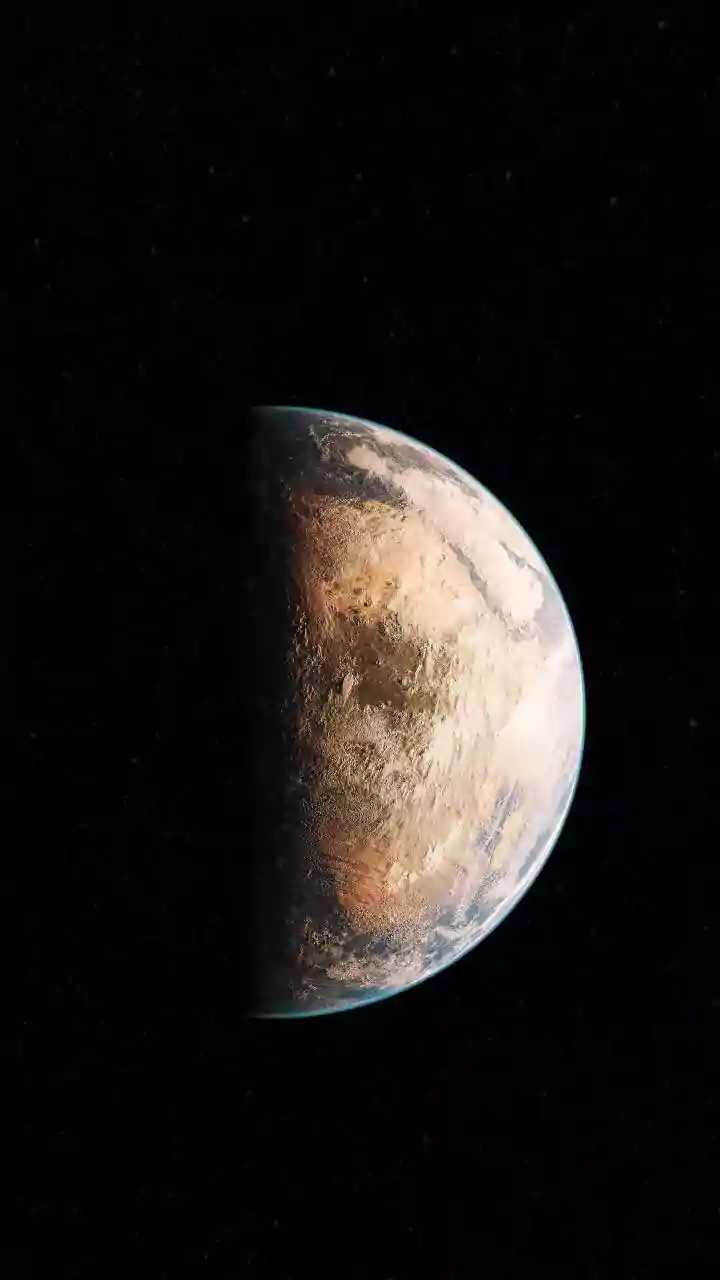
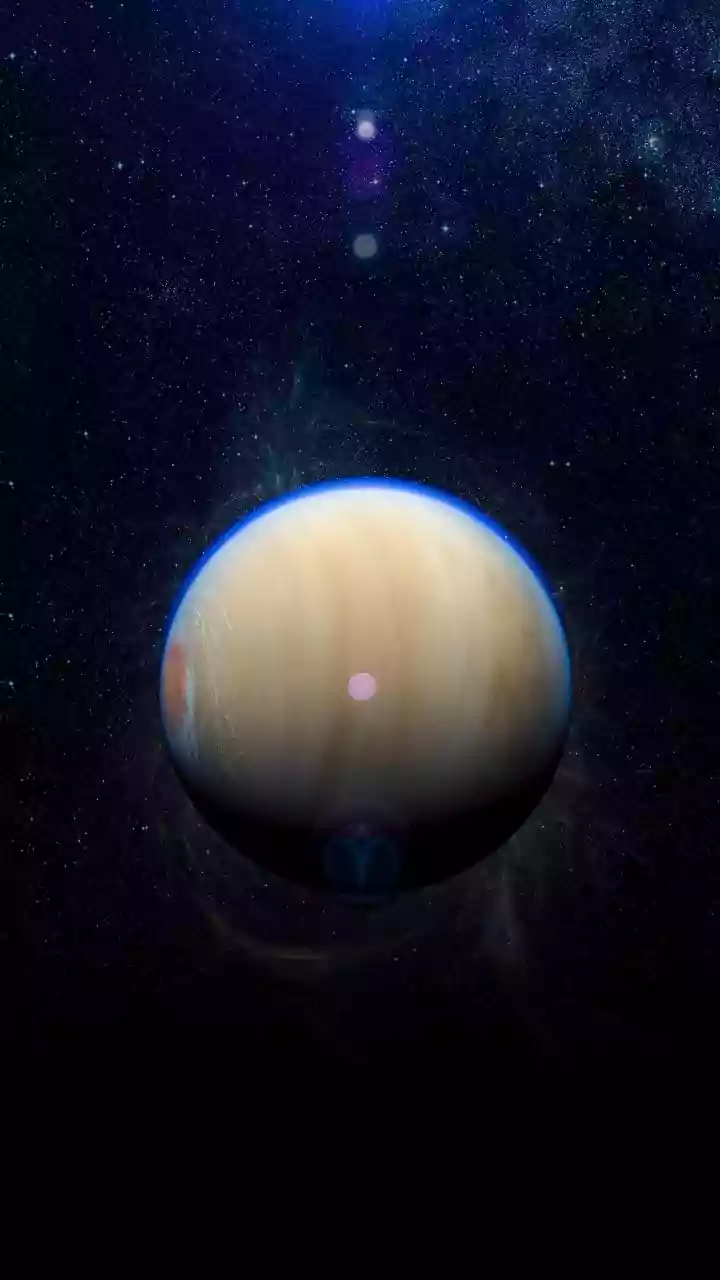
Exoplanets, or planets outside our solar system, are incredibly difficult to see directly. They are small, dim, and completely overwhelmed by the glare of the stars they orbit. So, instead of trying to take a direct picture of the planet's surface, scientists
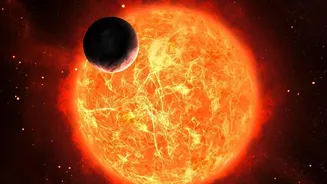
cleverly use the star's own light. The primary method used by JWST is called transit spectroscopy. A "transit" happens when an exoplanet passes directly in front of its star from our point of view, causing a tiny, temporary dip in the star's brightness. This is how many exoplanets are discovered in the first place.
Starlight Filtered Through an Alien Sky
During a transit, a minuscule amount of the starlight filters through the planet's atmosphere before it reaches the telescope. For a brief moment, that atmosphere acts like a filter, and the chemicals within it leave a tell-tale signature on the light itself. Think of it like shining a bright, white light through a coloured glass bottle—the light that comes out the other side is no longer pure white. The bottle has absorbed certain colours. An exoplanet's atmosphere does the same thing, but instead of absorbing broad colours, specific molecules absorb very precise wavelengths of light.
The Chemical Fingerprint
Every molecule and element, from hydrogen to water vapour, has a unique 'chemical fingerprint'. When light passes through a gas, the molecules in that gas absorb very specific parts of the light's spectrum. If you were to spread that starlight out into a rainbow—what scientists call a spectrum—these absorbed parts would appear as dark lines, almost like a barcode. Water (H₂O), for example, has a well-understood pattern of absorption lines. If JWST observes a star's light, and the 'barcode' for water is missing, it's a powerful indicator that the light has passed through an atmosphere containing water vapour.
Webb's Specialist Tools
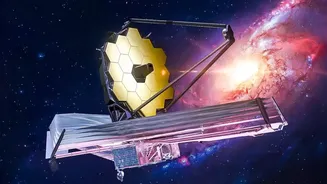
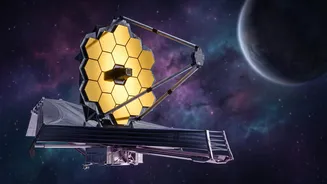
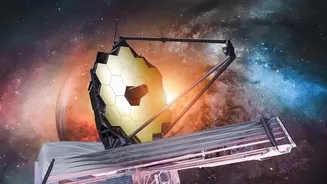
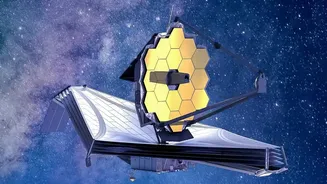
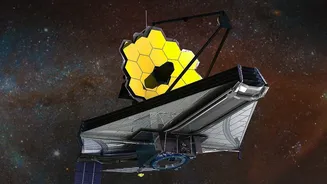
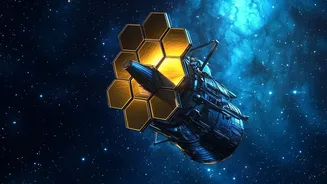
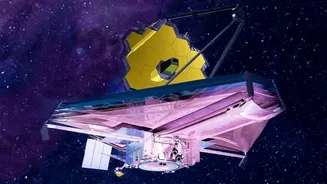
The James Webb Space Telescope is an infrared observatory, which makes it perfectly suited for this job. Many key molecules, including water, methane, and carbon dioxide, leave their strongest fingerprints in the infrared part of the spectrum. JWST uses several powerful instruments to capture these details. The Near-Infrared Spectrograph (NIRSpec) and the Near-Infrared Imager and Slitless Spectrograph (NIRISS) are two of its primary tools for exoplanet atmospheres. These instruments are incredibly sensitive spectrographs, essentially highly advanced prisms that can spread the faint, filtered starlight into a detailed spectrum for scientists to analyze. By combining data from these tools, astronomers can get the most complete picture of an atmosphere's composition.
From Spectrum to Science
Once the telescope captures the data, scientists get to work. They compare the spectrum of the star during the planet's transit to the spectrum when the planet is not transiting. The differences between the two reveal what was absorbed by the planet's atmosphere. By identifying the patterns of these absorption lines, they can confirm the presence of molecules like water vapour. Recent discoveries, such as the detection of water in the atmosphere of the 'steam world' GJ 9827 d and the sub-Neptune K2-18b, were made using this exact technique, showcasing the incredible power and precision of the JWST. It's a method that has revolutionised the study of worlds beyond our own.