





The Modern Gut Health Gold Rush
Walk down any supermarket aisle today and you’ll be greeted by a dazzling array of drinks promising to boost your gut health. Kombucha, kefir, and artisanal yogurts have become multi-billion dollar industries, with the global probiotics market valued
in the tens of billions and projected to grow. [6, 20] This modern wellness movement is built on the scientific understanding that a healthy gut microbiome—the community of beneficial bacteria in our intestines—is crucial for everything from digestion to immunity. [9] Brands have packaged this concept into convenient, often expensive, bottles. But the core principle of using fermented foods to support health is far from new; in fact, it's an ancient practice that has been perfected in Indian households for centuries. [12]
The Original Probiotics: Lassi and Chaas
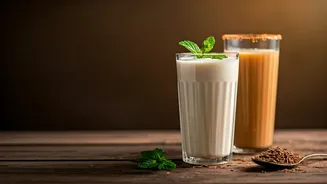
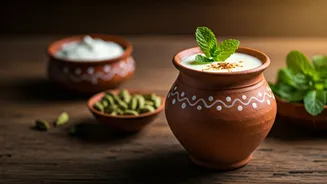
Long before the term 'probiotic' was coined, there was lassi and chaas. These yogurt-based drinks are perhaps the most famous of India's traditional fermented beverages. Chaas, or buttermilk, is a light, savory drink made by churning yogurt with water and spices like cumin and ginger. [19] Traditionally consumed after meals, it soothes the stomach, aids digestion, and cools the body. [3, 19] Lassi, its thicker and creamier cousin, is a blend of yogurt, water, and sometimes fruit or sugar. [15] Both are rich in naturally occurring probiotics, particularly Lactobacillus, which help maintain a healthy gut flora, reduce bloating, and boost immunity. [3, 5, 16] They represent a simple, daily ritual of wellness deeply embedded in the culture.
Beyond Dairy: The Potent Power of Kanji
The world of Desi probiotics extends well beyond dairy. Take, for example, Gajar ki Kanji, a fermented drink popular in North India, especially during winter and the festival of Holi. [1, 8] This vibrant, tangy beverage is traditionally made by fermenting black carrots, mustard seeds, and salt in water for several days in the sun. [1, 2, 4] The fermentation process, driven by the mustard seeds, creates a drink that is not only delicious but also a powerhouse of gut-friendly bacteria. [2, 10] Mentioned in ancient Ayurvedic texts, Kanji is a testament to the region's deep understanding of fermentation for both flavour and health, serving as a digestive aid and a seasonal tonic. [4]
Humble Origins, Powerful Benefits: Fermented Rice Water
Perhaps the most humble and accessible probiotic drink is fermented rice water, known by various names like Pazhamkanji in Kerala or Panta Bhat in Bengal. [3, 11, 21] This simple concoction is made by soaking leftover cooked rice in water overnight. [11, 14] By morning, the mixture has lightly fermented, creating a cooling, nourishing drink rich in B-vitamins and beneficial bacteria. [11, 25] It was traditionally the breakfast of farmers and laborers, providing sustained energy and hydration for a long day of physical work. [11, 14] This zero-waste practice demonstrates that probiotics in ancient India were not a luxury but a fundamental part of everyday sustenance, accessible to everyone.
Ancient Wisdom Meets Modern Science
What our grandmothers knew through intuition is now being validated by modern science. The fermentation process in all these traditional drinks creates a wealth of probiotics—live microorganisms that confer health benefits when consumed. [9] Scientific studies show that these bacteria, like Lactobacillus and Bifidobacterium, are crucial for balancing gut flora, which can improve digestion, strengthen the immune system, and even enhance skin health. [5, 16] Fermentation also increases the bioavailability of nutrients like iron and calcium, making them easier for the body to absorb. [11, 25] The traditional homemade Kanji has even been found in preliminary studies to have a better probiotic and antioxidant profile than some marketed products. [12]