



The Foundation: Monsoon-Ready Footwear
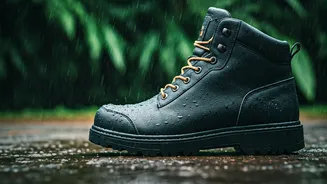
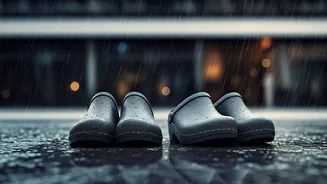
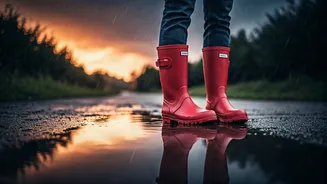
Your first line of defence against puddles and slippery paths is your footwear. The wrong choice—like absorbent canvas sneakers or precious leather loafers—can lead to ruined shoes and uncomfortable, water-logged commutes. [21] The golden rules for monsoon
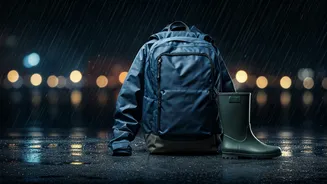
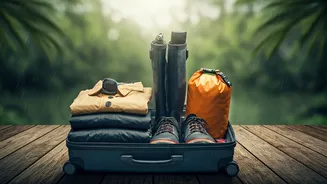
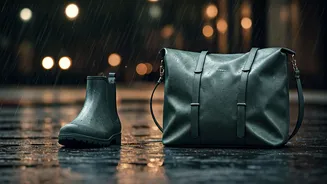
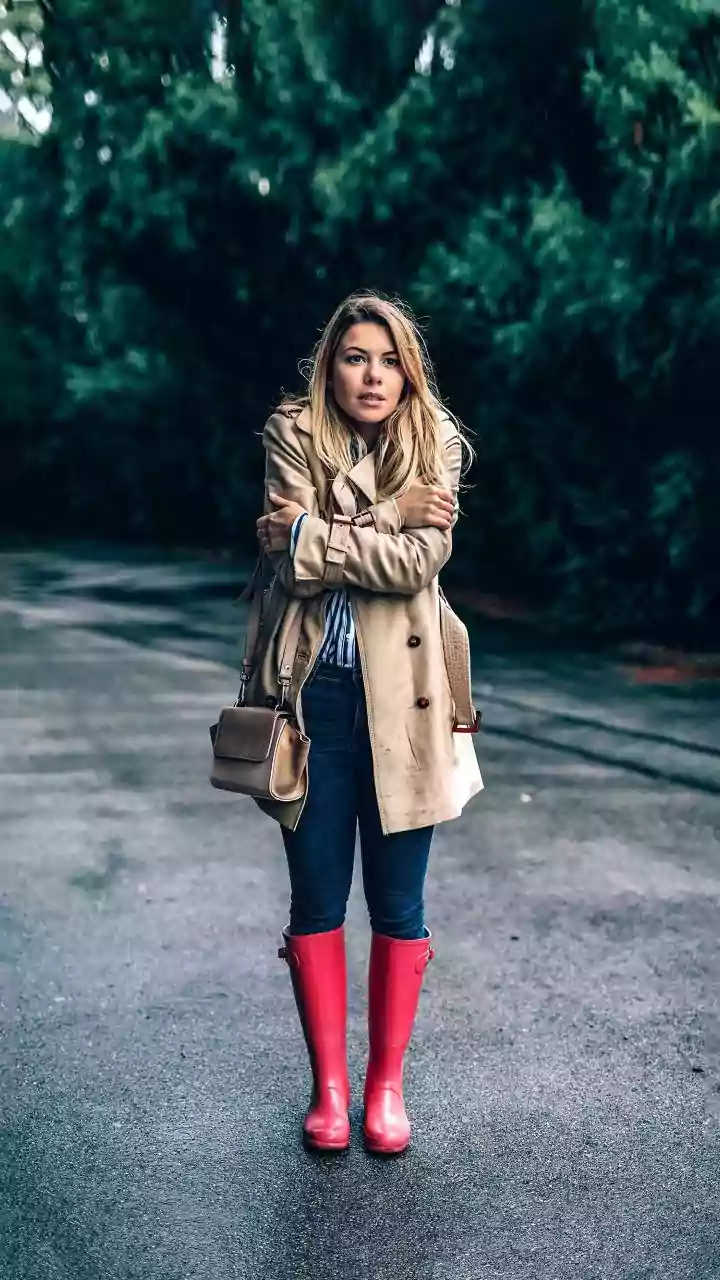
footwear are water resistance, anti-slip soles, and a quick-drying design. [3, 5] Look for materials like rubber, PVC, or EVA (Ethylene Vinyl Acetate), which are waterproof and easy to clean. [3, 5] Styles like rubber slides, floaters, and clogs are excellent because they offer great grip and allow water to drain easily. [5, 16] For those who need more coverage, waterproof sneakers with a breathable lining or classic gumboots are reliable choices. [3] A deep grip pattern on the outsole is non-negotiable to prevent slips on slick surfaces. [3] While open-toed shoes seem intuitive, closed-toe footwear provides better protection from muddy, debris-filled water. [21] Whatever you choose, ensure it's lightweight, as water-soaked shoes add significant fatigue to your walk. [3, 21]
The Carry-All: Choosing a Weatherproof Bag
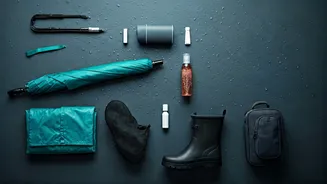
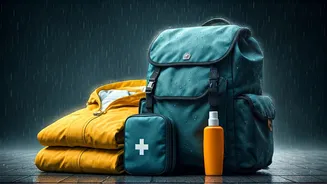
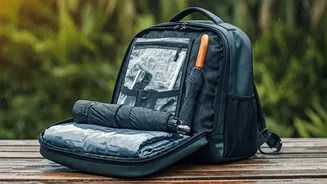
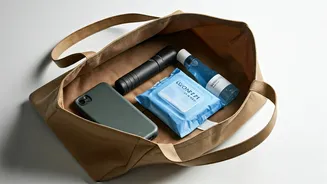
A sudden downpour can be catastrophic for your laptop, phone, and other essentials if your bag isn't up to the task. During the monsoon, your bag transitions from a style accessory to critical protective gear. Materials are everything. Ditch the leather and suede, which can stain and develop fungus, in favour of waterproof or highly water-resistant options like nylon, polyester, and coated canvas. [10] For daily commuters carrying electronics, a backpack with an IPX6 or higher waterproof rating is a wise investment, as it can handle sustained heavy rain. [14] Many modern waterproof bags feature roll-top closures, which are far more effective at keeping water out than standard zippers. [14] If a fully waterproof bag isn't in your budget, consider using waterproof inner liners or even simple Ziplock pouches for your most sensitive items. [10, 18] In terms of style, crossbody bags keep your hands free for an umbrella, while dark-coloured totes are better at hiding mud splashes and watermarks. [10]
The Strategy: Mastering Monsoon Layering
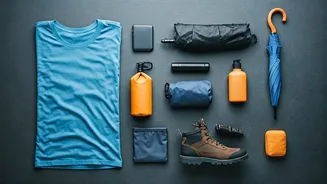
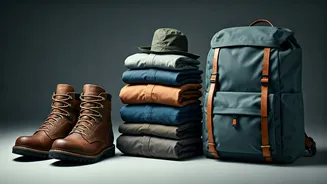
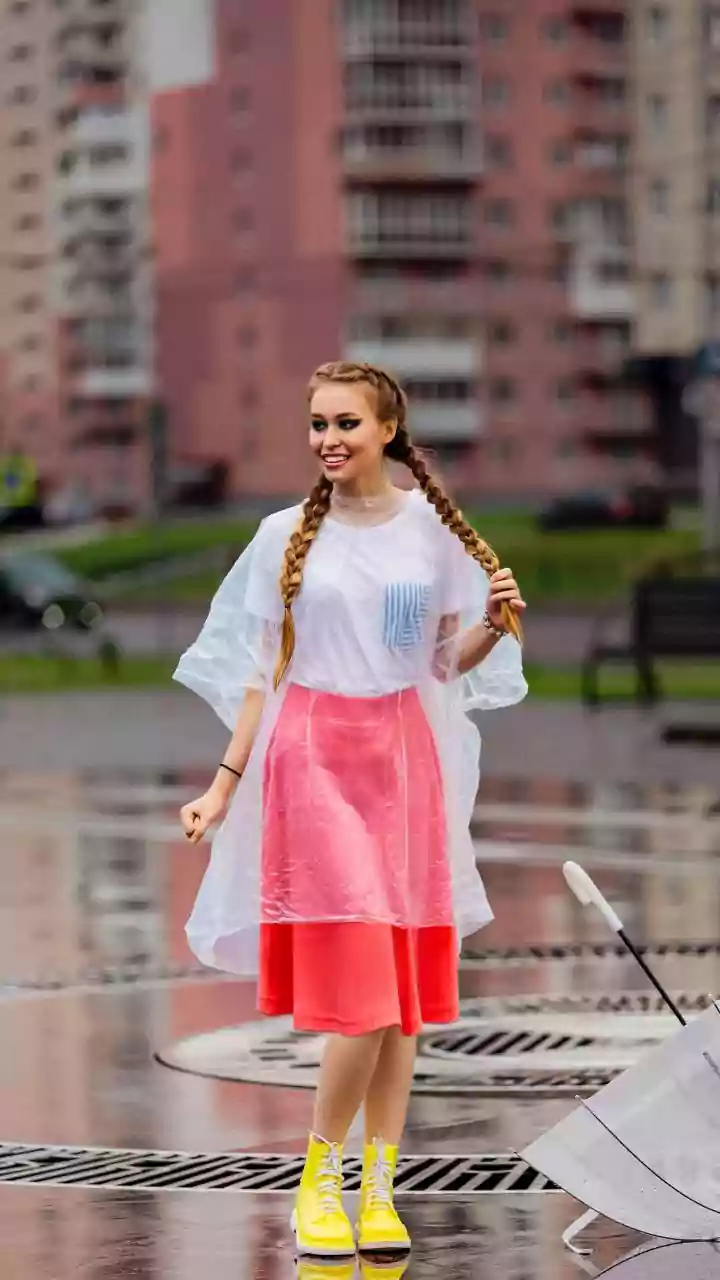
The challenge of monsoon dressing is balancing protection from rain with breathability in high humidity. The key is smart layering with the right fabrics. [6] Heavy fabrics like denim and thick cotton are your worst enemies; they absorb moisture, become heavy, and take ages to dry. [11, 15] Instead, build your outfit around lightweight, quick-drying materials. [8] Your base layer, which is closest to your skin, should be made of moisture-wicking fabrics like cotton blends, rayon, or technical synthetics that pull sweat away from your body. [2, 8] For a mid-layer, think of a light shrug, an open overshirt, or a thin jacket that can be easily added or removed as the temperature changes. [2, 11] Avoid bulky sweaters; the goal is to trap a little warmth without creating a humid microclimate. Your outermost layer should be a breathable raincoat or windbreaker that repels water while allowing heat and moisture to escape. [2] Finally, consider your hemlines. Opt for cropped trousers, culottes, or midi dresses to avoid dragging your clothes through muddy water. [9, 11, 15]
Fabric Focus: Your Monsoon Wardrobe Heroes
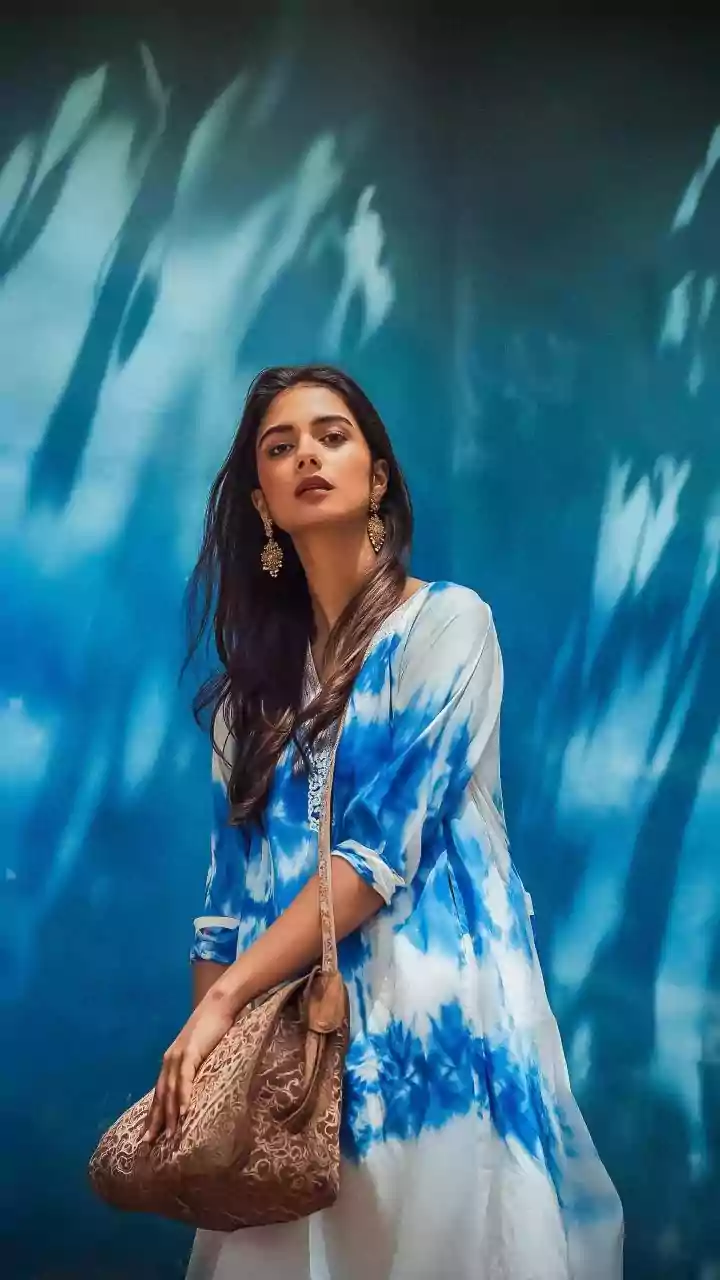
Understanding fabrics is the secret to staying comfortable. While 100% cotton is often seen as a summer staple, it can retain moisture in humid conditions, making cotton blends a better choice. [7, 19] Rayon, modal, and lyocell are excellent for the Indian monsoon; they are breathable, dry faster than cotton, and have a soft, comfortable drape that doesn't cling to the skin. [9, 15, 19] Linen is another strong contender due to its exceptional breathability and quick-drying nature, though its tendency to wrinkle is a factor to consider. [7, 22] For active days or for those who commute by foot, performance fabrics, often polyester blends, offer superior moisture-wicking and quick-dry capabilities. [12, 23] When choosing colours, brighter shades can lift the gloomy mood of a grey day, but darker tones or busy prints are more practical as they are better at camouflaging potential water stains or mud splashes. [9, 13]