





An Immunity-First Approach
The monsoon season, while beautiful, brings a higher risk of infections and a general feeling of sluggishness. The humidity can weaken our digestive fire, or 'Agni', as described in Ayurveda. This is where seasonal produce comes in. Nature cleverly provides
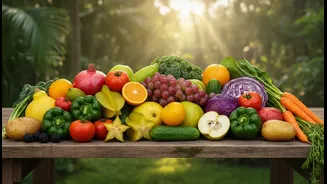
fruits and vegetables rich in vitamins, especially Vitamin C, and antioxidants precisely when our immune systems need a boost. Foods that grow during this time are naturally equipped to help the body fight off common colds, flu, and other seasonal ailments. Eating seasonally is the easiest and most natural way to fortify your body's defences.
The Vegetable Bounty of the Rains
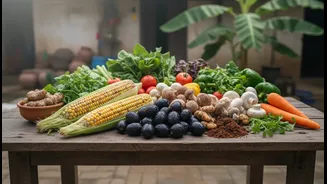
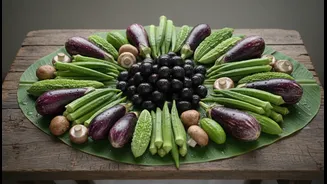
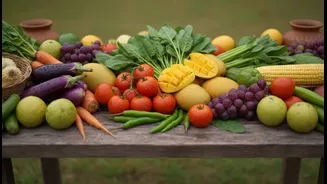
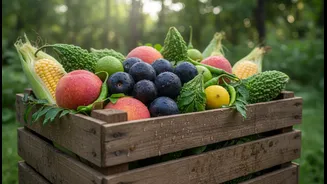
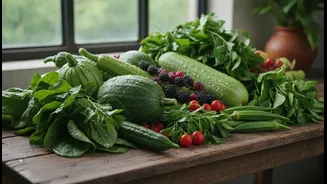
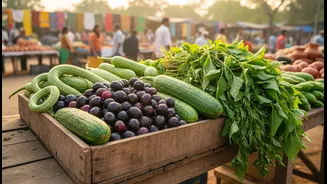
The monsoon vegetable basket is wonderfully diverse and perfectly suited for the climate. Gourds like bottle gourd (lauki), ridge gourd (turai), and bitter gourd (karela) are light, easy to digest, and hydrating. Bitter vegetables, in particular, are traditionally consumed during this season to support liver function and immunity. Other monsoon stars include okra (bhindi), cluster beans (gawar), and corn. Traditional wisdom suggests opting for cooked meals over raw salads, as cooking helps eliminate potential contaminants that thrive in the damp weather. A warm, freshly prepared meal of dal and seasonal sabzi is not just comforting but also a scientifically sound choice for monsoon wellness.
Fruits That Define the Season
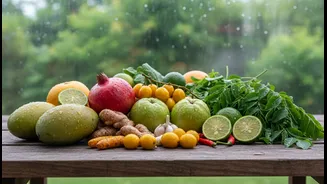
The rainy season also brings a delightful array of fruits. Jamun, with its deep purple hue, is a low-calorie favourite packed with iron, potassium, and antioxidants that help manage digestion and blood sugar. Pears, another monsoon staple, are high in fibre and Vitamin C, making them an excellent snack for maintaining digestive health and immunity. Luscious peaches, plums, and cherries also make their appearance, offering a burst of flavour and potent nutrients. Even some late-harvest mango varieties continue to delight. These fruits are not only delicious but also provide the exact nutrients our bodies need to cope with the humid climate.
Ayurveda and Modern Science in Agreement
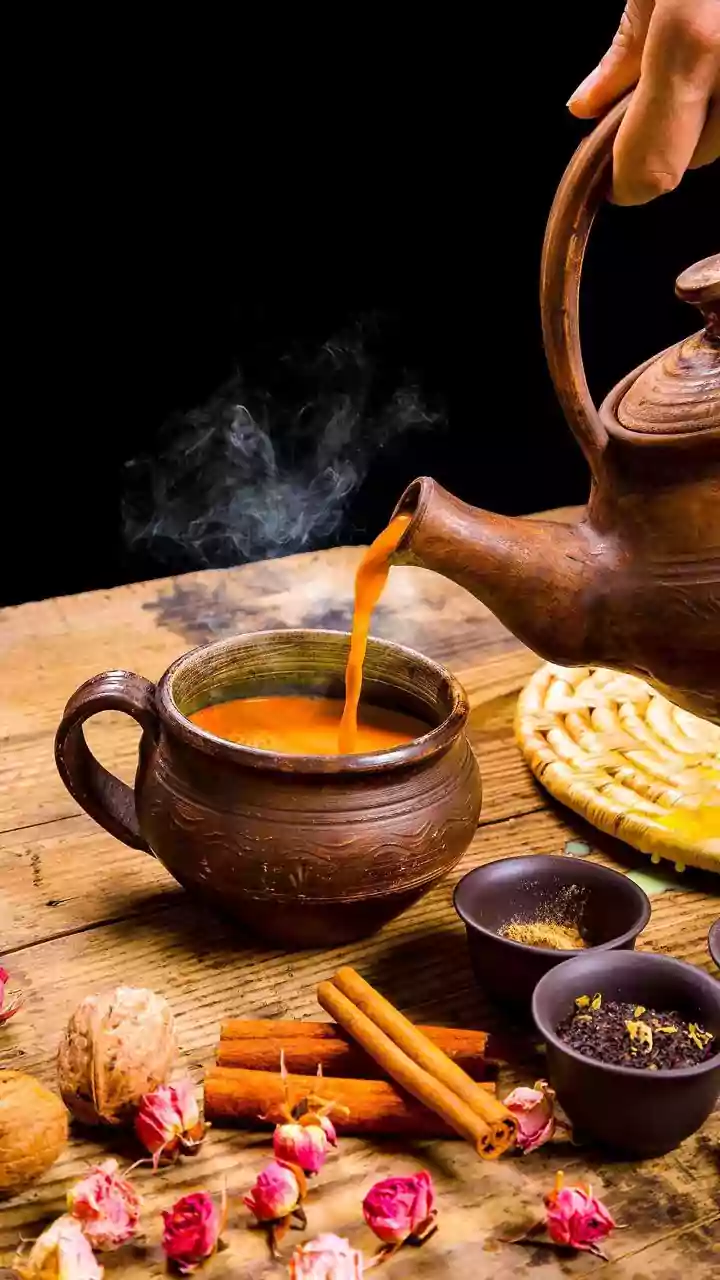
For centuries, Ayurveda has advocated for a 'Varsha Ritu' (monsoon season) diet that is warm, light, and freshly cooked. This ancient science recommends avoiding heavy, fried, and cold foods that can tax a weakened digestive system. Spices like ginger, turmeric, and black pepper are encouraged for their digestive and antimicrobial properties. Modern nutrition echoes this advice. Fresh, local, and seasonal produce has a higher nutrient density compared to produce that has been transported over long distances or grown out of season. Eating what grows naturally in the monsoon means you are consuming food at its peak freshness and nutritional value, a principle that both tradition and science endorse.
More Flavour, Better Value
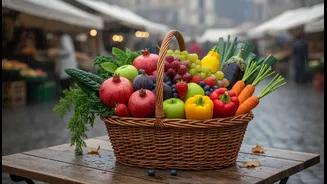
Beyond the health benefits, there is a simple, practical reason why seasonal produce remains a favourite: it just tastes better and is more affordable. When fruits and vegetables are harvested in their natural season, they are at their flavourful peak. A monsoon-grown corn cob is sweeter, and a jamun is juicier. Because the supply is abundant, seasonal produce is also lighter on the wallet. By choosing to eat seasonally, you are not only nourishing your body but also supporting local farmers and enjoying the best flavours that the Indian monsoon has to offer.